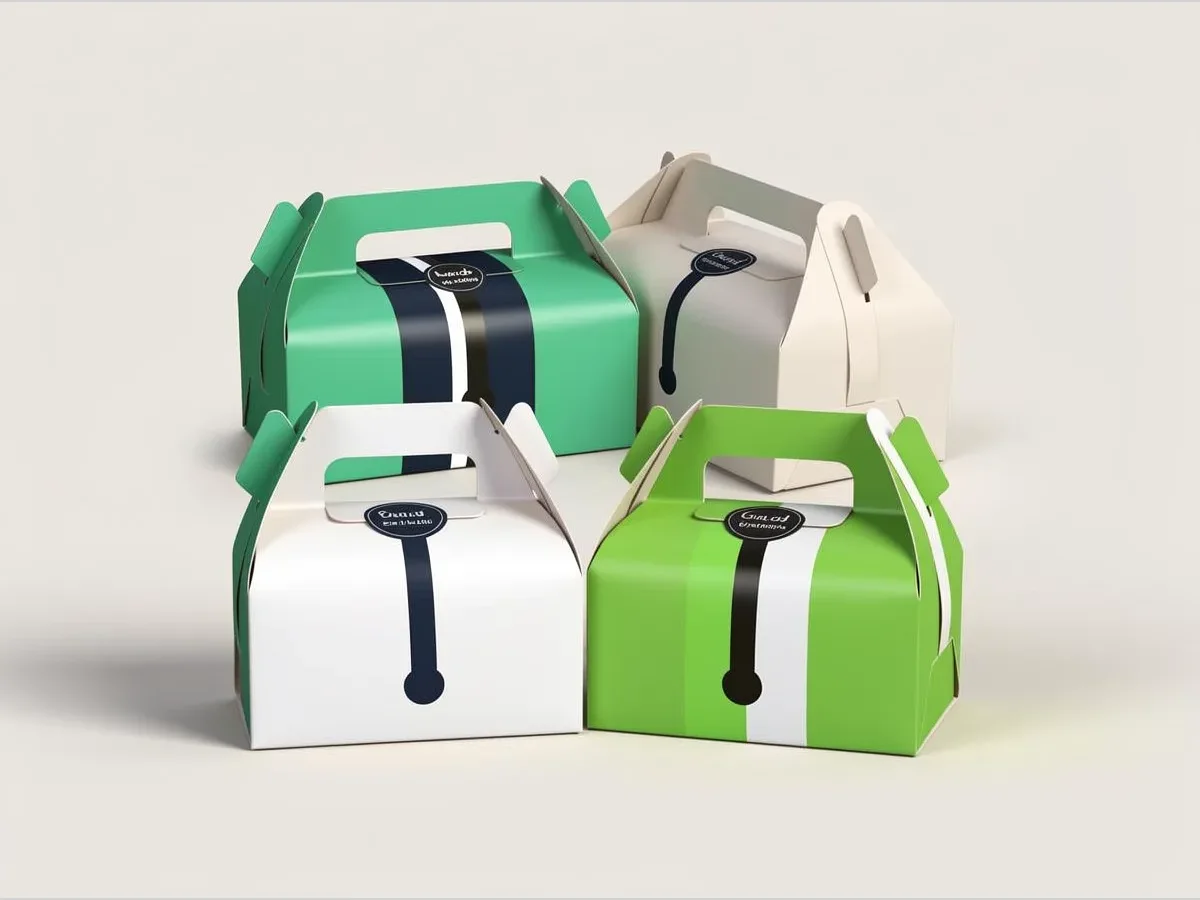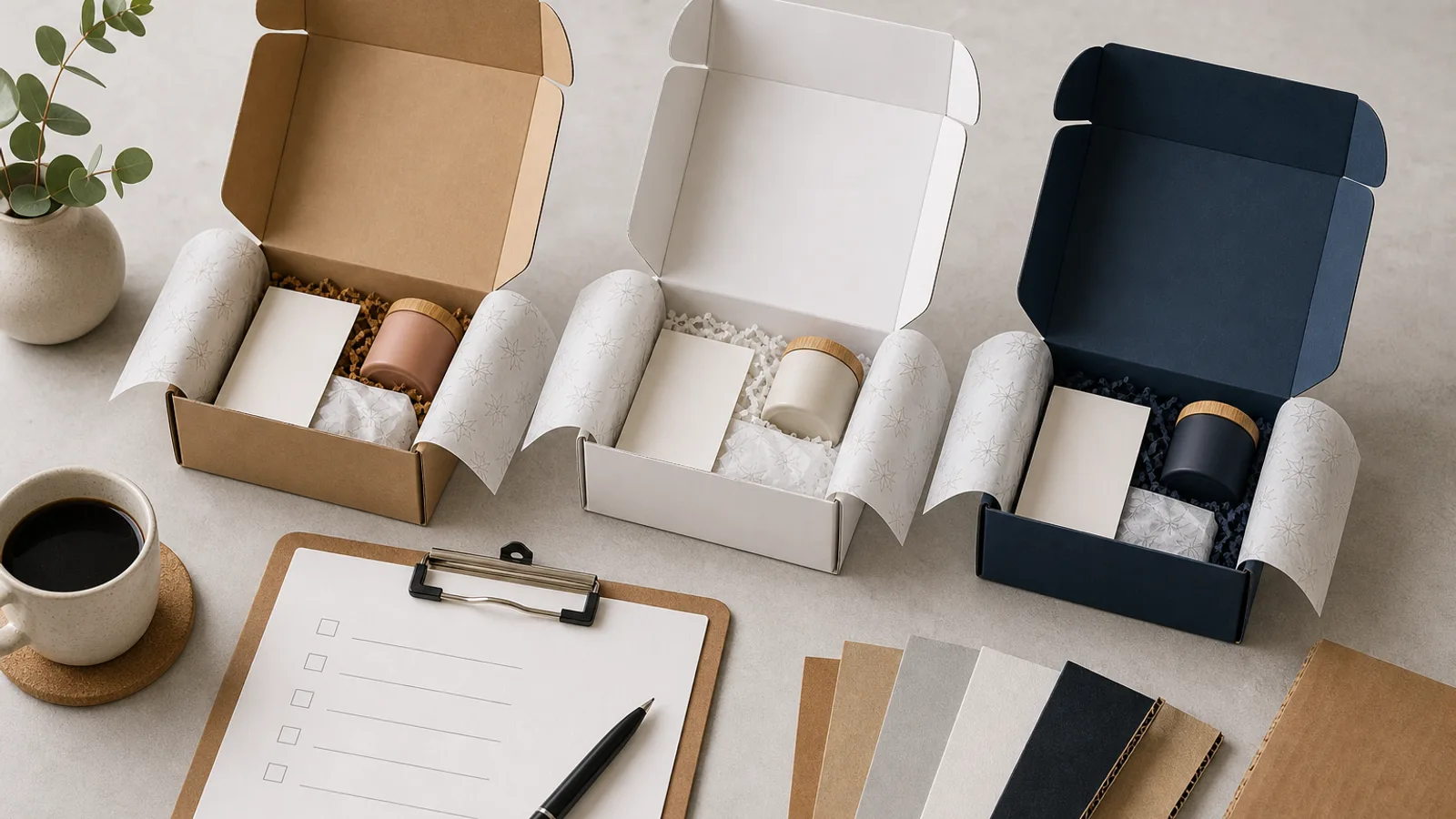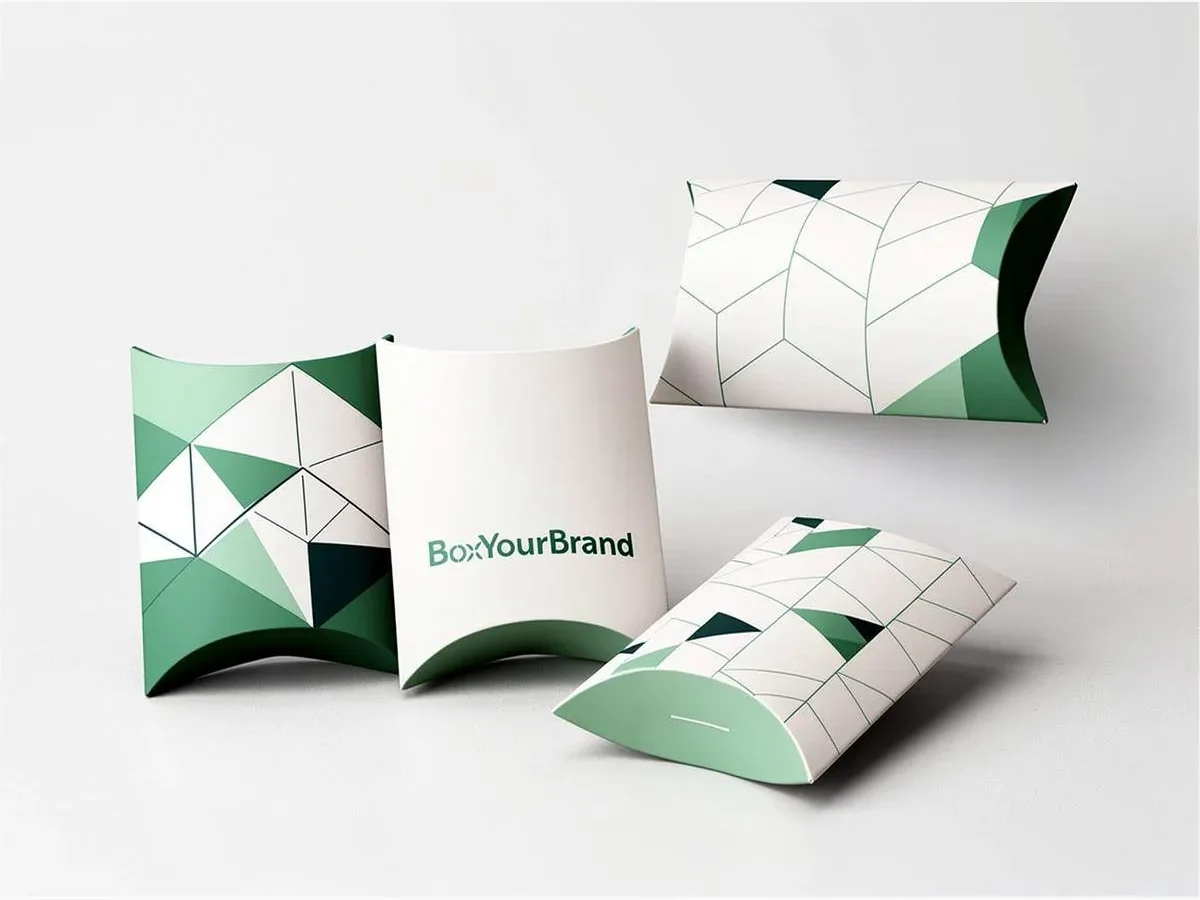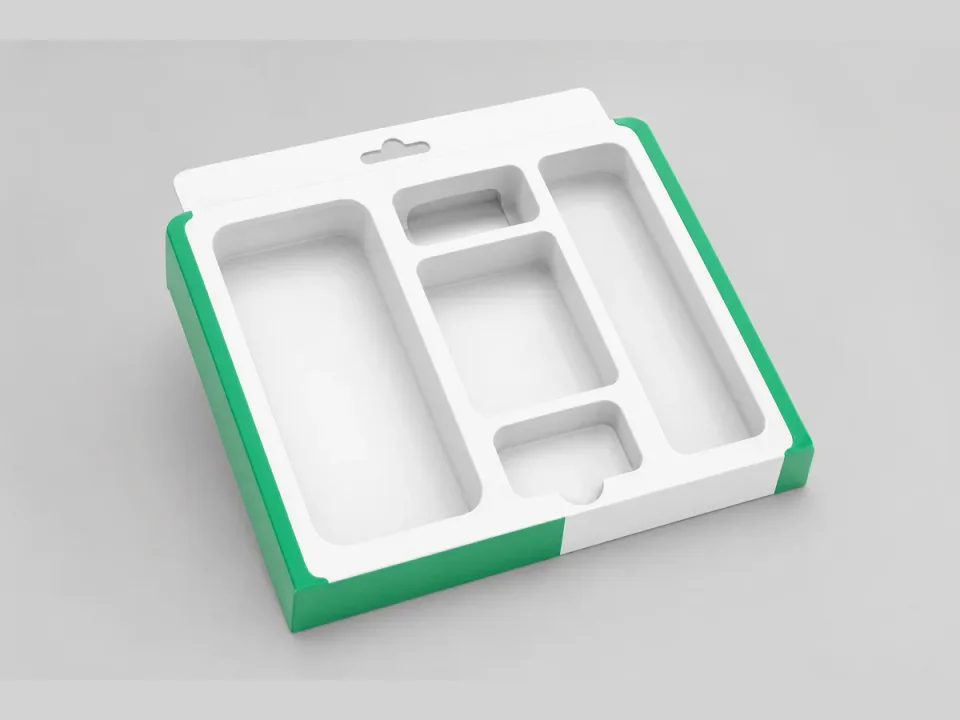
Kits fail in the cart when bottles tip and accessories migrate. Product packaging trays exist to lock parts in place — paperboard, molded pulp, or thermoform — whether the tray sits under a sleeve, inside a rigid gift box, or in a corrugated shipper.
This guide covers material choice and briefing for custom packaging trays. Pair with custom inserts, the dividers guide, and electronics packaging for high-fragility programs. When the outer carton still needs sizing, use the box size calculator.
Key takeaways
- Pick material by cavity tolerance and sustainability goals.
- Quote tray + lid/sleeve together when they mate.
- Nesting saves warehouse cube — engineer it deliberately.
- Paperboard trays can be structural-only or printed billboards.
- Sample with real components before tooling full volume.
- Pilot MOQs often start around 50–249 depending on process.
Material decision table: paperboard vs pulp vs thermoform
| Material | Wins when | Watch-outs | Typical programs |
|---|---|---|---|
| Paperboard tray | Printable flanges, dry cosmetics, confectionery kits, moderate cavities | Not for snap-fit micron tolerances | Beauty kits, chocolate assortments |
| Corrugated tray | Heavier multipacks, retail replenishment strength | Coarser cavities | Club multipacks, beverage carriers adjacent |
| Molded pulp | Eco story, bottle cradles, natural look | Color/print limits; moisture | DTC bottles, sustainable kits |
| Thermoform PET / rPET | Sub-mm snap cavities, clear product view | Plastic claims; tooling | Electronics accessories, precise cosmetics |
| Display / window tray | Shelf presentation + organization | Visibility vs protection balance | Counter beauty and confectionery |
Rule of thumb: if parts must click into place with tight registration, start thermoform. If the brand story is fiber-first and cavities are generous, start paperboard or pulp. Confirm recyclability language with the recyclable packaging guide.
Kit examples by industry
Cosmetics and beauty
Serum + dropper + wipe kits need separate cavities so glass does not kiss glass. Paperboard trays under a branded sleeve keep unit cost down; thermoform when the dropper must snap. See cosmetics packaging for category norms.
Confectionery
Assorted chocolates use shallow paperboard or thermoform cavities so pieces do not scuff. Share piece count and tallest height so flange depth is right.
Electronics accessories
Cables, dongles, and small devices often need thermoform or foam-adjacent inserts. Start from electronics packaging and custom inserts when fragility is high.
Nesting and retail replenishment
Nesting trays reduce warehouse cube and speed shelf replenishment — but over-aggressive nest angles can lock trays together or crush flanges.
Brief:
- Pack-out count per carton
- Max nest height in the shipper
- Whether associates pull trays singly or as stacks
- Retail planogram facing (see planogram display packaging when trays are shelf-ready)
Tray + sleeve / carton pairs
Gift and kit programs rarely sell a bare tray. Common pairs:
- Tray + custom printed sleeve
- Tray + folding carton or rigid lid
- Tray inside corrugated shipper for wholesale
Quote the pair together so length/width tolerances match. For paperboard sleeves vs stretch film multipacks, see paperboard sleeves vs stretch & LLDPE film and the custom sleeve boxes guide.
Outer carton sizing still benefits from the box size calculator when you know tray footprint + lid height.
Tolerance and cavity briefing tips
- List every component footprint and height (include caps and nozzles).
- Mark which parts must not touch.
- State critical tolerances in mm when snap-fit matters.
- Attach photos or drawings — CAD helps, phone photos beat nothing.
- Choose paperboard/pulp vs thermoform by tolerance.
- Decide visible print vs sleeve-covered structure.
- Plan nest height and retail replenishment.
- Align sustainability claims with plastic vs fiber.
Tray types quick reference
| Type | Best for | Notes |
|---|---|---|
| Paperboard tray | Cosmetics, food kits, retail | Printable flanges |
| Corrugated tray | Heavier multipacks | Strength + cost balance |
| Molded pulp | Eco inserts, bottles | Natural look |
| Thermoform PET/rPET | Tight snap cavities | Higher precision |
| Display / window tray | Shelf presentation | Visibility + organization |
Quote checklist
Component list with dimensions, cavity criticality, material preference, lid/sleeve pair, print needs, nesting, quantity tiers, industry (beauty/food/electronics), in-hands date, sample yes/no.
Order packaging tray samples whenever cavities lock products, or request a free packaging quote. Electronics programs can also start from the electronics packaging hub.
Buyer mistakes
- Quoting “a tray for our kit” with no component list
- Choosing kraft pulp for a snap-fit that needs thermoform
- Ordering sleeves separately with mismatched tolerances
- Ignoring nest lock-up until warehouse day
- Skipping samples on first cavity tooling
Common questions
Cosmetics vs confectionery materials?
Fiber trays for many dry kits; thermoform for ultra-precise cavities.
Nesting?
Yes — specify pack-out counts and max nest height.
Sleeve pairs?
Quote together for fit; see custom printed sleeves.
Print?
Direct print on flanges/walls, or unprinted structure under a branded sleeve.
Conclusion
Custom packaging trays turn kits into organized products. Choose material from the table, brief cavities from real parts, sample fit, then get a free quote.