Skip to content

Other Products

Custom Packaging Stickers And Labels

Custom stickers and labels for cartons, jars, and mailers — roll or sheet formats, durable adhesives, and barcode-ready panels with full-color brand print.
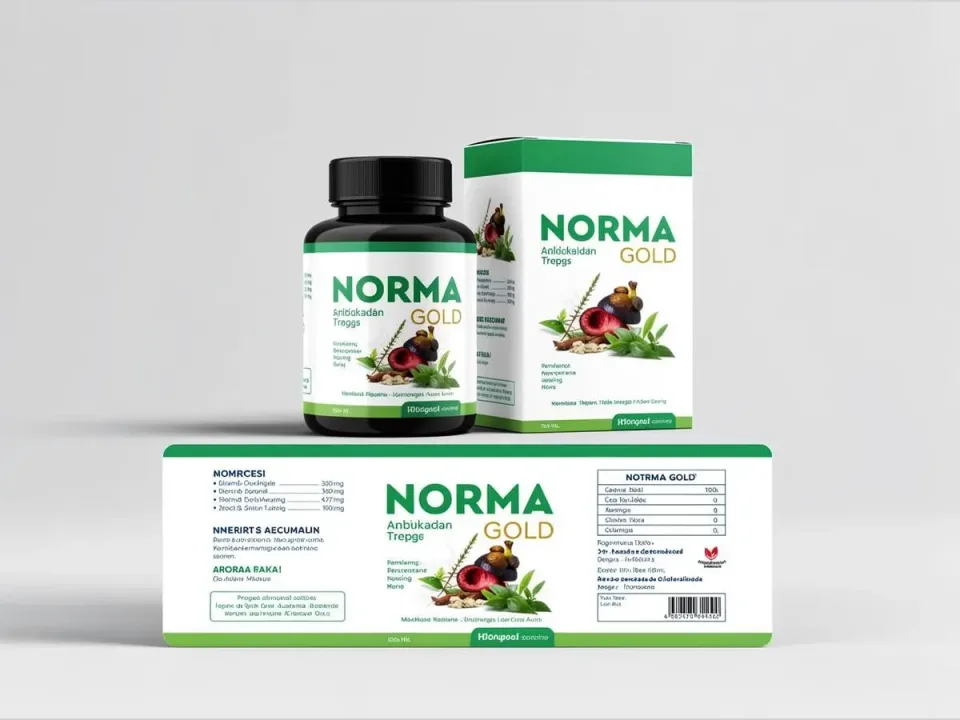
custom packaging stickers and labels printed with brand logo

Technical Specifications for Custom Packaging Stickers And Labels

Stock
Paper, PP, PE, or specialty films
Adhesive
Permanent, removable, or freezer-grade
Print
Full CMYK + spot colors, digital or flexo
Turnaround
8–12 business days standard

Materials

  • Coated paper label stock
  • Polypropylene film
  • Polyethylene film
  • Clear and metallic films

Print & Finishing

  • Full CMYK
  • Spot color
  • White ink underlay
  • Die-cut shapes

Available Styles

  • Product Labels
  • Shipping Labels
  • Seal Stickers
  • Roll Labels
  • Sheet Labels

What Are Custom Stickers and Labels?

Custom stickers and labels are pressure-sensitive printed pieces — die-cut stickers, roll labels, sheet labels, and seals — produced to your artwork, shape, and adhesive spec rather than pulled from a stock catalog. They are the fastest, cheapest way to put a brand on packaging you did not print directly, and the standard way to carry regulatory copy on jars, bottles, and pouches.
BoxYourBrand produces custom stickers and labels for product labeling, carton seals, shipping identification, and promotional drops. Facestocks span coated paper, polypropylene, polyethylene, clear film, and metallic and holographic films; adhesives run from permanent and high-tack to removable and freezer-grade.

What brands use custom packaging labels for:

  • Primary product labeling — Jar labels, bottle labels, and pouch labels carrying brand art plus ingredient and regulatory panels
  • Box and mailer branding — Logo seals that turn plain kraft boxes into branded packaging at a fraction of custom-print cost
  • Tamper evidence and security — Seal stickers and custom hologram stickers that show when a pack has been opened
  • Variable data — Barcodes, batch codes, and SKU identifiers printed alongside consistent brand frames
  • Promotions — Personalized stickers in bulk for inserts, events, and community marketing
Labels do their best work as a system with the packaging underneath. Brands running plain kraft boxes or stock mailer boxes often get to a fully branded unboxing with nothing more than a well-placed seal sticker and a printed insert.

Custom Sticker and Label Styles

The format decision — die-cut sticker, kiss-cut sheet, or roll label — is really a decision about how the piece will be applied. Hand application at a small pack station favors sheets and singles; machine or high-volume hand application favors rolls.
StyleBest forApplication notes
Die-cut stickersLogo seals, promo handouts, custom window stickersCut through backing to the exact shape; premium hand-out feel
Kiss-cut sheet labelsSmall-batch product lines, multi-SKU sheetsPeel from a shared backing sheet; easy hand apply
Roll labels / sticker rollsJars, bottles, pouches at volumeCompatible with semi-auto and automatic applicators
Clear film labelsGlass jars and bottles, "no-label" lookWhite ink underlay keeps art opaque where needed
Custom hologram stickersTamper evidence, authenticity, limited dropsMetallic and holographic films; strong security signal
Seal / closure stickersBox lids, tissue wrap, bagsRound or oval seals; removable adhesive available
Shipping and barcode labelsFulfillment, cartons, pallet identificationVariable data; scannable low-ink zones
If you are unsure whether a job calls for a sticker or a printed label, the working distinction is simple: stickers are brand pieces applied for effect, labels carry information the pack must display. The custom packaging stickers and labels guide walks through when to use each on boxes and mailers.
Roll labels are the default once volume passes a few thousand units per SKU. Rolls feed applicators cleanly, keep unit cost down, and hold registration between the die cut and the print — which matters when your label has a border.

Sticker and Label Sizes

Size the label to the container panel, not the artwork. A label needs flat (or evenly curved) surface under its entire footprint — labels that bridge a shoulder curve or a mold seam will lift at the edges within days.
SizeCommon useNotes
1 × 1" – 1.5 × 1.5"Seal dots, batch codes, price pointsMinimum practical size for a legible logo
2 × 2" round or squareJar lids, box seals, candle labelsThe workhorse seal format
3 × 2" – 4 × 2"Bottle labels, front-panel product labelsFits most 4–16 oz bottles and jars
4 × 3" – 5 × 4"Wrap labels, pouch panels, large jarsCheck panel flatness before committing
4 × 6"Shipping labels, carton identificationStandard thermal-size footprint
Custom die-cutLogo-shaped stickers, window graphicsQuoted per shape; sharp interior corners add cost
For wrap-around bottle labels, measure circumference and decide whether the label wraps fully (ends overlap) or partially (a gap at the back). Full wraps hide misalignment; partial wraps demand straighter application. For tapered containers, the label must be die-cut with a curve to sit flat — send container samples and we will template it.
If the label carries regulatory copy — ingredients, net weight, warnings — check the minimum type sizes your category requires before shrinking the label to fit a small jar. It is cheaper to move to a wrap label than to reprint after a compliance review.

Label Materials and Adhesives

Most label failures are adhesive failures — the facestock survives, but the label lifts, wrinkles, or slides because the adhesive was wrong for the surface, temperature, or moisture exposure. Spec the environment first and the material follows.

Facestock options:

  • Coated paper — Economical, excellent print; best for dry indoor use on cartons and boxes
  • Polypropylene (PP) film — Waterproof and oil-resistant; the default for bathroom, kitchen, and cold-chain products
  • Polyethylene (PE) film — Flexible; conforms to squeezable bottles and tubes
  • Clear film — The no-label look on glass; pair with white ink underlay for opaque art
  • Metallic and holographic films — Foil-look brand marks and custom hologram stickers for security and limited editions
  • Kraft label stock — Natural look for candles, food, and eco-positioned brands

Adhesive options:

  • Permanent — Standard for product labels; tears the facestock before releasing
  • High-tack — Textured kraft, low-energy plastics, and soft-touch laminated boxes
  • Removable — Promotions, price stickers, and seals meant to peel clean
  • Freezer-grade — Applies and holds below 0°F for frozen and cold-chain SKUs
Two surfaces catch brands out repeatedly: soft-touch laminate (a low-energy surface that sheds standard adhesives) and candle vessels (which cycle warm every burn). Labels for candles should combine an oil-tolerant adhesive with a facestock that will not yellow near heat — a spec we run constantly for candle makers ordering candle boxes and custom candle labels together. The custom candle packaging guide covers the pairing in detail.

Printing and Finishes for Custom Stickers

Sticker and label print is digital at launch volumes and flexo at scale, with finishes doing much of the brand work. Because labels are small, finish choices read disproportionately — a matte laminate or a foil accent changes the perceived price of the product underneath.

Print and finish options:

  • Full CMYK digital — No plates; economical for personalized stickers in bulk across many designs
  • Flexo with spot color — Exact Pantone matching at high roll volumes
  • White ink underlay — Keeps color true on clear, kraft, and metallic stocks
  • Gloss, matte, and soft-touch laminate — Scuff protection plus surface feel
  • Spot UV and foil — Raised or metallic accents on logo marks
  • Variable data — Sequential barcodes, QR codes, batch and lot codes in the same run
Barcode zones need a flat, low-ink area with strong contrast — dark bars on light ground, never reversed out of a photo. If your label carries a scannable code, we flag contrast and quiet-zone problems at proof stage. For placement rules across the whole parcel — shipping label, brand seal, and hang tag working together — see how to label a package.
Artwork setup matters more on labels than on boxes because the die cut sits so close to the art. Keep text 1/16" inside the cut line, extend backgrounds 1/8" past it, and convert fonts to outlines. The packaging artwork guide covers file setup if your designer has not built label dielines before.

MOQ and Pricing for Stickers and Labels in Bulk

Labels are among the lowest-commitment custom packaging you can buy — digital print keeps launch MOQs low, and unit cost falls steeply with volume because material cost per label is tiny.

Program structure:

  • MOQ — 50–249 units on many die-cut and sheet formats; practical for a single product test
  • Volume tiers — Meaningful per-unit breaks at 250–999 and 1,000+ units; roll formats improve fastest with quantity
  • Production — 8–12 day standard turnaround; 3–5 day rush available
  • Reorders — Approved dies and art stay on file; repeat runs skip setup
  • Multi-design runs — Digital print allows several designs in one order without separate plate costs
The cost drivers worth knowing: shape complexity (sharp interior corners and intricate die cuts cost more than rounded shapes), laminate (adds a pass), and specialty films (holographic and metallic stocks carry a material premium). Quantity is the biggest lever by far — personalized stickers in bulk at 5,000 units often cost a third of the 500-unit rate per piece.
When you request a stickers and labels quote, include the surface you are applying to, indoor/outdoor exposure, and whether you apply by hand or machine. Those three inputs set facestock, adhesive, and roll orientation faster than anything else.
Order samples ($25, credited toward your first order) with your actual container if adhesion is uncertain — a label that grips a test bench can still lift from a powder-coated tin.

Where Custom Packaging Labels Earn Their Keep

The highest-ROI label programs share one trait: the label replaces a more expensive piece of custom packaging.

Common programs by industry:

  • Food and beverage — Jar labels and bottle labels printing with ingredient panels; freezer-grade adhesives for cold chain
  • Beauty and personal care — Waterproof PP labels for bathroom exposure; variable shade names on a shared brand frame
  • Candles and home fragrance — Heat-tolerant labels for vessels plus matching box seals
  • Ecommerce and DTC — Logo seals on stock boxes, branded tape alternatives, thank-you stickers in the parcel
  • Retail and CPG — Barcode and compliance labels, promotional violators, custom window stickers for storefronts
For a small brand, the label-first strategy is often the right sequencing: launch with stock packaging plus custom labels, prove the product, then graduate to fully printed folding cartons once volume justifies plates. The label budget that carried the launch then shifts to seals and promotional stickers.
Retail brands should also look at the retail and CPG packaging hub — shelf-facing label programs have retailer-specific barcode placement and scan-rate requirements that are cheaper to meet on the first run than the second.

Stickers and Labels vs Hang Tags vs Printed Sleeves

Labels, hang tags, and printed sleeves all add brand and information to a product without printing the primary container — the choice comes down to attachment method and how much surface you need.
FactorStickers & labelsHang tagsPrinted sleeves
AttachmentAdhesive, permanent or removableString or tagging barb, no adhesiveFriction-fit wrap around the product
Surface areaSmall to medium panelsTwo printed facesFull or partial wrap billboard
Best forJars, bottles, box seals, barcodesApparel, textiles, gift itemsBottles, jars, trays, seasonal skins
Unit costLowestLowModerate
Reusable container friendlyRemovable adhesives availableYes, removes cleanlyYes, slides off
Rule of thumb: if the surface takes adhesive and the copy is permanent, use a label. If the product is fabric or the brand piece must detach cleanly, use a hang tag. If you need a large seasonal graphic over a stock container, a custom printed sleeve gives you a full wrap without relabeling.
Many programs combine two: a compliance label on the container plus a hang tag or sleeve carrying the seasonal campaign, so the regulated piece never has to change.

How to Order Custom Stickers and Labels

Label orders move fastest when the application surface is defined before artwork — adhesive and facestock decisions cascade from it.
  1. Define the surface — Container material, curvature, texture, and temperature/moisture exposure.
  2. Pick format — Die-cut singles, kiss-cut sheets, or rolls based on how you apply.
  3. Choose facestock and adhesive — Paper for dry cartons, film for wet or oily environments, specialty films for security and shine.
  4. Set the die line — Shape, corner radius, and safe zones around the cut.
  5. Quote and sampleRequest a quote; order samples to test adhesion on your real container.
  6. Approve proof — Digital proof is free; production starts on approval.
If the label is one part of a larger pack — carton, insert, tissue, seal — quote the pieces together. Color matching across a printed box and its matching label is much easier inside one production thread than across two vendors.

Start Your Custom Stickers and Labels Order

Ready to put your brand on every jar, bottle, and box you ship? Request a free quote with your sizes, quantities, and the surface you are labeling. A specialist responds within two hours with material recommendations and per-unit pricing at your tier.
Still mapping out what goes where on the pack? Start with the stickers and labels guide and how to label a package — then order samples to confirm adhesion before your full run.

Common Uses for Custom Packaging Stickers And Labels

Businesses order custom packaging stickers and labels for the applications below.

Retail branding

Product labeling

Promotional marketing

Event and trade show materials

Stickers & Labels Pricing & Order Quantities

50-249 units

Launch and test tier

250-999 units

Volume discount tier

1,000+ units

Best per-unit pricing

Exact pricing depends on dimensions, material, print, and quantity. Request a free quote for a precise per-unit price.

Industries That Order Stickers & Labels

custom packaging stickers and labels pairs well with stickers and labels wholesale across these verticals.

Guides for Designing Stickers & Labels

Expert guides on custom packaging stickers and labels — sizing, design, materials, and ordering.
packaging stickers vs labels — Custom Packaging Stickers and Labels: When to Use Each on Boxes and Mailers
How-to Guides

Packaging Stickers & Labels Guide

Custom packaging stickers and custom packaging labels — seal stickers, product labels, hang tags, and box stickers compared with MOQs and file setup.
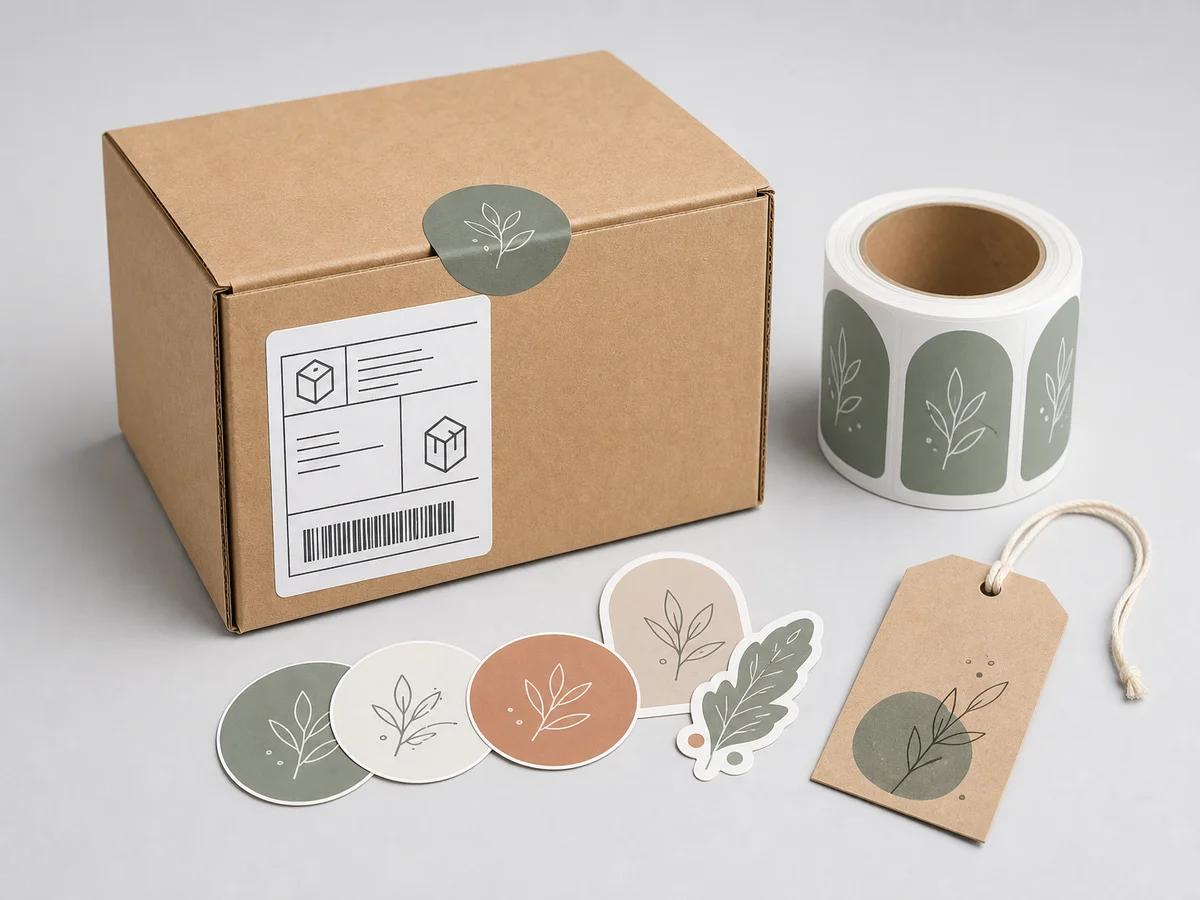
how to label package — How to Label a Package: Shipping Labels, Stickers & Hang Tags
Buying Guide

How to Label a Package Guide

How to label a package for shipping and branding — carrier labels, custom stickers, product labels, and hang tags with placement and MOQ tips.
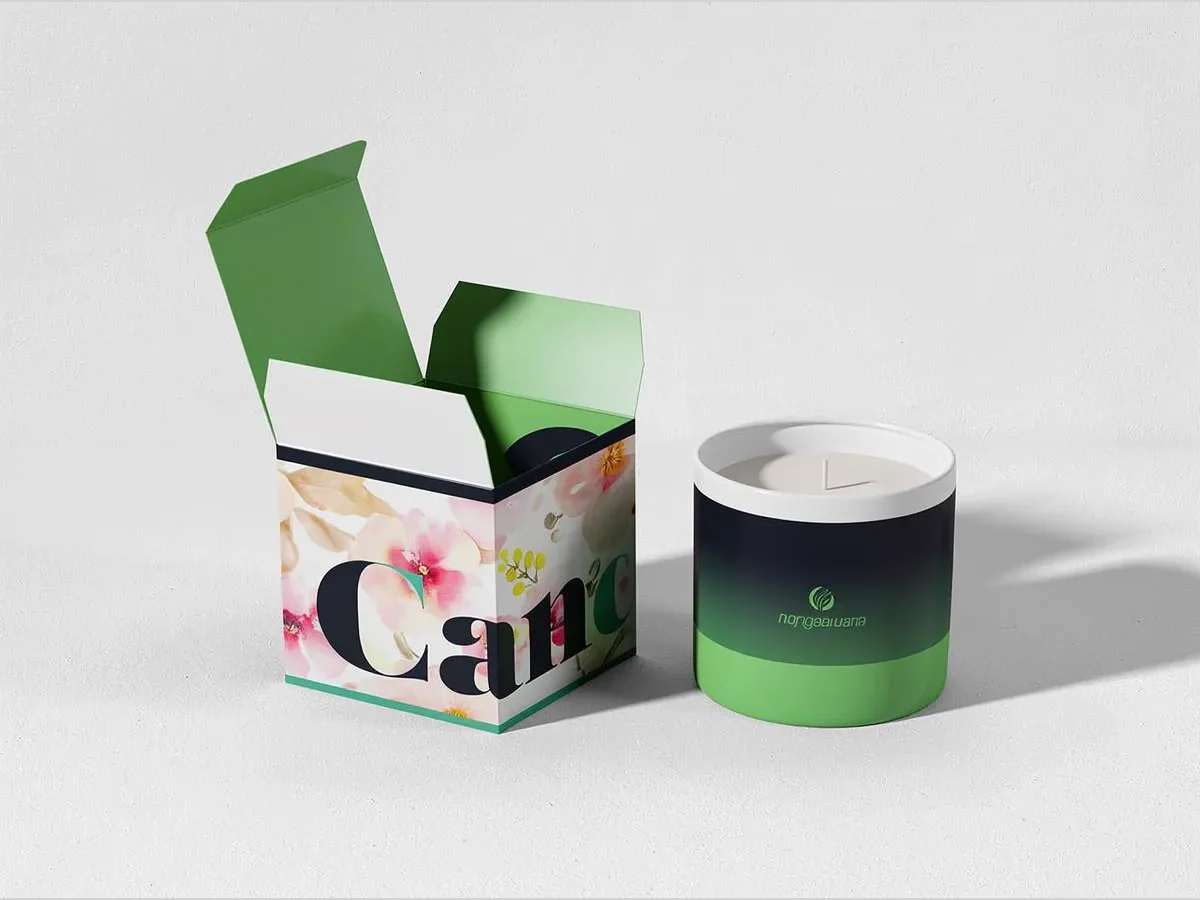
candle packaging — Custom Candle Packaging: Boxes, Labels & Subscription Guide
Buying Guide

Custom Candle Packaging Guide

Custom candle packaging — rigid boxes, tuck cartons, subscription mailers, custom candle labels, and MOQ tiers for candle makers and DTC brands.
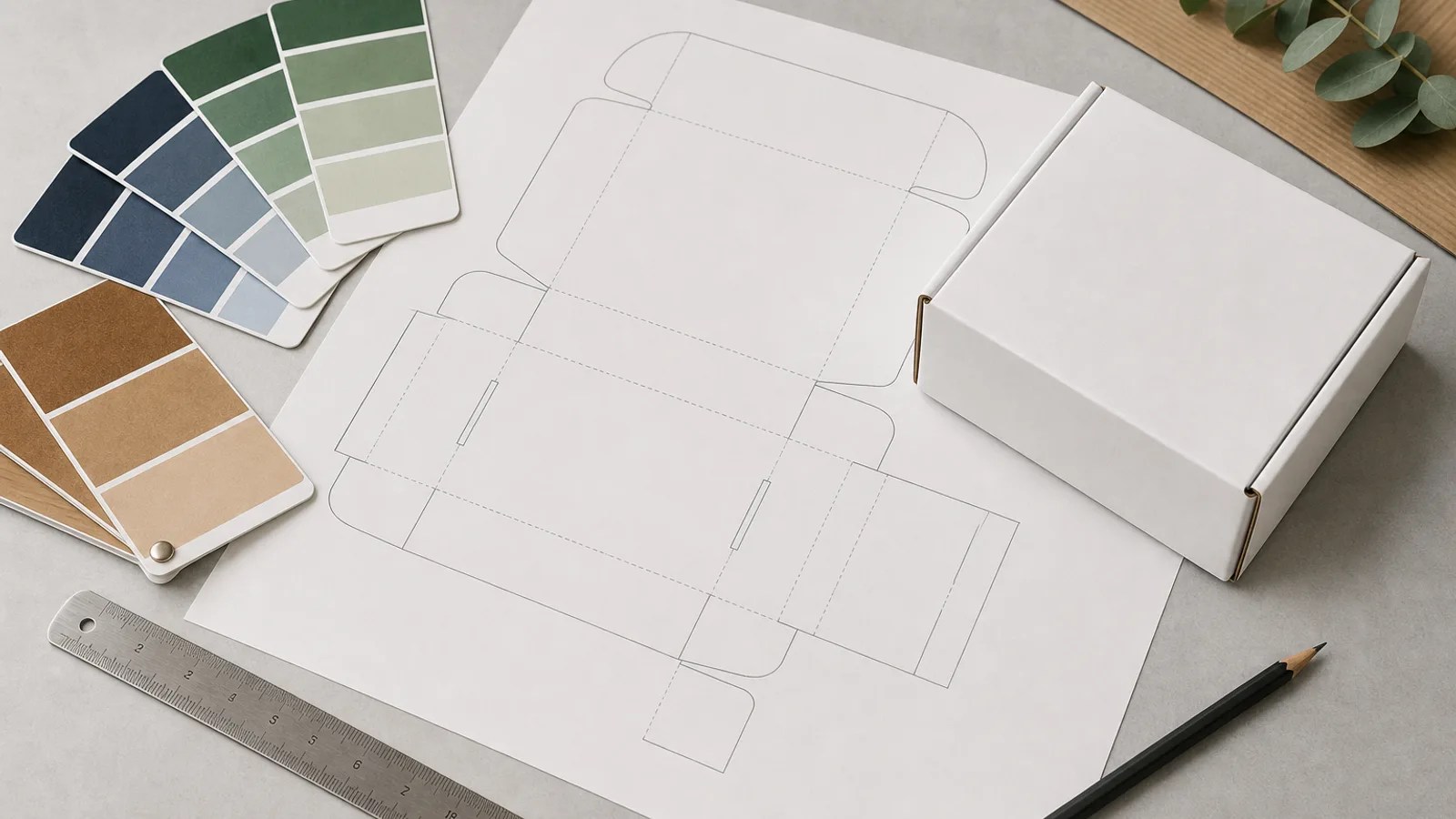
custom packaging design — Custom Packaging Design: Artwork Specs, Dielines & File Setup for Print
Design Tips

Custom Packaging Design Guide

Custom packaging design file requirements — dielines, bleed, color modes, and proof approval steps for mailer boxes, cartons, and retail packaging.

packaging dieline — Custom Packaging Dieline Guide: Templates, Bleed & File Setup
How-to Guides

Custom Packaging Dieline Guide

Custom packaging dielines explained — how to read fold lines, bleed, safety zones, export vector files, and approve proofs before print production.

FAQ

Stickers & Labels Questions

What adhesive should I choose for cold, oily, or textured surfaces?

Freezer-grade, oil-resistant, and high-tack adhesives are spec’d to the container surface—glass, PET, kraft, or soft-touch laminate each behave differently. Send substrate samples if adhesion has failed before.

Can stickers and labels be die-cut into custom shapes?

Yes. Kiss-cut sheets and individual die-cut labels support logos, seals, and irregular shapes. We quote based on shape complexity and whether you need rolls for applicators or sheets for hand apply.

Do you offer waterproof labels for bottles and jars?

Yes. Film facestocks with appropriate adhesives resist moisture in bathrooms and cold chain. Paper labels suit dry secondary packs and carton seals.

Can labels include variable barcodes and batch data?

Yes. Variable print supports barcodes, batch codes, and shade names while brand frames stay consistent. Share data fields and applicator type when quoting.

What finish reduces scuff on high-touch product labels?

Laminate or varnish overprints protect ink on bottles that rub in transit. Soft-touch films need adhesives rated for low-energy surfaces—test if your bottle uses soft-touch coating.

What is the difference between a sticker and a label?

In practice, stickers are brand pieces applied for effect — logo seals, promo handouts, parcel decoration — while labels carry information the pack must display: ingredients, barcodes, batch codes, regulatory copy. They share materials and print methods, so many orders combine both in one run.

What is the MOQ for custom stickers and labels?

Many die-cut and sheet formats start at 50–249 units, which suits a single-product test. Per-unit pricing improves sharply at 250–999 and 1,000+ units, and roll labels get the best economics at volume. Digital print also lets you split one order across several designs.

What are roll labels and when should I use them?

Roll labels (sticker rolls) are labels wound onto a core so they feed through label applicators or dispense quickly by hand. Switch from sheets to rolls once a SKU passes a few thousand labels per run, or as soon as you use any machine application.

What is a die cut sticker?

A die-cut sticker is cut through both the facestock and the backing to follow the artwork outline, so the finished piece is exactly the shape of your design. Kiss-cut stickers, by contrast, cut only the facestock and peel from a larger backing sheet. Die-cut reads more premium in hand; kiss-cut is faster for pack-station application.

Do you print waterproof labels for jars and bottles?

Yes. Polypropylene and polyethylene film facestocks with permanent adhesives resist water, oils, and refrigeration — the standard spec for jar labels, bottle labels, and anything living in a bathroom or kitchen. Paper stocks are reserved for dry cartons and box seals.

Can you print custom hologram stickers for tamper evidence?

Yes. Holographic film facestocks print with your artwork and act as a strong tamper and authenticity signal, since the material is hard to reproduce casually. They are popular for supplement seals, electronics, and limited-edition drops.

What adhesive works on kraft boxes and textured surfaces?

High-tack adhesives are the right call for textured kraft, recycled board, and low-energy surfaces like soft-touch laminate. Standard permanent adhesives can lift from these surfaces within days. Tell us what you are applying to and we spec the adhesive accordingly.

How long does sticker and label production take?

Standard production takes 8–12 business days after proof approval after digital proof approval. Rush production of 3–5 business days is available when quoted. Reorders of approved designs move faster because dies and artwork are already on file.

Can I get label samples before a full order?

Yes. Physical samples are $25, credited toward your first full order, and ship within 5–10 business days. Digital proofs are always free before production.

Products Related to Stickers & Labels

Brands ordering custom packaging stickers and labels often compare these formats before requesting a quote.
Ready to Order Stickers & Labels?

Get a custom quote in minutes. No commitment, no pushy sales calls. Just great packaging at a fair price.

  • Packaging specialists
  • Response within 2 hours
  • No obligation quote