Skip to content

Free shipping tool

DIM Weight Calculator

Use our dimensional weight calculator to compare FedEx, UPS, and USPS DIM weight, volumetric weight, and chargeable weight — then right-size packaging to cut shipping costs.

This dim weight calculator runs entirely in your browser. Enter outer package dimensions and actual weight to see whether carriers will bill on dimensional weight or scale weight. Compare results with our box size calculator.

Package dimensions

Measure the outer shipping box — length × width × height at the longest points.

Weigh the packed parcel on a scale, including all contents and dunnage.

Calculated DIM Weight for Your Carton

Enter package dimensions and actual weight to see cubic volume, volumetric weight, DIM weight, and chargeable weight for FedEx, UPS, and USPS.

Estimates use common US domestic divisors (FedEx/UPS 139, USPS 166). Final rates depend on service, zone, and account rules.

Box size calculator

How to Use the DIM Weight Calculator

What Is DIM Weight?

DIM weight — short for dimensional weight — is how parcel carriers translate package size into a billing weight. Instead of charging only for what your shipment weighs on a scale, carriers also consider how much space the box occupies in a truck, van, or aircraft. When the space-based weight is higher than actual weight, you pay as if the package were heavier. That is why a lightweight candle in an oversized carton can cost as much to ship as a denser product.

For ecommerce brands, DIM weight is one of the most overlooked line items in fulfillment economics. You optimize product weight, negotiate carrier discounts, and test free-shipping thresholds — but if your outer box dimensions are too large, dimensional weight silently raises every label. A dim weight calculator helps you see that gap before you commit to a box size for thousands of orders.

Dimensional weight is not a penalty; it is a space allocation rule. Carriers have finite capacity. A large, light parcel blocks the same shelf or sort position as a smaller, heavier one. DIM pricing aligns incentives: shippers who right-size packaging pay less; shippers who ship air pay more. Understanding DIM weight is the first step toward packaging that protects product and protects margin.

This free dimensional weight calculator compares FedEx, UPS, and USPS using standard US domestic divisors. Enter your parcel length, width, height, and actual weight to see cubic volume, volumetric weight, DIM weight, and chargeable weight. If DIM exceeds actual weight, we surface a path to request custom packaging that fits your product — because box size is one of the few shipping costs you control before the carrier scans the label.

Pair this tool with our box size calculator and mailer box size guide for a complete workflow: size the product, size the box, then confirm how carriers will bill the parcel.

Historical context helps: carriers adopted dimensional weight broadly as ecommerce volume grew and lightweight parcels consumed disproportionate capacity. What worked when you shipped fifty orders a week with stock boxes becomes expensive at five thousand orders a week. DIM weight is the mechanism that makes that cost visible on every label.

Finance and operations teams should speak the same language. Operations sees pick-pack time; finance sees cost per order. DIM weight connects them: a smaller box can reduce both material cost and the weight tier on the shipping invoice. When you report fulfillment KPIs, include the percentage of orders where chargeable weight exceeded scale weight last month.

Brands entering new categories — home goods, beauty, supplements — often inherit packaging from a contract manufacturer that optimizes for production, not outbound parcel size. Re-measure outer dimensions before launch. A beautiful primary package inside a generic shipper can destroy unit economics if DIM weight spikes.

Dimensional audits belong in quarterly ops reviews alongside return rate and pick accuracy. Assign an owner to track month-over-month percentage of orders billed on DIM versus actual weight. A rising trend is an early warning sign that box drift, new SKUs, or promotional packaging is outpacing your packaging standards and monthly freight budget.

DIM Weight Formula

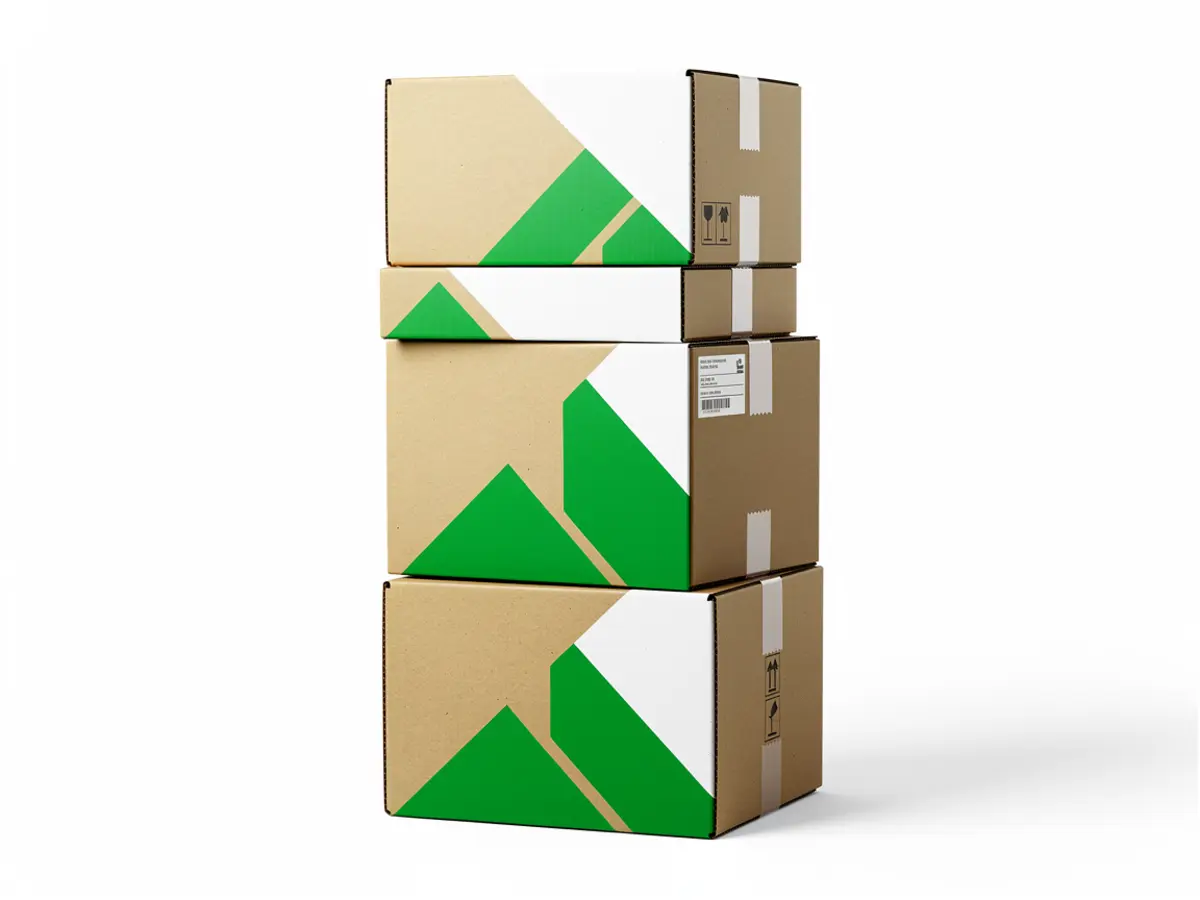
The core DIM weight formula for US domestic parcel shipping is straightforward: multiply the outer length, width, and height of the package (in inches) to get cubic inches, then divide by a carrier-specific divisor and round up to the next whole pound.

FedEx and UPS (common domestic divisor 139):
DIM weight (lb) = ceil(Length × Width × Height ÷ 139)

USPS (common domestic divisor 166):
DIM weight (lb) = ceil(Length × Width × Height ÷ 166)

Chargeable weight for each carrier is: max(actual weight, DIM weight). If your package weighs 2 lb on the scale but has a DIM weight of 4 lb, you are typically rated at 4 lb for that carrier's service (before zone and surcharge rules).

For international or metric planning, volumetric weight often uses centimeters: (L × W × H in cm) ÷ 5000 = volumetric weight in kilograms. Our calculator shows this metric volumetric figure alongside US DIM results so cross-border brands can reason about both frameworks.

Always measure the packed, closed outer carton — not the product alone. Carriers measure or scan the parcel as tendered. Bulging sides, exterior labels, and edge protectors can affect measurements at the hub. When in doubt, round up slightly on dimensions you provide to sales channels or rate-shopping tools.

Example: a 12 × 9 × 4 inch mailer has 432 cubic inches. Dividing by 139 yields 3.1, which rounds up to 4 lb DIM for FedEx/UPS. If actual weight is 2 lb, chargeable weight is 4 lb. The same box on USPS divisor 166 yields ceil(432 ÷ 166) = 3 lb DIM — still above actual weight, but a reminder that divisor choice matters when comparing carriers.

Cubic feet matter for mental models. One cubic foot equals 1,728 cubic inches. Parcels above one cubic foot frequently trigger DIM scrutiny on USPS and are almost always in DIM territory for FedEx and UPS small parcel. Knowing your volume in both units helps when reading carrier guides.

Rounding rules are carrier-specific in edge cases, but ceiling to the next whole pound is the safe planning assumption for US domestic parcels. If your calculation shows 3.01 lb DIM, plan on 4 lb chargeable when DIM exceeds actual weight.

Multi-piece shipments and master cartons use related but distinct rules. This calculator models a single parcel. If you palletize or ship LTL, dimensional rules differ entirely — do not apply parcel divisors to freight quotes.

When converting from centimeters or millimeters, always convert each dimension before multiplying. Do not multiply in metric and apply the inch divisor without conversion — that is a common spreadsheet error that understates DIM weight.

Print this comparison when evaluating whether to switch from poly mailers to rigid mailers or from mailers to corrugated shippers. Structure changes outer dimensions and DIM outcomes even when product weight is unchanged. The calculator lets you model those transitions without waiting for sample cartons from a vendor.

FedEx vs UPS vs USPS DIM Comparison

FedEx, UPS, and USPS all use dimensional weight on many parcel services, but divisors and service rules differ. For US ecommerce, FedEx DIM calculator and UPS DIM calculator planning usually starts with divisor 139. USPS DIM calculator planning often uses 166 for qualifying Priority Mail and Ground Advantage parcels.

FedEx: Ground and Express small parcel services commonly apply DIM weight with divisor 139 domestically. Retail and negotiated accounts may see fuel, residential, and demand surcharges on top of the chargeable weight tier. FedEx is widely used for DTC brands shipping single-parcel orders from warehouses and 3PLs.

UPS: UPS Ground and air small parcel products typically mirror the 139 divisor for domestic DIM. UPS SurePost and hybrid last-mile programs may hand off to USPS with different rating logic — model your primary UPS small parcel path with 139 unless your rep specifies otherwise.

USPS: USPS has cubic tiers and lightweight rules that can bypass DIM on some parcels under one cubic foot. Above those thresholds, divisor 166 is the standard planning figure for dimensional weight. Marketplace sellers and brands using USPS Ground Advantage should validate cubic vs DIM eligibility on their rate sheet.

Our comparison table runs the same dimensions through all three carriers so you can see when one carrier's chargeable weight diverges from another. That matters if you rate-shop per order or split volume across carriers. The lowest actual-weight rate is irrelevant when DIM weight drives the bill.

Remember: divisors are planning defaults. Contract rates, regional carriers, and freight products are out of scope for this tool. Use results to compare packaging scenarios — two box sizes, mailer vs shipper, stock vs custom — rather than as a final invoice.

Regional carriers and consolidators sometimes publish different divisors — 166, 194, or 225 appear in niche programs. If a meaningful share of volume ships outside FedEx, UPS, and USPS, capture those divisors in a spreadsheet alongside this calculator output.

Peak season surcharges stack on top of chargeable weight tiers, not instead of them. A parcel already billed at DIM weight can still incur residential, rural, or demand fees. Fixing DIM addresses the base tier; surcharges remain but at least you are not over-tiered on weight itself.

Returns and exchanges re-run DIM logic in reverse. If customers ship back in the original oversized carton, you may pay DIM on inbound labels too if you provide prepaid return shipping. Right-sized original packaging lowers return logistics cost.

Subscription brands shipping monthly boxes should lock exterior dimensions per plan tier. Swapping inserts without revisiting outer size can push a cohort from actual-weight to DIM-weight billing mid-contract, eroding LTV on customers you already acquired.

Oversize and additional handling fees are separate from DIM weight but often correlate with large dimensions. Carriers publish length and girth limits; approaching those thresholds triggers surcharges even when DIM math alone looks acceptable. Treat dimensional planning as total landed parcel cost, not divisor arithmetic alone.

Shipping Optimization With DIM Weight

Shipping optimization starts with knowing your chargeable weight distribution across SKUs. Export a sample of recent orders: actual weight, outer dimensions, and carrier billed weight. If billed weight consistently exceeds scale weight, DIM weight is eroding margin.

Segment orders into bands: DIM-dominated (light and bulky), actual-dominated (dense products), and balanced. DIM-dominated SKUs deserve packaging projects first because box changes have immediate per-order payback. A half-inch reduction in each dimension compounds across length, width, and height — volume drops faster than you expect.

Rate-shopping tools use the dimensions you feed them. Garbage dimensions produce garbage quotes. Standardize how your warehouse measures boxes (longest side first, closed flaps, no compression) and align WMS cartonization with real outer sizes, not catalog product dimensions alone.

Test packaging changes on your top ten SKUs by volume before rolling out globally. Run this volumetric weight calculator on current vs proposed outer dimensions, multiply the chargeable weight delta by annual order count and average cost per pound, and you have a simple business case for custom tooling.

Coordinate with marketing on unboxing: smaller boxes can still feel premium with interior print, tissue, and inserts. Optimization is not about crushing the product — it is about eliminating unused volume that carriers bill but customers never value.

Build a simple dashboard: SKU, outer dimensions, actual weight, FedEx DIM, UPS DIM, USPS DIM, and whether each bills on DIM. Sort by highest chargeable minus actual delta. That sorted list is your packaging roadmap for the next quarter.

Automate dimension capture at pack stations where possible. Scales with dimensioners exist at higher volume; smaller brands can use check-weigh samples weekly. Drift happens when someone switches to a backup box size during a stockout without updating the WMS.

A/B test outer dimensions the same way you A/B test landing pages. Ship a subset of orders in a tighter custom mailer for two weeks, compare average shipping cost and damage rate, then roll forward if metrics improve. DIM calculators make the hypothesis cheap to form before you run the test.

Zone skipping and regional inventory do not eliminate DIM; they change the zone multiplier applied to the same chargeable weight. A DIM-heavy box hurts more in higher zones, so packaging optimization compounds with network strategy.

Collaborate with product design early. A bottle, jar, or device that is one inch shorter can cascade into a shorter mailer, lower cubic volume, and lower chargeable weight across the entire product lifecycle. Packaging engineers and industrial designers should share DIM targets before tooling is cut.

Reducing Shipping Costs by Right-Sizing Packaging

The fastest way to reduce shipping costs without renegotiating carrier contracts is to shrink outer dimensions on DIM-affected orders. Every inch of unnecessary length, width, or height increases cubic volume and can bump chargeable weight to the next tier.

Stock box catalogs encourage shippers to pick the “next size up.” That is fine for occasional shipments; it is expensive at scale. Custom mailer boxes built to your product footprint reduce volume while preserving branded unboxing. Heavier or fragile lines may need corrugated shipping boxes — still custom-sized to the SKU, not oversized RSC stock.

Use the box size calculator to translate product dimensions into recommended internal and external box sizes, then return here to compare DIM impact before production. Iterating in software is free; iterating on a ten-thousand-unit print run is not.

Consolidate box SKUs where possible. Three well-chosen sizes covering eighty percent of orders beats twelve random stock cartons. Fewer sizes simplify purchasing, warehousing, and pack stations while tightening average cubic volume.

When DIM weight exceeds actual weight on this calculator, treat it as a signal — not a failure. It means you have headroom to improve. Request a free packaging quote with your dimensions and we will help spec mailers or shippers that fit your product and channel.

Quantify savings for stakeholders. If chargeable weight drops from 4 lb to 2 lb on a carrier tier that costs roughly a dollar per pound in your zone mix, two dollars per order adds up across thousands of monthly shipments. Packaging tooling pays back quickly on DIM-heavy SKUs.

Educate customer service: smaller boxes can reduce damage when paired with proper inserts. Agents field “arrived damaged” tickets; tighter fit with void fill often beats loose fit with extra air pillows in an oversized carton.

Wholesale and retail case packs have different DIM logic than single-parcel DTC, but outer case cube still drives freight. Apply the same discipline when designing master cartons for pallet freight and store replenishment.

Kitting and bundle orders multiply DIM risk: two light SKUs in one shipper need a box sized for the combined cube, not the larger of two stock sizes. Model bundle dimensions explicitly rather than defaulting to the biggest single-SKU carton in the warehouse.

Carbon accounting programs increasingly ask for shipped volume per order. Right-sized packaging lowers both reported emissions and carrier chargeable weight because fewer cubic inches travel per unit sold. Sustainability reporting and freight invoices improve together.

Ecommerce Packaging and Dimensional Weight

Ecommerce packaging sits at the intersection of brand experience and logistics math. Customers remember unboxing; carriers remember cubic inches. The best DTC brands design for both: snug protection, consistent outer dimensions, and materials that survive sortation.

Shopify, Amazon, and wholesale channels each impose different constraints — insert requirements, case packs, ASIN-specific prep — but DIM weight follows the outer parcel everywhere. A single hero SKU shipped in an oversized mailer inflates costs on your owned site and on marketplaces alike.

Mailer boxes dominate ecommerce because they assemble quickly, print beautifully, and fold flat for storage. Size them to external dimensions that minimize DIM while meeting crush resistance for your product class. Subscription programs should fix exterior size early so monthly picks do not drift into higher weight tiers.

Document outer dimensions on your packaging spec sheet: L × W × H in inches, board grade, and weight limit tested. Share that spec with your 3PL so cartonization rules match reality. Misconfigured WMS defaults are a common source of “we thought we were shipping at 2 lb” surprises on invoices.

Sustainability and DIM weight align: less void space means less corrugated and less air shipped cross-country. Right-sized custom packaging boxes reduce material waste and chargeable weight simultaneously — a rare case where cost and environmental goals point the same direction.

Start with measurement discipline, use this FedEx DIM calculator, UPS DIM calculator, and USPS DIM calculator in one view, then invest in custom sizes where volume justifies tooling. Packaging is not a back-office detail; on DIM-heavy catalogs, it is a primary financial lever.

Influencer and PR kits are a frequent DIM trap: marketing wants presentation; finance sees oversized parcels. Spec a kit layout first, measure the assembled kit, then choose outer dimensions — not the reverse.

International DTC growth adds metric volumetric rules. Even if you ship domestic today, model both pound-based DIM and kilogram volumetric weight if you plan EU or UK fulfillment. Divisors and customs rules differ by lane.

Training new warehouse hires should include a five-minute DIM primer: why box choice matters, how to measure outer size, and when to escalate a SKU for packaging review. Institutional knowledge prevents slow margin bleed.

Your calculator results can be saved and shared via link — use them in vendor RFQs, 3PL onboarding, and quarterly business reviews. Packaging data belongs in the same conversation as ad spend and conversion rate, because DIM weight taxes every order you ship.

Peak promotional periods — Black Friday, product drops, gift sets — often introduce temporary packaging that is never re-measured. Schedule a post-peak audit: pull ten random orders per new SKU, weigh and measure outer cartons, and compare to calculator assumptions. One-off gift boxes are a common source of January freight surprises.

Integrate DIM checks into new product introduction checklists alongside barcode setup and photography. Before a SKU goes live, someone should confirm outer ship dimensions, actual weight, and whether FedEx, UPS, or USPS will bill on DIM for your typical service level. That fifteen-minute step prevents months of silent margin leakage.

Whether you ship ten orders a day or ten thousand, dimensional weight is deterministic from outer size and carrier divisor. You cannot negotiate away cubic inches at the carrier counter, but you can remove them upstream with better boxes. That is why this free tool exists: to make the math visible before the label prints.

Bookmark this page and re-run calculations whenever you change carriers, add a 3PL, or launch a new product line. Small dimensional shifts compound into meaningful annual savings when every parcel counts toward your freight budget.

DIM weight calculator FAQ

Answers about dimensional weight, volumetric weight, FedEx and UPS divisor 139, USPS divisor 166, and how custom packaging lowers chargeable weight.

What is DIM weight?

DIM weight (dimensional weight) is a billing weight calculated from package volume rather than scale weight. Carriers compare DIM weight to actual weight and charge on whichever is higher for many parcel services.

How do I calculate dimensional weight?

For US domestic FedEx and UPS, multiply length × width × height in inches, then divide by 139 and round up. USPS commonly uses a divisor of 166 for qualifying Priority Mail and Ground Advantage parcels. Our calculator runs all three formulas automatically.

What is the difference between DIM weight and actual weight?

Actual weight is what the package weighs on a scale. DIM weight estimates how much space the parcel occupies in a truck or aircraft. If DIM weight is higher, the carrier bills as if the package weighed that much.

Why do carriers use dimensional weight?

Light but bulky packages take up valuable cargo space. Dimensional weight pricing encourages shippers to use right-sized boxes so carriers can move more goods efficiently and keep rates predictable for everyone.

What divisor does FedEx use for DIM weight?

FedEx commonly uses 139 for US domestic parcel services. Divide cubic inches by 139 and round up to get DIM weight in pounds. Retail counter rates and specialty services may differ.

What divisor does UPS use for DIM weight?

UPS typically uses 139 for US domestic small parcel services. The formula is cubic inches divided by 139, rounded up. Contract rates and certain products can use different rules.

What divisor does USPS use for DIM weight?

USPS often applies a divisor of 166 for dimensional weight on qualifying Priority Mail and USPS Ground Advantage parcels. Cubic pricing tiers and lightweight parcels under one cubic foot may follow different rules.

What is chargeable weight?

Chargeable weight is the greater of actual weight and DIM weight for a given carrier and service. It is the weight tier used to determine your shipping rate before surcharges and fuel fees.

What is volumetric weight?

Volumetric weight is another name for space-based billing weight. Internationally, carriers often calculate it as length × width × height in centimeters divided by 5000 to get kilograms. US domestic shippers usually reference DIM weight in pounds.

How can I reduce DIM weight?

Right-size your packaging so the outer box fits the product with appropriate padding only. Switching from an oversized stock carton to a custom mailer or shipper can drop cubic volume and lower billable weight on every order.

Does box size affect shipping cost even for light products?

Yes. A one-pound product in a large box can be billed at four or five pounds because of dimensional weight. That is one of the most common hidden costs in ecommerce fulfillment.

Should I use internal or external dimensions for DIM calculations?

Carriers bill on the outer dimensions of the packed parcel as measured, including the corrugated walls. Always measure the assembled, closed shipping box, not just the product cavity.

Can I use centimeters or millimeters in this calculator?

Yes. Enter dimensions in inches, centimeters, or millimeters. The tool converts to inches internally for FedEx, UPS, and USPS US divisors and also shows metric volumetric weight in kilograms.

When does USPS not charge DIM weight?

USPS cubic and lightweight tiers can apply to parcels under one cubic foot or below certain weight thresholds. DIM rules vary by service. Use this calculator as a planning estimate and confirm with your USPS rate guide.

Is DIM weight the same for international shipments?

International formulas often use centimeters and divisors such as 5000 or 6000 depending on carrier and lane. This tool focuses on common US domestic divisors (139 and 166) used by FedEx, UPS, and USPS.

How does DIM weight relate to custom packaging?

Custom mailer boxes and corrugated shippers built to your product dimensions reduce empty space, which lowers cubic volume and DIM weight. Packaging is one of the few levers you control before the label prints.

What if my DIM weight equals my actual weight?

When both weights are equal, you are billed on that weight tier. You are not penalized for volume, but you may still have room to tighten packaging slightly for protection and presentation.

Do all FedEx and UPS services use divisor 139?

Most US domestic parcel services use 139, but freight, surepost-style programs, and negotiated contracts can differ. Treat 139 as the standard ecommerce planning divisor unless your carrier agreement states otherwise.

How accurate is this DIM weight calculator?

It applies published domestic divisors for planning and comparison. Final invoices include service level, zone, surcharges, and account-specific rules not modeled here. Always confirm with your carrier for contract rates.

Can I save or share my DIM calculation?

Yes. Results save in your browser via localStorage, and you can copy a shareable link with your dimensions and weight encoded in the URL.

What should I do if DIM weight is higher than actual weight?

Review whether a smaller box or custom mailer fits your product safely. Use our box size calculator to estimate right-sized dimensions, then request a packaging quote to produce custom boxes at that size.

Does void fill increase DIM weight?

Void fill affects actual weight slightly, but DIM weight is driven by outer box dimensions. Oversizing the carton to add extra void fill increases volume and often raises DIM weight more than the fill itself weighs.

How do subscription boxes manage DIM weight?

Subscription brands often standardize exterior dimensions for operations while varying interior layouts. Size the outer box for your largest planned shipment so you do not exceed DIM thresholds unexpectedly.

Where can I get custom boxes after using this tool?

BoxYourBrand manufactures custom mailer boxes and corrugated shipping boxes to your exact outer dimensions. Request a free quote with your calculator results to get production pricing.

How does DIM weight interact with free shipping offers?

If you absorb shipping on orders, DIM weight still hits your margin. Brands offering free shipping benefit most from right-sized packaging because they pay the carrier bill on chargeable weight, not just product weight.

What is custom packaging with USPS?

Custom packaging with USPS means you ship orders in your own branded boxes or mailers through USPS services — not USPS-branded supplies from a post office. Carriers rate parcels on outer dimensions and weight; use this calculator with USPS divisor 166 to estimate chargeable weight before you finalize a custom mailer size.

Right-size your boxes, lower DIM weight

Custom mailer boxes and shipping cartons built to your product dimensions help reduce billable weight on every parcel.

  • Packaging specialists
  • Response within 2 hours
  • No obligation quote