Skip to content

Food Boxes

Custom Cereal Boxes

Custom cereal boxes for retail breakfast brands — SBS cartons with barrier liners, nutrition panels, and high-impact CMYK fronts sized for grocery planograms.
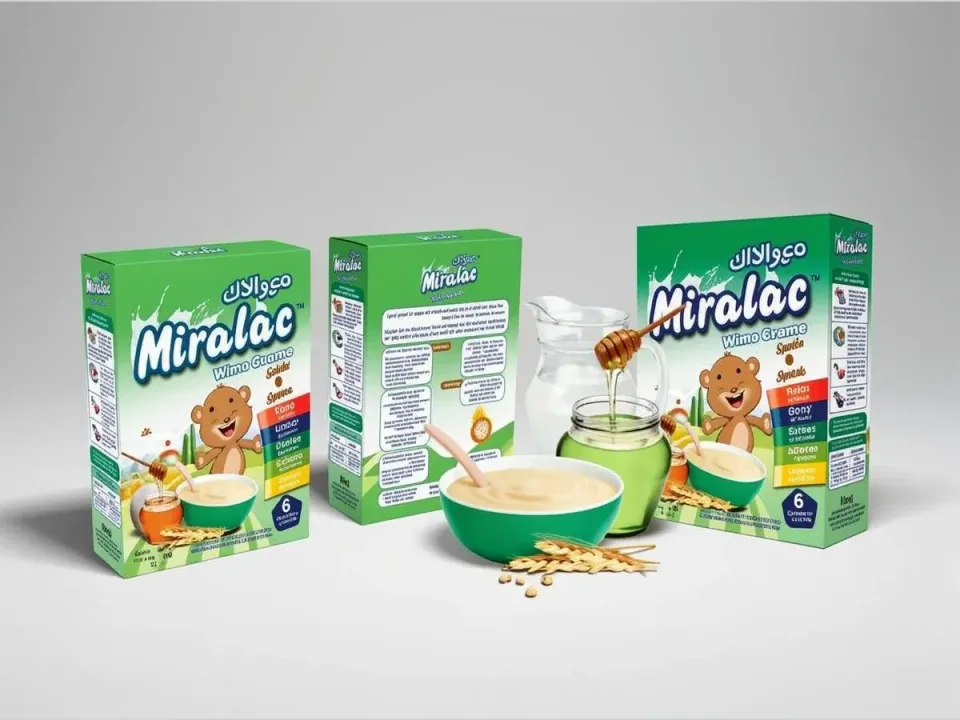
custom cereal boxes printed with brand logo

Technical Specifications for Custom Cereal Boxes

Board
Food-safe SBS or kraft paperboard
Coatings
Grease-resistant, moisture-barrier
Print
Food-safe inks, full CMYK
Turnaround
8–12 business days standard

Materials

  • Food-grade SBS
  • Kraft paperboard
  • Grease-resistant board

Print & Finishing

  • Food-safe CMYK
  • Kraft natural print
  • Spot color
  • Soy-based inks

Available Styles

  • Standard Cereal Carton
  • Family Size Box
  • Single-Serve Box
  • Display Shipper
  • Sleeve Wrap

What Are Custom Cereal Boxes?

A custom cereal box is a printed paperboard carton engineered around a bag-in-box fill: the inner liner does the food-contact and freshness work, and the cardboard cereal box does the structure, the shelf presence, and the regulatory panels. That division of labor is why the format has barely changed in a century — it works.
BoxYourBrand produces custom cereal boxes for breakfast brands, granola startups, and private-label programs — food-safe SBS and kraft cartons with high-impact CMYK fronts, nutrition panel layouts, and calipers matched to fill weight and grocery stacking.

What cereal and granola brands get from custom cartons:

  • The billboard face — Cereal fronts are among the largest uninterrupted print panels in grocery; the box is the ad
  • Regulatory compliance built in — Nutrition facts, allergen, and UPC zones reserved in the dieline, not squeezed in later
  • Shelf and shipper strength — Board caliper spec'd to fill weight so face rows stand straight through the planogram cycle
  • Liner compatibility — Cartons engineered around your bag-in-box liner and filling line
  • Launch-friendly MOQs — Digital print puts real cartons within reach of a farmers-market granola brand
The cereal carton is structurally a straight-tuck folding carton, so brands expanding beyond breakfast often reuse the learning on folding cartons for other SKUs or coffee boxes for an adjacent aisle.

Cereal Box Styles and Formats

The style question in cereal is mostly a size-tier question — the same tuck-top carton logic scales from single-serve to family size — plus the retail-display formats around it.
StyleBest forNotes
Standard cereal cartonMainline grocery SKUsTuck-top, bag-in-box; the category default
Family size boxValue tiers and club-adjacent packsTaller and deeper; caliper steps up with fill weight
Single-serve boxHotels, food service, variety packsSmall dielines; often sold in a printed outer
Display shipperEnd caps and warehouse-club placementShipping case converts to on-shelf display
Sleeve wrapPromotions and multipacksPrinted sleeve banding two or more cartons
Window cartonGranola and premium muesliFilm window shows texture; complicates recyclability
Premium granola brands increasingly borrow from the window-carton playbook because their product photographs poorly but looks great in person — a die-cut window with a clear liner lets the clusters sell themselves. Mainstream cereal keeps solid board and spends the panel on character and color instead.
If your retail plan includes end-cap or counter placement, spec the display shipper with the carton from day one — a retail display box designed around your exact carton footprint avoids the wobbly-tray problem retrofits always have.

Cereal Box Sizes and Dimensions

Standard cereal box dimensions cluster tightly because grocery shelving does: roughly 12" of shelf height and planogram facings sized in 2-inch increments. Cereal box sizes are quoted length × width × depth, with the "width" being the narrow side panel that carries nutrition facts.
Size tierDimensions (H × W × D, inches)Typical fill
Single-serve5 × 3.5 × 1.5"0.75–1.5 oz
Small / trial10 × 7 × 2"8–12 oz
Mid-size (standard)12 × 7.75 × 2.5"12–18 oz
Large12 × 8.5 × 3"18–22 oz
Family size13.5 × 9.5 × 3.25"22–32 oz
Those measurements of a cereal box are conventions, not rules — but deviate deliberately. A box taller than ~13.5" fights standard shelf heights; a depth under 2" tips forward when the bag settles. If you are designing off-grid, run the numbers against the standard packaging dimensions guide and your target retailer's planogram before cutting a die.
The dimension buyers most often get wrong is depth: granola and dense muesli need less volume per ounce than puffed cereal, so copying a corn-flake dieline for a 12 oz granola leaves the box half air — and the settle-gap reads as short-fill to customers. Fill-weight-to-volume math is covered step by step in the cereal box sizes and dimensions guide.

Food-Safe Board, Liners, and Coatings

The carton-and-liner split makes cereal packaging materials refreshingly simple: the liner handles food contact and moisture barrier, so the board is chosen for print, stiffness, and cost.

Board and barrier options:

  • Food-grade SBS (16–24pt) — Bright white, smoothest print surface; the mainstream cereal standard
  • Kraft paperboard — Natural look for organic and craft granola positioning; pairs with 1–2 color print
  • Recycled-content board (CRB) — The classic cardboard cereal box stock; strong eco story, slightly warmer white
  • Grease- and moisture-resistant coatings — For clusters with oils or inclusions that stress the liner
  • Liner interface — Cartons engineered around your bag-in-box liner spec, including easy-open and reseal features
Because the liner is the barrier, indirect-contact board and inks are the norm — but say so explicitly on your quote if you are running a linerless or direct-fill format, because that flips the material spec to direct food contact.
Recycled board deserves a plug: cereal boxes are one of the most successfully recycled packaging formats in the US, and a recycled-content carton with a recyclable liner is an honest, verifiable claim. Skip the window film if curbside recyclability is on the panel — details in our sustainable packaging hub.

Printing the Billboard: Cereal Box Design

Cereal is the most design-forward aisle in grocery — the front panel does the selling, the side panels do the compliance, and the back panel is the one place in packaging where customers expect to be entertained.

Print options:

  • Full CMYK offset/digital — Character art, appetite photography, and saturated brand color on the front face
  • Spot varnish and gloss accents — Highlighting the bowl shot or logo against a matte field
  • Kraft-forward print — 1–2 colors on natural board for craft and organic positioning
  • Food-safe and soy inks — Standard for the category
  • Back-panel content — Games, brand story, recipes, QR codes to loyalty or subscription
Panel discipline matters more here than in most categories: the nutrition facts panel, ingredient list, allergen statement, and UPC all have placement and type-size requirements, and they live on the side and back panels by convention. We reserve those zones in the dieline before artwork starts so the brand face never has to shrink after a compliance pass.
One planning note on large ink coverage — a fully flooded front panel needs ink management so the board stays flat and the glue seam holds. That is a prepress problem, not a design constraint, but it is why we proof flooded designs on the actual board before a full run.

Custom Cereal Box MOQ and Pricing

Cereal cartons follow folding-carton economics: digital print makes small launches practical, and offset takes over once a SKU proves itself at grocery volume.

Program structure:

  • MOQ — 50–249 units on digital-friendly runs; enough for farmers markets and DTC tests
  • Volume tiers — Per-unit breaks at 250–999 and 1,000+ units; offset pricing kicks in at grocery quantities
  • Production — 8–12 day standard turnaround; 3–5 day rush available
  • Reorders — Dielines and plates stay on file; flavor extensions reuse the structure with new art
  • Multi-SKU lines — Shared dieline across flavors consolidates volume into a better tier
The multi-SKU point is the big cost lever for breakfast brands: three flavors on one dieline quote as one structural job with three print versions, not three jobs. Keep the box constant, vary the art, and the whole line moves up a pricing tier together.
When you request a cereal box quote, include fill weight per SKU, liner spec (or ask us to recommend one), target retail environment, and quantities per flavor. Fill weight sets caliper; the retail target sets the finish level.
Order samples ($25, credited toward your first order) and do the shelf test: fill a sample with your actual product, stand it on a shelf edge for a week, and check for bulge and lean before approving the caliper.

Who Orders Custom Cereal Boxes

The buyer list is broader than breakfast: the cereal-carton format serves any dry, pourable product that benefits from a big printed face.

Common programs:

  • Breakfast cereal and granola brands — Grocery, natural-channel, and DTC subscription packs
  • Private label and co-packers — Retailer-brand programs with strict planogram dimensions
  • Oatmeal, muesli, and hot cereal — Same structure, different fill math
  • Snack and trail mix lines — Cereal-style cartons as a premium upgrade from pouches
  • Promotional and wedding boxes — Custom cereal box formats as gifts, favors, and marketing stunts with personal photos and inside jokes
  • Cafes and hotels — Single-serve boxes with brand print for breakfast service
Food brands should read the carton spec alongside the food and beverage packaging hub — retailer compliance, date-code zones, and case-pack math are category-wide concerns that the carton has to fit into.
And if the cereal carton is one piece of a broader dry-goods line, food packaging covers the adjacent formats — pouches, window cartons, and tray packs — that share the same food-safety logic.

Cereal Boxes vs Folding Cartons vs Pouches

The real alternative to a cereal box is a stand-up pouch — the carton wins on shelf presence and stacking, the pouch on barrier and weight. Generic folding cartons sit in between as the non-food-tuned version of the same board.
FactorCereal boxesFolding cartonsStand-up pouches
StructureTuck carton + inner linerTuck carton, product-direct or linedFlexible laminate film
Shelf presenceTall billboard face, straight rowsFormat-dependentSlumps as contents empty
BarrierLiner does the workCoating-dependentExcellent, film-native
Recyclability storyCurbside carton + liner variesCurbside paper in most marketsStore drop-off at best
Print qualityExcellent flat offset/digitalExcellentHigh on gravure, cost at volume
Best forGrocery cereal, granola, dry goodsGeneral retail CPGTrail mix, coffee, resealable snacks
Rule of thumb: if the product is poured into a bowl and lives in a pantry, the bag-in-box carton is the category-correct answer — customers navigate the cereal aisle by box silhouettes. If the product is snacked from the pack and needs reclosure, a pouch under plastic packaging may fit better; if it is neither, a standard folding carton keeps the options open.

How to Order Custom Cereal Boxes

Cereal carton orders go smoothly when fill math precedes artwork — the box is sized from the product density, not from the design file.
  1. Do the fill math — Fill weight, product density, and settle allowance determine internal volume.
  2. Pick the size tier — Match a standard tier from the dimensions table unless a retailer planogram says otherwise.
  3. Spec board and liner — SBS, kraft, or recycled board; liner spec'd to shelf-life target.
  4. Reserve compliance zones — Nutrition, allergen, and UPC panels in the dieline before brand art begins.
  5. Quote & sampleRequest a quote; order samples and run the filled shelf test.
  6. Approve proof — Digital proof is free; production starts on approval.
The cereal box sizes and dimensions guide walks through the fill math with worked examples, and the standard packaging dimensions guide covers how L×W×H conventions map to shelves and case packs.

Start Your Custom Cereal Box Order

Ready to put your brand on the biggest billboard in the grocery aisle? Request a free quote with your fill weights, size tier, board preference, and quantities per flavor. A specialist responds within two hours with caliper and liner recommendations plus per-unit pricing at your tier.
Sizing the box first? Start with the cereal box sizes and dimensions guide, then order samples and shelf-test with your actual product before locking the die.

Common Uses for Custom Cereal Boxes

Businesses order custom cereal boxes for the applications below.

Food brands and CPG

Bakeries and cafes

Gift and specialty food

Retail shelf display

Cereal Boxes Pricing & Order Quantities

50-249 units

Launch and test tier

250-999 units

Volume discount tier

1,000+ units

Best per-unit pricing

Exact pricing depends on dimensions, material, print, and quantity. Request a free quote for a precise per-unit price.

Industries That Order Cereal Boxes

custom cereal boxes pairs well with cereal packaging wholesale across these verticals.

Guides for Designing Cereal Boxes

Expert guides on custom cereal boxes — sizing, design, materials, and ordering.
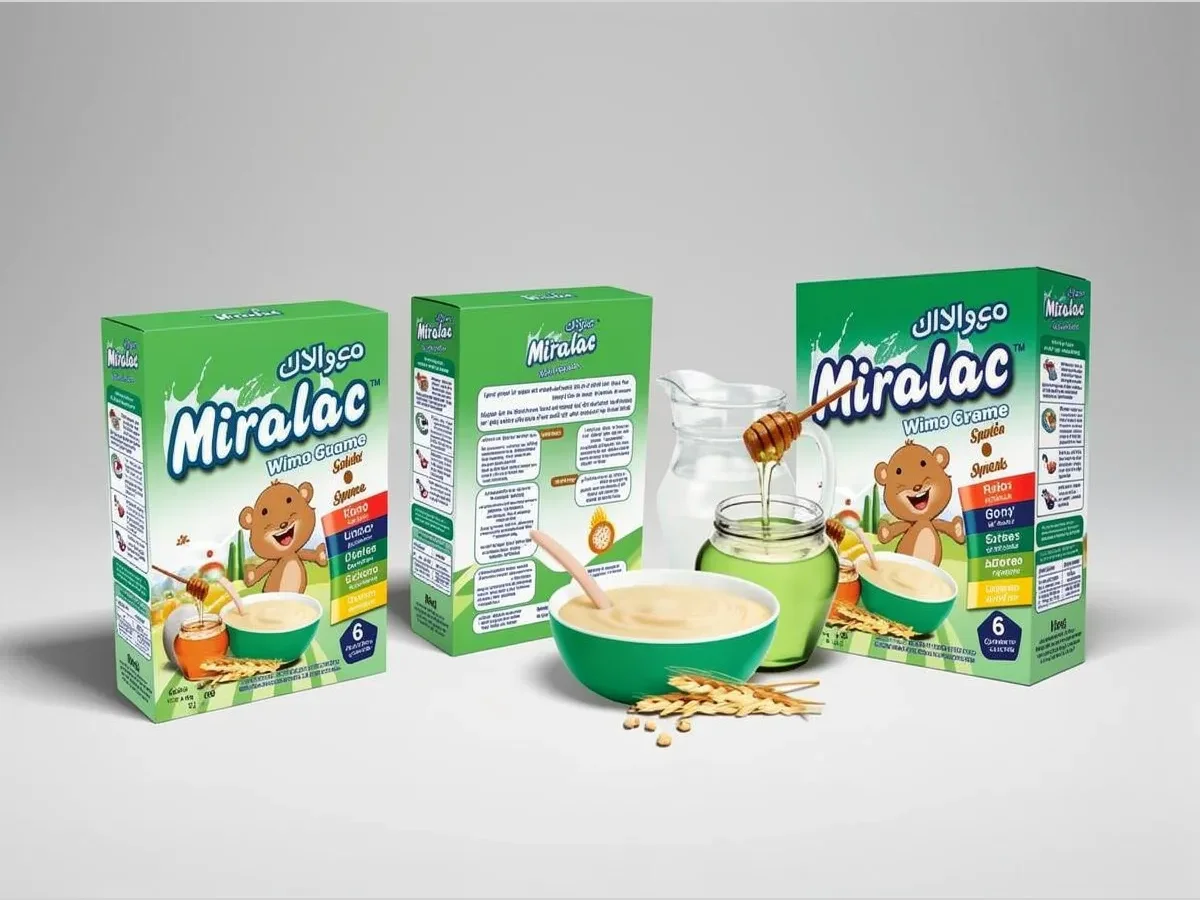
cereal box sizes — Cereal Box Sizes & Dimensions: Standard Measurements Guide
Buying Guide

Cereal Box Sizes & Dimensions Guide

Cereal box sizes and dimensions in inches — standard retail measurements, panel layout, cardboard specs, and how to order custom cereal boxes for CPG brands.
standard size of box — Standard Packaging Dimensions: Box Sizes & L×W×H Guide
Buying Guide

Standard Packaging Dimensions Guide

Standard size of box and common packaging dimensions — cereal, tissue, milk carton, pizza box sizes, length width height explained, plus box size calculator.

FAQ

Cereal Boxes Questions

Are cereal boxes food-safe for bag-in-box breakfast programs?

Yes. We produce food-safe cartons engineered around cereal liners and bag-in-box packs. Board and inks are selected for indirect food contact when the liner is the primary barrier.

Can cereal boxes include a resealable liner or bag interface?

Yes. Cartons can be engineered around bag-in-box liners with easy-open and reseal features for breakfast cereals. Share liner specs and fill weight so board caliper supports stacking on shelf.

Do cereal boxes support nutrition facts and allergen panels?

Yes. We reserve regulatory panel space on side and back panels during dieline layout so nutrition and allergen copy stay compliant without crowding the front brand face.

What print coverage works on large cereal retail faces?

Full CMYK with optional spot varnish is standard for cereal billboard faces. We manage ink coverage so large panels stay flat and carton glue seams remain strong.

Can cereal boxes handle freezer or refrigerated SKUs?

Standard cereal cartons are for ambient shelf; freezer or fridge SKUs need different board and coatings. Tell us storage conditions on your quote so we do not under-spec the carton.

What are standard cereal box dimensions?

The mid-size grocery standard runs about 12 × 7.75 × 2.5" (height × width × depth) for a 12–18 oz fill, with family size at roughly 13.5 × 9.5 × 3.25" and single-serve at 5 × 3.5 × 1.5". These conventions exist because grocery shelf heights and planogram facings do — deviate deliberately and check your retailer's planogram first.

How do I size a cereal box for my fill weight?

Work from product density, not from another brand's box: puffed cereals need far more volume per ounce than dense granola. Calculate internal volume from fill weight and density, add settle allowance, then match the nearest standard tier. Copying a corn-flake dieline for granola leaves the box half air, which customers read as short-fill.

What is the MOQ for custom cereal boxes?

Digital-friendly runs start at 50–249 units — practical for farmers markets and DTC tests — with per-unit breaks at 250–999 and 1,000+ units where offset economics take over. Multi-flavor lines sharing one dieline consolidate volume into better tiers.

Are custom cereal boxes food-safe without a liner?

The standard format is bag-in-box: the inner liner handles direct food contact and the moisture barrier, so the carton is spec'd for indirect contact. Linerless or direct-fill formats are possible but flip the spec to direct food-contact board and inks — flag it on your quote.

Can I put a window in a cereal or granola box?

Yes. Die-cut windows with clear film suit granola and muesli, where the product texture sells better than photography. The trade-off is recyclability messaging — window film complicates curbside claims — so mainstream cereal brands typically keep solid board and spend the panel on design.

Can you make novelty or personalized cereal boxes for events?

Yes. Custom cereal boxes with personal photos, wedding themes, or campaign art run on the same dielines at launch-tier quantities. They are a popular format for favors, marketing stunts, and merch drops precisely because the shape is instantly recognizable.

How long does cereal box production take?

Standard production takes 8–12 business days after proof approval after digital proof approval. Rush production of 3–5 business days is available when quoted. Flavor extensions on an existing dieline move faster because the structure is already approved.

Can I get a cereal box sample before a full order?

Yes. Physical samples are $25, credited toward your first full order, and ship within 5–10 business days. Digital proofs are always free before production.

Products Related to Cereal Boxes

Brands ordering custom cereal boxes often compare these formats before requesting a quote.
Ready to Order Cereal Boxes?

Get a custom quote in minutes. No commitment, no pushy sales calls. Just great packaging at a fair price.

  • Packaging specialists
  • Response within 2 hours
  • No obligation quote