Skip to content

Eco-Friendly Boxes

Custom Reusable Shopping Bags

Custom reusable shopping bags for retail checkout, grocery, and brand merch. Non-woven, cotton, and laminated tote options with full-color logo print.
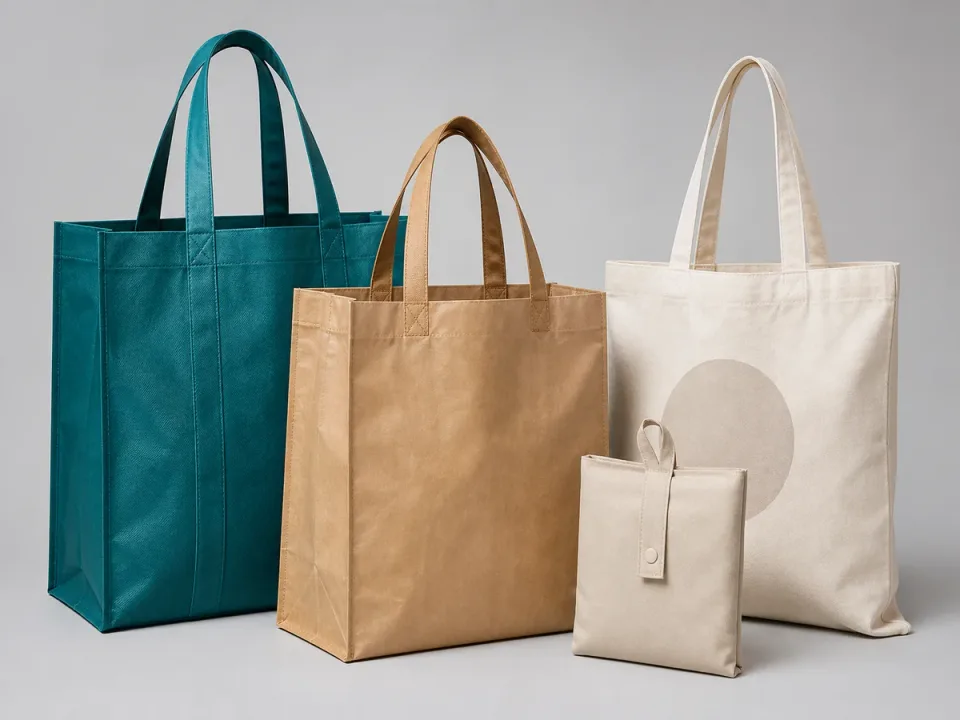
custom reusable shopping bags printed with brand logo

Technical Specifications for Custom Reusable Shopping Bags

Stock
Non-woven PP, cotton canvas, or laminated fabric
Print
Full CMYK + spot colors
Finishing
Reinforced handles, gusset base, optional pocket
Turnaround
8–12 business days standard

Materials

  • Non-woven polypropylene
  • Cotton canvas
  • Laminated non-woven
  • Recycled PET fabric

Print & Finishing

  • Full CMYK
  • Spot color
  • One-side or two-side print

Available Styles

  • Non-Woven Tote
  • Cotton Canvas Tote
  • Laminated Grocery Tote
  • Foldable Pocket Tote
  • Heavy-Duty Shopping Bag

What Are Custom Reusable Shopping Bags?

Custom reusable shopping bags are fabric totes — non-woven, cotton canvas, laminated, or recycled PET — printed with your brand and built to survive dozens or hundreds of shopping trips. As single-use bag bans spread across US states and cities, the checkout bag stopped being a disposable cost and became a piece of brand media customers carry weekly for years.
BoxYourBrand produces custom reusable shopping bags and personalized reusable grocery bags for supermarkets, boutiques, farmers markets, and DTC brands — reinforced handles, gusseted bases, and full-color or spot print matched to your brand book.

Why retailers invest in customizable reusable shopping bags:

  • Repeat impressions — A grocery tote used weekly delivers hundreds of brand exposures per unit; no other packaging comes close on cost-per-impression
  • Bag-ban compliance — Jurisdictions phasing out single-use plastic make a branded reusable the default checkout answer
  • Revenue line — Totes sell at the register; a well-designed bag turns a packaging cost into a small profit center
  • Sustainability signal — A durable reusable bag makes the eco commitment visible where customers see it most
  • Bigger canvas — Two large faces plus gussets give more print real estate than any paper bag
Most retail programs run reusables alongside paper bags for customers who forget their tote, and event-focused brands add drawstring bags for giveaways — one artwork system across the carry lineup.

Reusable Tote and Grocery Bag Styles

Style tracks the load and the setting: grocery programs need structure and load rating, boutique merch needs hand-feel, and promo programs need the lowest cost that still survives reuse.
StyleBest forTrade-off
Non-woven toteSupermarket checkout, promosLowest cost that still counts as reusable; moderate lifespan
Laminated grocery toteGrocery and multi-item haulsWipe-clean, structured walls, vivid print; stiffer feel
Cotton canvas toteBoutiques, bookstores, brand merchPremium natural feel, washable; higher unit cost
Heavy-duty shopping bagHardware, liquor, bulk retailHighest load rating; costs more per unit
Foldable pocket toteGlovebox and purse carry, DTC insertsAlways available when needed; lighter fabric
Tote with zip closureCommuters, market vendors, merch linesContents secure and concealed; zipper adds cost
Tote bags with zip closures are worth a look for brands selling the bag rather than giving it away — the zipper moves the product from "free grocery tote" to "bag people choose to carry daily," which supports a retail price point.
Grocery chains typically standardize on one laminated tote and one non-woven budget tier; boutiques usually run a single cotton canvas tote that doubles as merch. The custom reusable shopping bags guide maps formats to program type in more detail.

Reusable Bag Sizes and Load Ratings

Size and load rating travel together — a bigger bag invites a heavier fill, so handles and seams must scale with the footprint. Under-spec'd handles on a generous bag is the classic failure: the bag survives, the handle stitching does not.
Size (W × H × gusset)Load ratingTypical use
13 × 13 × 3"Up to ~15 lbsBoutique merch tote, light retail
13 × 15 × 8"20–30 lbsStandard grocery tote, fits over a shoulder
16 × 14 × 10"30–40 lbsLaminated grocery workhorse; stands open for packing
18 × 15 × 8"40+ lbsHeavy-duty and warehouse-club style hauls
Foldable ~14 × 14"~15 lbsPocket totes; packs to phone size
The bottom gusset is what makes a grocery bag work at the register: a wide flat base stands open for packing and keeps jars upright in the trunk. Boutique totes can skip the deep gusset for a slimmer silhouette; grocery programs should not.
Handle drop matters too — 9–10" of drop clears a shoulder with a winter coat, while short 6" handles force hand carry. If checkout staff pack the bags, ask for reinforced X-box stitching at the handle joins; it is the highest-value small upgrade on the spec sheet.

Tote Materials: Non-Woven, Cotton Canvas, rPET

Reusable tote materials and MOQ are the two questions every program starts with, and material comes first because it sets lifespan, feel, and the honesty of the sustainability claim.

Material options:

  • Non-woven polypropylene (80–120 gsm) — The economical reusable; heavier weights survive noticeably more trips
  • Laminated non-woven — A film layer adds structure, wipe-clean surfaces, and photo-quality print; the grocery standard
  • Cotton canvas (8–12 oz) — Natural, washable, ages well; the boutique and bookstore default
  • Recycled PET (rPET) — Fabric spun from post-consumer bottles; pairs a recycled-content story with non-woven economics
  • Jute and blends — Rustic texture for farm, wine, and gift programs where the look is the point
A note on honest eco math: a reusable bag only beats single-use once it is actually reused — dozens of trips for non-woven, more for cotton. That argues for fewer, better bags: a 120 gsm laminated tote customers keep beats a 70 gsm giveaway they treat as disposable. Our sustainable packaging hub covers claims language that survives scrutiny.
Care and durability details belong on the bag or a hang tag: cotton canvas machine-washes, laminated totes wipe clean, and stating it plainly extends real-world lifespan — which is the entire environmental case for the format.

Printing Personalized Reusable Bags

Print method follows fabric: screen print rules cotton and non-woven, while laminated totes take full-bleed photographic art that looks like retail packaging.

Print options:

  • Spot-color screen print — Durable, economical, the standard for logo-forward totes on cotton and non-woven
  • Full CMYK on laminated fabric — Edge-to-edge photographic art; the supermarket-tote look
  • Pantone matching — Brand-book color on white and light fabrics; dark fabrics need an underbase
  • Two-side print and gusset print — The bag is seen from every angle in a cart; gussets are cheap extra billboard
  • Monogram-style layouts — Monogrammed canvas bags and name-drop editions for gift shops and events
Design for the mid-distance read: a tote is seen across a parking lot and a checkout line, not studied in hand. Strong silhouette, one message, high contrast. Custom printed canvas tote bags with a single confident mark consistently outperform dense layouts on reuse — people carry bags that look good, and bags that get carried are the ones doing brand work.
For artwork setup across fabric formats, the packaging artwork guide covers file prep, and we template your art onto the exact print window for the chosen bag before proofing.

Reusable Shopping Bags Wholesale: MOQ and Pricing

Reusable bags price on fabric, print coverage, and hardware — and like all fabric formats, quantity is the dominant lever.

Program structure:

  • MOQ — 50–249 units on most tote formats; enough for a boutique test or a single event
  • Volume tiers — Per-unit breaks at 250–999 and 1,000+ units; grocery programs typically order at the top tier
  • Production — 8–12 day standard turnaround; 3–5 day rush available
  • Reorders — Screens and artwork stay on file; seasonal reprints skip setup
  • Mixed fabric programs — Laminated checkout totes and cotton merch totes can quote in one thread
Cost levers in order: quantity, fabric (non-woven < rPET < laminated < cotton), print (one-color one-side is the floor; full-bleed laminated print costs more), and hardware (zippers, pockets, bottom boards). For register resale programs, work backward from your target retail price — a tote that retails at $12–15 supports laminated fabric and two-side print comfortably.
When you request a reusable shopping bags quote, include the expected load (grocery haul vs soft merch), where the bag is distributed (register sale, gift-with-purchase, event), and Pantone references. Load sets fabric and handle spec; distribution sets the economics.
Order samples ($25, credited toward your first order) and load-test them with a real shop — handle comfort under 30 lbs is not something a spec sheet communicates.

Grocery, Boutique, and Brand Merch Programs

The same tote format runs three distinct business models — compliance carry, brand merch, and promotional giveaway — and the spec should match the model.

Common programs:

  • Supermarkets and grocery — Laminated totes sold at the register plus a non-woven budget tier; reusable custom grocery bags sized to bagging-station racks
  • Boutiques and bookstores — Cotton canvas totes that customers request by name; the bag is merch with a packaging job
  • Farmers markets and co-ops — Jute and rPET formats where the material is part of the message
  • DTC and subscription brands — Foldable totes as a premium insert that keeps the logo in daily circulation
  • Events and conferences — High-volume non-woven totes; sturdier sibling to the drawstring giveaway
  • Wine, liquor, and specialty food — Divided-bottle totes and heavy-duty formats with reinforced bases
Retailers building the full front-of-store stack — totes, kraft bags, tissue, and stickers — should see the retail and CPG packaging hub for how the checkout formats work as a system.
The highest-performing programs treat the tote as a product: named designs, seasonal colorways, and register placement. When customers choose the bag, reuse rates — and impressions per unit — climb with no change in unit cost.

Reusable Totes vs Paper Bags vs Drawstring Bags

Three carry formats, three jobs: the tote is the durable workhorse, paper is the elegant single trip, and the drawstring is the wearable giveaway.
FactorReusable shopping bagsPaper bagsDrawstring bags
Primary roleCheckout and grocery carryRetail purchase presentationGiveaway and wearable merch
LifespanYears of weekly useOne to a few tripsMonths to years
Load ratingHighest — 20–40+ lbsLight to moderateLight to medium
Unit costModerateLowestLow–moderate
Impressions per unitHundredsA handfulDozens to hundreds
Bag-ban compliantYesUsually (check local rules)Yes
Rule of thumb: if the bag must survive repeat grocery-weight trips, spec the reusable tote. If it presents a purchase beautifully once, a paper bag wins on cost and look. If it will be worn on shoulders at an event, that is drawstring bag territory. The custom packaging bags guide compares the full lineup.

How to Order Custom Reusable Shopping Bags

Lock the load and the distribution model first — everything else on the spec sheet follows from those two answers.
  1. Define the program — Register resale, gift-with-purchase, or giveaway; expected load in pounds.
  2. Pick style and size — Laminated grocery tote, cotton canvas, foldable, or zip-top from the tables above.
  3. Choose material — Fabric weight that honestly survives the intended reuse.
  4. Spec print — Sides, colors, gusset print, and Pantone references.
  5. Quote & sample — Request a quote; order samples and load-test with a real shop.
  6. Approve proof — Digital proof is free; production starts on approval.
Grocery and multi-location retailers should also confirm bagging-station fit — bag height and handle drop interact with the racks at checkout, and a sample on the actual rack answers the question in thirty seconds.

Start Your Custom Reusable Bag Order

Ready to turn your checkout bag into years of brand impressions? Request a free quote with your bag size, fabric, load requirement, and quantity. A specialist responds within two hours with material recommendations and per-unit pricing at your tier.
Still choosing between formats and fabrics? Start with the custom reusable shopping bags guide — totes, grocery formats, materials, and MOQ math — then order samples to load-test before the full run.

Common Uses for Custom Reusable Shopping Bags

Businesses order custom reusable shopping bags for the applications below.

Grocery and supermarket programs

Retail checkout carry

Brand merchandise and events

Eco-positioned DTC giveaways

Reusable Bags Pricing & Order Quantities

50-249 units

Launch and test tier

250-999 units

Volume discount tier

1,000+ units

Best per-unit pricing

Exact pricing depends on dimensions, material, print, and quantity. Request a free quote for a precise per-unit price.

Industries That Order Reusable Bags

custom reusable shopping bags pairs well with customizable reusable shopping bags across these verticals.

Guides for Designing Reusable Bags

Expert guides on custom reusable shopping bags — sizing, design, materials, and ordering.
reusable tote materials and MOQ — Custom Reusable Shopping Bags: Totes, Grocery & MOQ Guide
Buying Guide

Custom Reusable Shopping Bags Guide

Custom reusable shopping bags and grocery totes — non-woven, cotton, and laminated formats with logo print, load ratings, and bulk MOQ guidance.
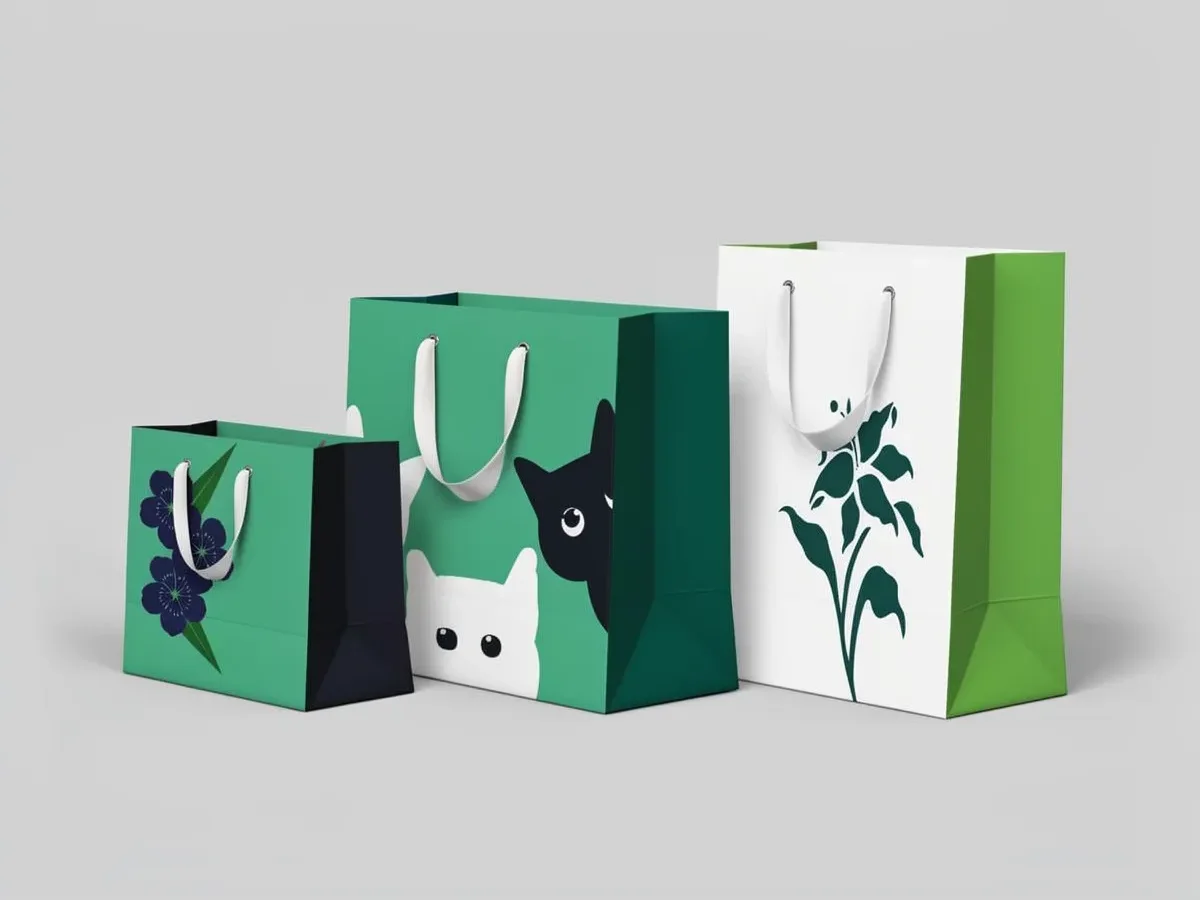
custom packaging bags — Custom Packaging Bags: Paper, Kraft & Poly Options for Retail and Ecommerce
Buying Guide

Custom Packaging Bags Guide

Custom packaging bags compared — paper, kraft, and poly mailers for retail, ecommerce, and food brands. MOQs, print methods, and format fit.

FAQ

Reusable Bags Questions

What materials are used for reusable grocery and shopping totes?

Non-woven, cotton canvas, laminated non-woven, and recycled PET fabrics are typical. Grocery programs usually need higher load ratings than boutique merch totes.

Can reusable tote print match store brand guidelines?

Yes. Full CMYK and Pantone matching keep checkout totes aligned with retail brand books. Laminated surfaces may need ink systems rated for that film.

What MOQ should I plan for reusable shopping bag launches?

Launch tiers often start around 50 units, with stronger unit pricing at 250+ and 1,000+. Your quote itemizes handle and gusset options that affect cost.

What load rating should I choose for grocery reusable totes?

Grocery programs usually need reinforced handles, a gusseted base, and fabric rated for multi-item hauls—often laminated or heavy non-woven. Boutique merch totes can run lighter cotton canvas when loads stay soft goods only.

Are reusable shopping bags washable after retail use?

Cotton canvas and many laminated non-woven totes wipe clean or tolerate gentle washing; exact care depends on ink and laminate. We note care guidance on your quote so store teams and customers know how to reuse the bag.

What is the best material for reusable grocery bags?

Laminated non-woven is the grocery workhorse: structured walls that stand open at the bagging station, wipe-clean surfaces, 30–40 lb load ratings, and vivid full-bleed print. Cotton canvas wins for boutique and merch programs where hand-feel matters more than haul weight.

What MOQ applies to customizable reusable shopping bags?

Most tote formats start at 50–249 units, with per-unit breaks at 250–999 and 1,000+. Grocery and multi-location retail programs almost always order at the 1,000+ tier, where laminated tote pricing becomes very competitive per impression delivered.

How many times does a reusable bag need to be used to beat single-use bags?

Dozens of trips for non-woven polypropylene and more for cotton, depending on the study and the comparison bag. The practical takeaway: spec a fabric weight customers will genuinely keep using, and print care instructions — a reusable bag that gets reused is the entire point of the format.

Can reusable totes be printed edge to edge with photographic artwork?

Yes, on laminated non-woven fabric. The film layer takes full CMYK, full-bleed art on both faces and the gussets — the look supermarket register totes are known for. Cotton and standard non-woven suit spot-color screen print instead.

Do you make tote bags with zip closures?

Yes. Zip-top totes secure and conceal contents, which supports commuter and market use and helps the bag sell at retail rather than read as a giveaway. The zipper adds unit cost, so it is usually reserved for register-resale and merch programs.

Can I order personalized reusable grocery bags in multiple designs?

Yes. Seasonal colorways and multiple designs can run within one program, and screens stay on file for reprints. Grocery retailers often rotate two or three designs a year — treating the tote as a product measurably lifts reuse and register sales.

How long does reusable bag production take?

Standard production takes 8–12 business days after proof approval after digital proof approval. Rush production of 3–5 business days is available when quoted. Multi-design programs proof each artwork in parallel, so extra designs add little to the timeline.

Can I get a sample tote before committing to a full order?

Yes. Physical samples are $25, credited toward your first full order, and ship within 5–10 business days. Digital proofs are always free before production.

Products Related to Reusable Bags

Brands ordering custom reusable shopping bags often compare these formats before requesting a quote.
Ready to Order Reusable Bags?

Get a custom quote in minutes. No commitment, no pushy sales calls. Just great packaging at a fair price.

  • Packaging specialists
  • Response within 2 hours
  • No obligation quote