How To Calculate Volume
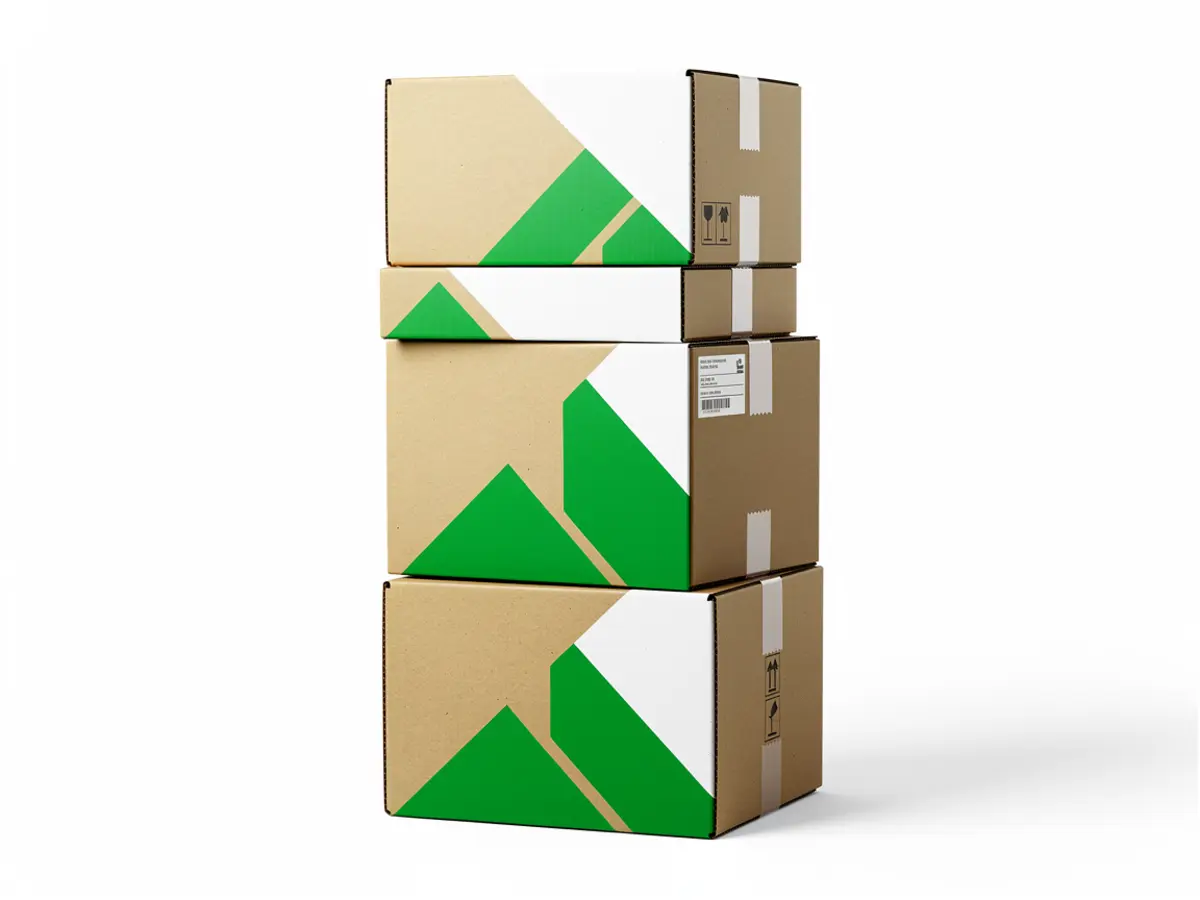
Calculating the volume of a box is the foundation of packaging logistics. Whether you are sizing a custom mailer, a master carton for wholesale, or a subscription shipper, the math is the same: multiply length × width × height in a consistent unit. A box volume calculator removes manual errors and converts results into cubic inches, cubic feet, cubic meters, liters, and gallons in one step.
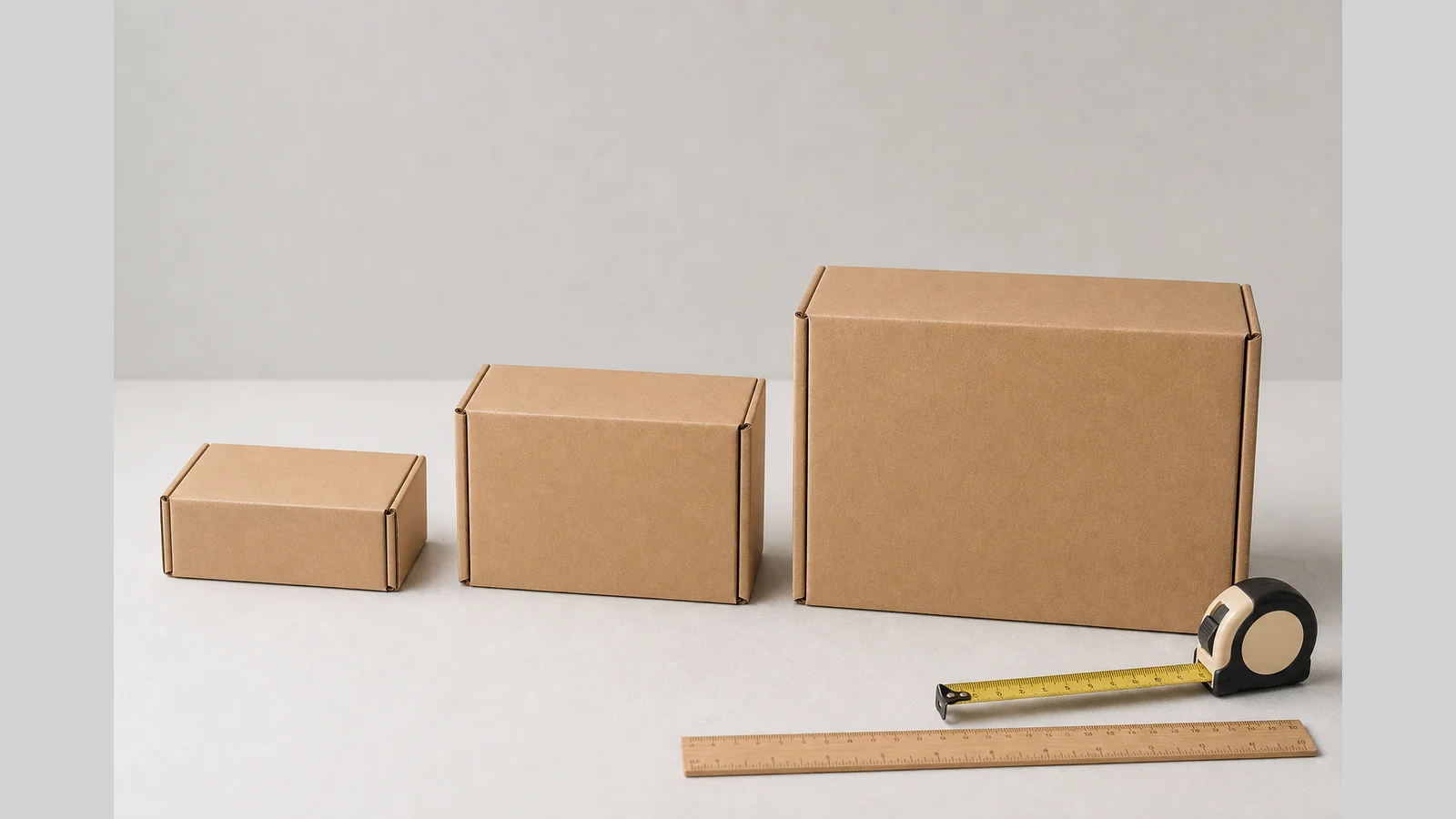
Start by deciding which dimensions you need. Outer dimensions describe the space a carton occupies on a shelf, pallet, or truck — measure at the longest points including corrugated thickness. Inner dimensions describe product clearance inside the box. For shipping volume, pallet planning, and warehouse slotting, outer dimensions are the standard input.
In imperial units, volume in cubic inches is L × W × H when all three are in inches. To get cubic feet, divide cubic inches by 1,728 because one cubic foot equals 1,728 cubic inches. Example: a 12 × 9 × 4 inch mailer has 432 cubic inches, which equals 0.25 cubic feet. That single number connects product design to carrier DIM weight and storage cost.
In metric units, convert each dimension to centimeters or meters first, then multiply. Alternatively, calculate cubic inches and convert: one cubic inch ≈ 0.016387 liters; one cubic meter ≈ 35.314 cubic feet. Our carton volume calculator accepts inches, centimeters, or millimeters and normalizes internally so global teams do not maintain separate spreadsheets.
Volume is not the same as weight. A dense glass jar and a fluffy apparel set can share similar outer cartons but differ radically in scale weight. Volume answers how much space you consume. Pair this tool with our DIM weight calculator when you need chargeable weight for FedEx, UPS, or USPS.
Document volume on your spec sheet alongside flute type, board grade, and print method. When you change inner dimensions by even half an inch for easier packing, re-run volume — small changes compound across pallets and containers. Finance teams use cubic feet per SKU to allocate warehouse rent; operations uses boxes per pallet for inbound planning.
Common mistakes include mixing units (multiplying inches by centimeters), using product dimensions instead of outer carton dimensions, and forgetting that bulging sides or exterior labels can exceed nominal box size at the carrier hub. When in doubt, measure the packed, taped carton ready to ship.
Keep a screenshot or share link of each approved SKU volume in your packaging library so merchandising, finance, and ops reference the same numbers during promos, bundles, and marketplace listing updates.
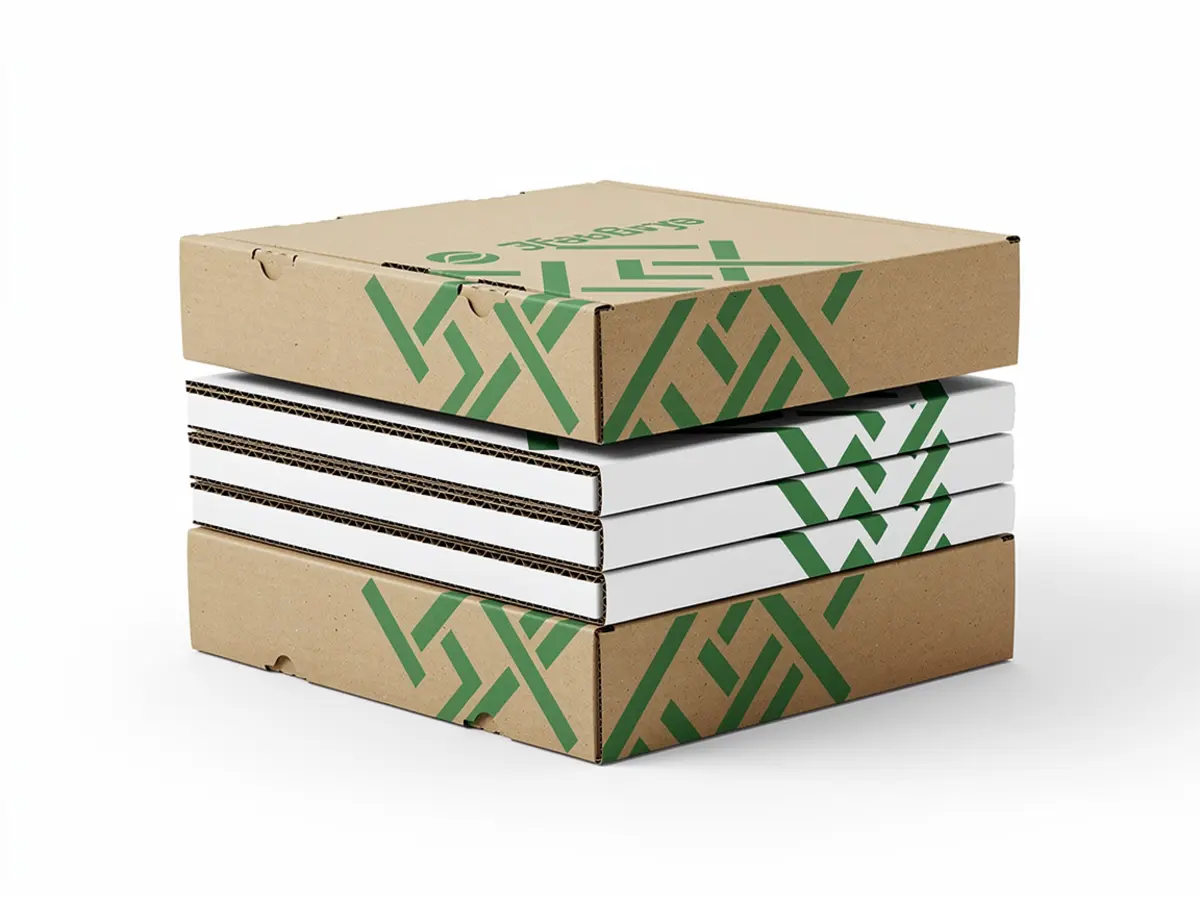
For brands launching new SKUs, run volume on two or three candidate box sizes before ordering print plates. The winning size balances product protection, unboxing experience, and logistics cost. Volume per unit times annual order volume equals total cubic feet you will move through your supply chain this year.
Engineering teams sometimes receive dimensions as internal usable space while logistics needs outer cube. Publish both on the BOM and convert explicitly — never assume wall thickness is negligible on heavy double-wall shippers where corrugated adds measurable girth on every face.
Retailers and marketplaces increasingly ask for cube data in vendor portals. Having accurate cubic feet per master case speeds compliance reviews and prevents chargebacks when inbound cartons exceed declared dimensions. Store calculator share links in your item master so updates propagate when packaging engineering revises a dieline.
Teaching new hires to calculate volume consistently prevents costly assumptions. A common shortcut — estimating cube from the largest dimension cubed — overstates volume for flat mailers and understates nested sets. Always multiply all three orthogonal dimensions once they are measured on the same unit scale.