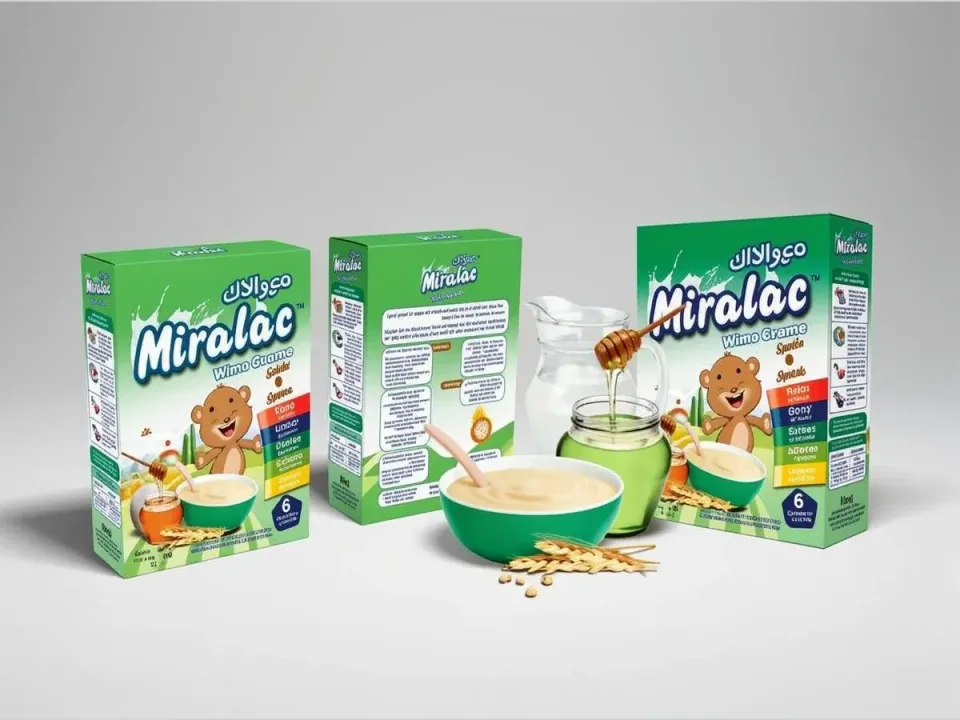
Standard cereal box sizes for US retail typically measure about 12“ × 8“ × 2.5“ (length × width × depth) for a standard family carton, though exact cereal box dimensions vary by fill weight, product density, and retailer planogram requirements. This guide covers measurements of cereal box formats, cereal box cardboard specs, and how to spec custom cereal box programs for CPG and private-label brands. BoxYourBrand produces end-to-end custom packaging for ecommerce and retail brands.
For product pages and MOQ tiers, see custom cereal boxes. For general box sizing methodology, read the standard packaging dimensions guide.
Standard cereal box dimensions (inches)
| Format | Approx. L × W × D | Typical fill | Common use |
|---|---|---|---|
| Standard retail | 12“ × 8“ × 2.5“ | 12–18 oz | Grocery shelf, club adjacent |
| Family size | 14“ × 10“ × 3“ | 18–24 oz | Value shoppers, larger households |
| Single-serve | 4“ × 3“ × 1.5“ | 1–2 oz | Hospitality, sampling, kids packs |
| Club / bulk | 16“ × 12“ × 4“ | 24 oz+ | Warehouse clubs, multi-pack |
These are industry norms — not legal standards. Your size of cereal box should match product volume plus headspace for settling during transit. Undersized cartons bulge at glue seams; oversized boxes waste board and shelf facings. Browse folding cartons for format specs and MOQ tiers.
Use the box size calculator to translate product weight and bulk density into outer dimensions of a cereal box before requesting a dieline.
Cereal box sides and panel layout
Cereal box sides and panels serve different jobs on shelf:
| Panel | Typical content |
|---|---|
| Front | Brand, product name, hero photography |
| Back | Nutrition facts, ingredients, UPC |
| Left / right sides | Brand story, promotions, certifications |
| Top / bottom | Barcodes, lot codes, recycling marks |
When you order printed cereal boxes, artwork must account for glue flaps and tuck tabs — our team reviews bleed and panel registration before digital proof. Related formats include custom plastic packaging.
Cereal box cardboard and board grades
Cereal box cardboard is food-grade folding carton board, not shipping corrugated:
- SBS (solid bleached sulfate) — Bright white print surface; standard for colorful CPG brands
- Kraft paperboard — Natural, eco-positioned look; pairs with soy-based inks
- Recycled content board — Meets sustainability claims when certified and labeled correctly
Cardboard cereal box programs typically use 18pt–24pt board with optional grease-resistant or moisture-barrier coatings for products with nuts, oils, or humid storage conditions.
Custom cereal box sizing workflow
- Define fill weight — Net weight drives interior volume.
- Add headspace — 5–10% clearance prevents seam stress.
- Confirm shelf depth — Match category facings (often 8“–10“ depth on standard gondola).
- Request dieline — We produce a flat template for artwork placement.
- Proof and sample — Validate fit with cereal box samples before production plates.
Share your target cereal box dimensions in inches and monthly volume when you get a cereal box quote.
When to choose cereal cartons vs shipper boxes
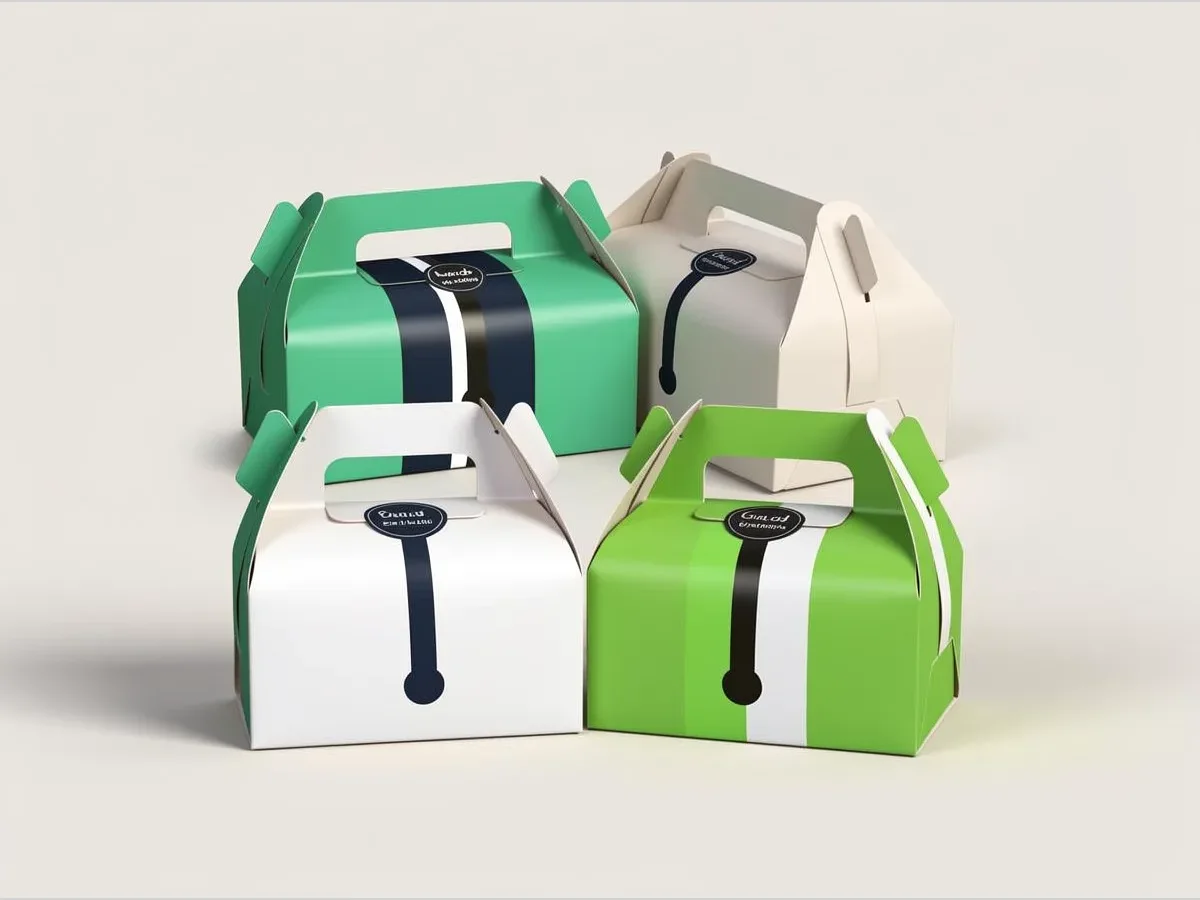
Retail cereal cartons are folding cartons for shelf display. Ecommerce and club programs may add corrugated shippers for case packs. Pair food packaging formats when you run multi-SKU breakfast or snack lines from one supplier.
Order custom cereal boxes
Ready to spec custom cereal box packaging for retail or DTC? Request a free quote with your dimensions, board preference, and print coverage — or browse cereal boxes for styles, materials, and FAQs.
Setting cereal box dimensions that face well
Cereal and similar cartons win on consistent height across flavors and enough panel space for nutrition. Size from product volume plus headspace, then lock a family height.
| Spec | Tip |
|---|---|
| Height family | Keep facings aligned |
| Depth | Match bag or liner |
| Panels | Nutrition + brand |
| Board | Caliper for stack |
Cereal carton sizing checklist
- Measure filled liner or bag, not empty ideas.
- Lock a shared height across flavors.
- Soft-proof nutrition panels early.
- Confirm case-pack for warehouse.
- Test shelf lean on tall skinny footprints.
Food-contact and transit notes for cereal cartons
Most cereal cartons are secondary to a bag — still use food-appropriate inks and confirm if any direct contact exists. Shipping cases need crush strength for pallet stacks.
Cereal sizing pitfalls
- Unique heights per flavor that look messy on shelf
- Nutrition type that wraps folds
- Under-boarded cartons that crush in cases
Size your cereal carton family
Share bag dimensions and flavor count. We will set a dimension system and MOQ for cereal-style cartons that face cleanly.
Facing rhythm across cereal flavor lines
Consistent height across flavors makes planograms look intentional. Depth follows liner volume; do not shrink depth until the bag is measured.
Soft-proof nutrition early. Share liner sizes and flavor count when quoting cereal-style cartons so the dimension family stays coherent.