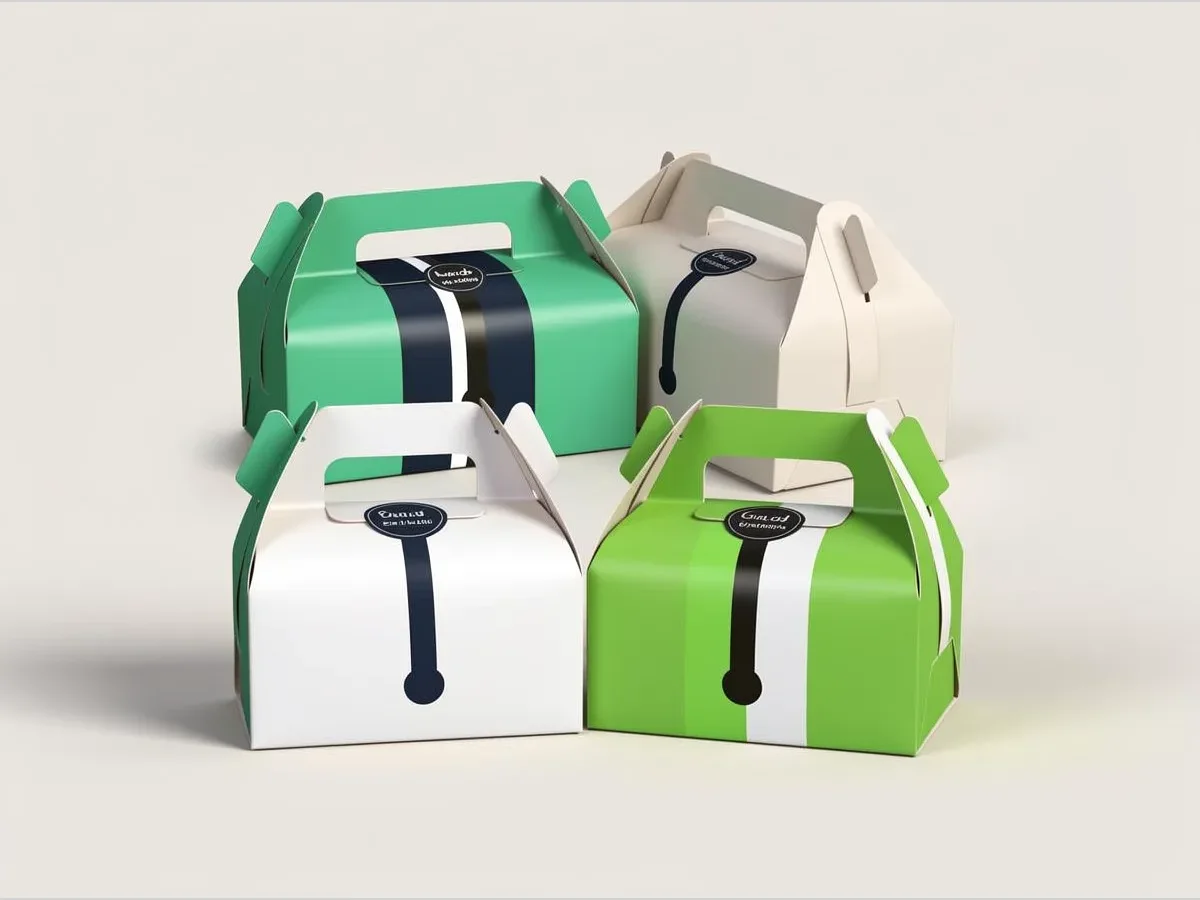
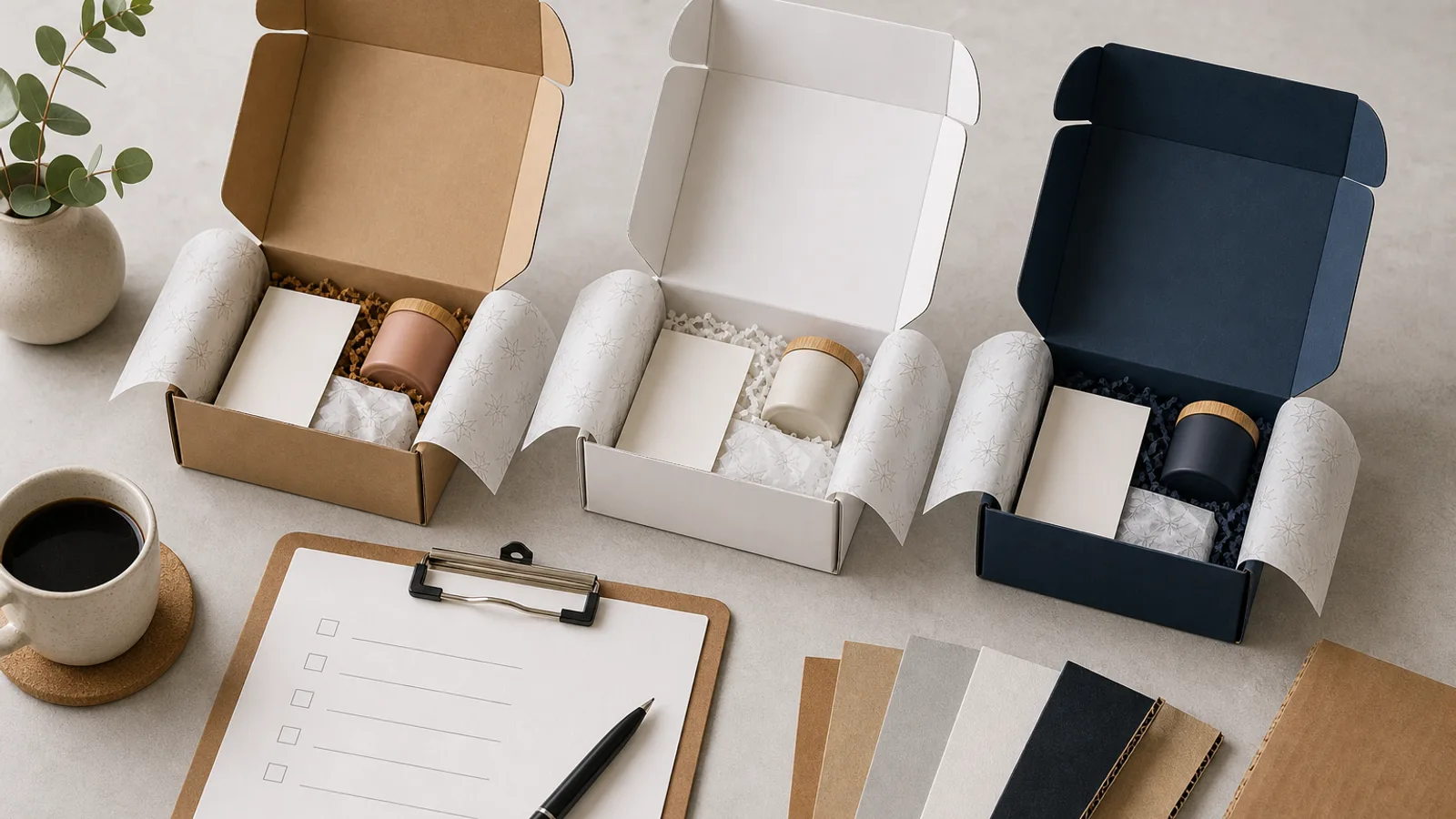
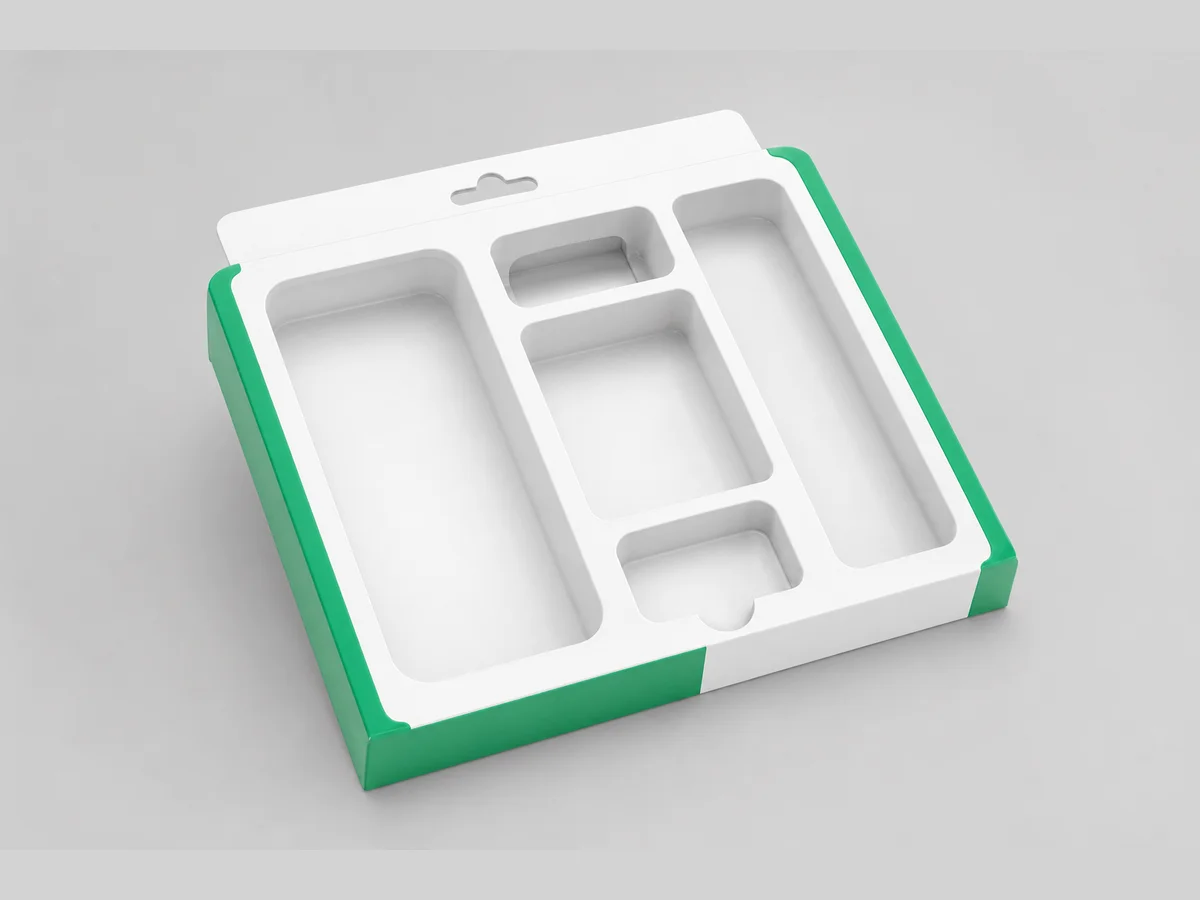
Custom sleeve boxes are printed paperboard wraps that slide over an existing tray, bottle, or folding carton — giving you full retail graphics without redesigning the primary pack for every promotion. Sleeve boxes (also called belly bands, full-wrap sleeves, or product bands) are the fastest way to launch twin packs, seasonal SKUs, and club-store multi-buys when your base carton inventory stays constant. BoxYourBrand produces custom printed sleeves for CPG, beverage, beauty, and gift programs.
This guide covers sleeve styles, sizing inputs, print finishes, and when wrapping beats a new carton dieline.
Key takeaways
- Sleeves add promotional or multi-pack art while the base pack stays in inventory.
- Full-wrap sleeves maximize billboard area; partial sleeves expose kraft or window zones.
- Friction fit requires accurate circumference measurements — share physical samples when quoting.
- Sleeve MOQs are often lower than full carton redesigns for short promo windows.
What is a custom sleeve box?
A sleeve box is not a six-panel carton — it is a printed wrap, usually SBS or kraft paperboard, that friction-fits over a stable base structure. The base might be a folding carton, a corrugated tray, a bottle cluster, or a rigid inner box. The sleeve carries brand front, claims, UPC barcodes, and promo copy while the base handles product contact and structural integrity.
Sleeves excel when pack count or seasonal artwork changes frequently but the primary sell unit does not. A skincare brand might keep one serum carton dieline year-round and swap sleeve art for holiday gift sets. A beverage line might band four cans with a printed sleeve for a summer LTO without retooling the single-can label pack.
Sleeve styles compared
| Style | Best for | Print area | Base visibility |
|---|---|---|---|
| Full-wrap sleeve | Twin packs, club bands, gift sets | Maximum circumference + height | Minimal — base hidden |
| Partial / belly sleeve | Promo multi-buy on stable carton | Front and side panels | Base color or window visible |
| Tapered bottle sleeve | Jars, bottles, tubes | Label-height zone | Neck and cap often exposed |
| Tray sleeve | CPG twin packs in corrugated tray | Full tray perimeter | Tray walls support structure |
Pair sleeve programs with retail display boxes when the bundled pack also needs counter or floor presentation. Read the folding cartons & tuck boxes guide for tray-and-sleeve construction basics.
Sizing and fit
Sleeve fit failures show up as torn graphics on removal, sliding bands in transit, or crushed corners at club-store handling. Engineering needs:
- Circumference at the widest point of the base (measure twice on tapered bottles).
- Sleeve height — full-wrap vs partial belly band.
- Board caliper — heavier SBS resists scuffing; kraft supports eco claims.
- Sample base units — CAD or physical samples beat spec-sheet guesses for friction fit.
If you are still choosing board wraps versus industrial film, read paperboard sleeves vs stretch film before you quote — that comparison clarifies material intent; this guide covers custom sleeve box types and sizing.
Use the box size calculator to document base carton dimensions before requesting sleeve quotes. Order sleeve samples to validate fit before locking print plates.
Print finishes and compliance
Sleeves accept gloss or matte lamination, foil accents on logo zones, die-cut windows, and spot UV. Packaging sleeve printing on SBS or kraft paperboard carries brand front, claims, and UPC barcodes — reserve back panels for nutrition facts, net weight, and retailer-specific copy without crowding the brand front (the same panel discipline as cosmetic cartons).
For food-contact programs, confirm whether the sleeve touches product directly or only the outer tray. Indirect-contact sleeves still need accurate allergen and ingredient panels when they carry primary label copy.
When sleeves beat new cartons
Choose sleeves when:
- Promo windows are short — 90-day LTOs do not justify new carton tooling.
- Pack count varies by retailer — twin at grocery, four-pack at club, single online.
- Base inventory is stable — one primary carton, many sleeve SKUs.
- Budget favors art swaps — sleeve plates cost less than full carton dieline changes.
Choose a new folding carton when the product geometry changes, child-resistant features are required, or the primary pack itself needs structural redesign.
Ordering custom sleeve boxes
Share base dimensions, sleeve style (full vs partial), print coverage, quantity tiers, and ship date. Attach sample bottles or cartons when taper or friction fit matters. Use the quote wizard to compare MOQ breakpoints.
Explore multi-pack cartons when your program needs tray-and-sleeve combinations for club and retail bundles.