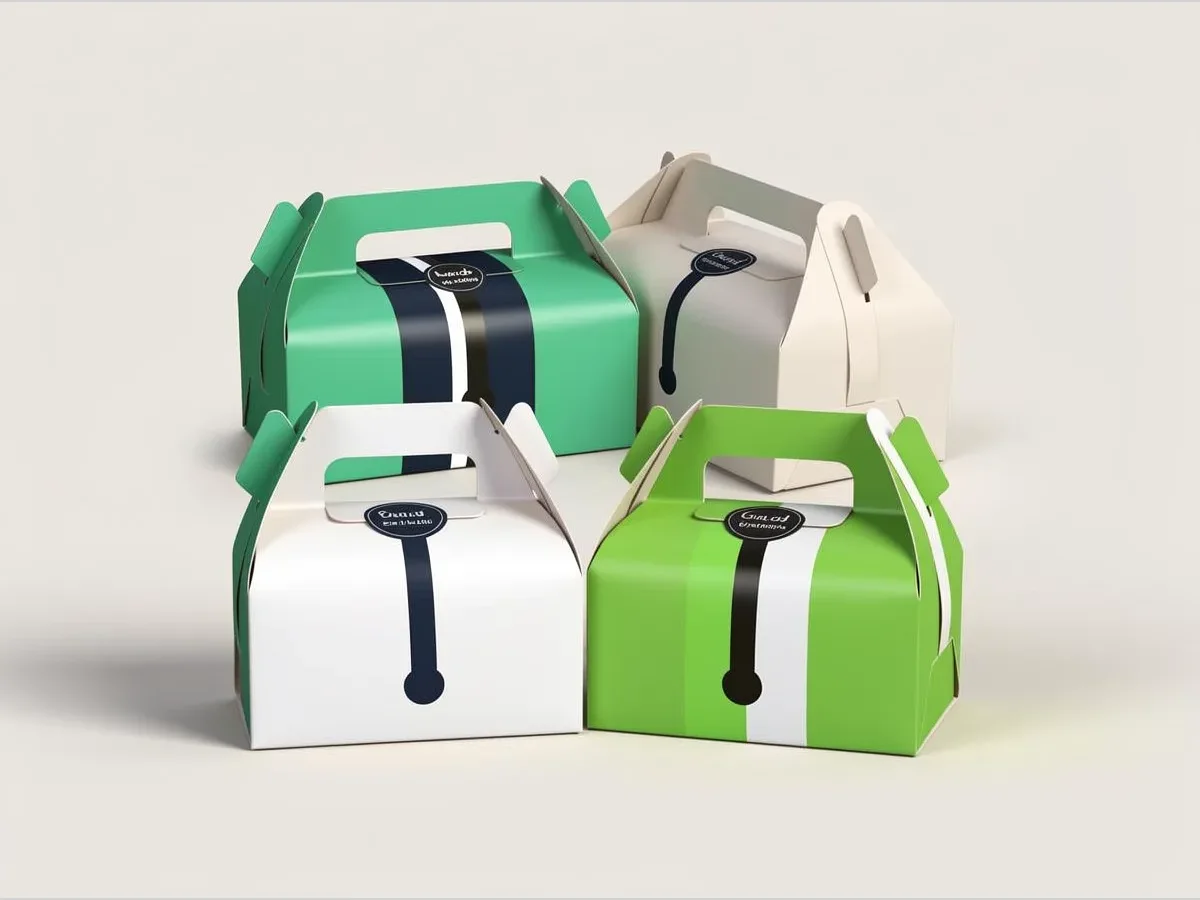
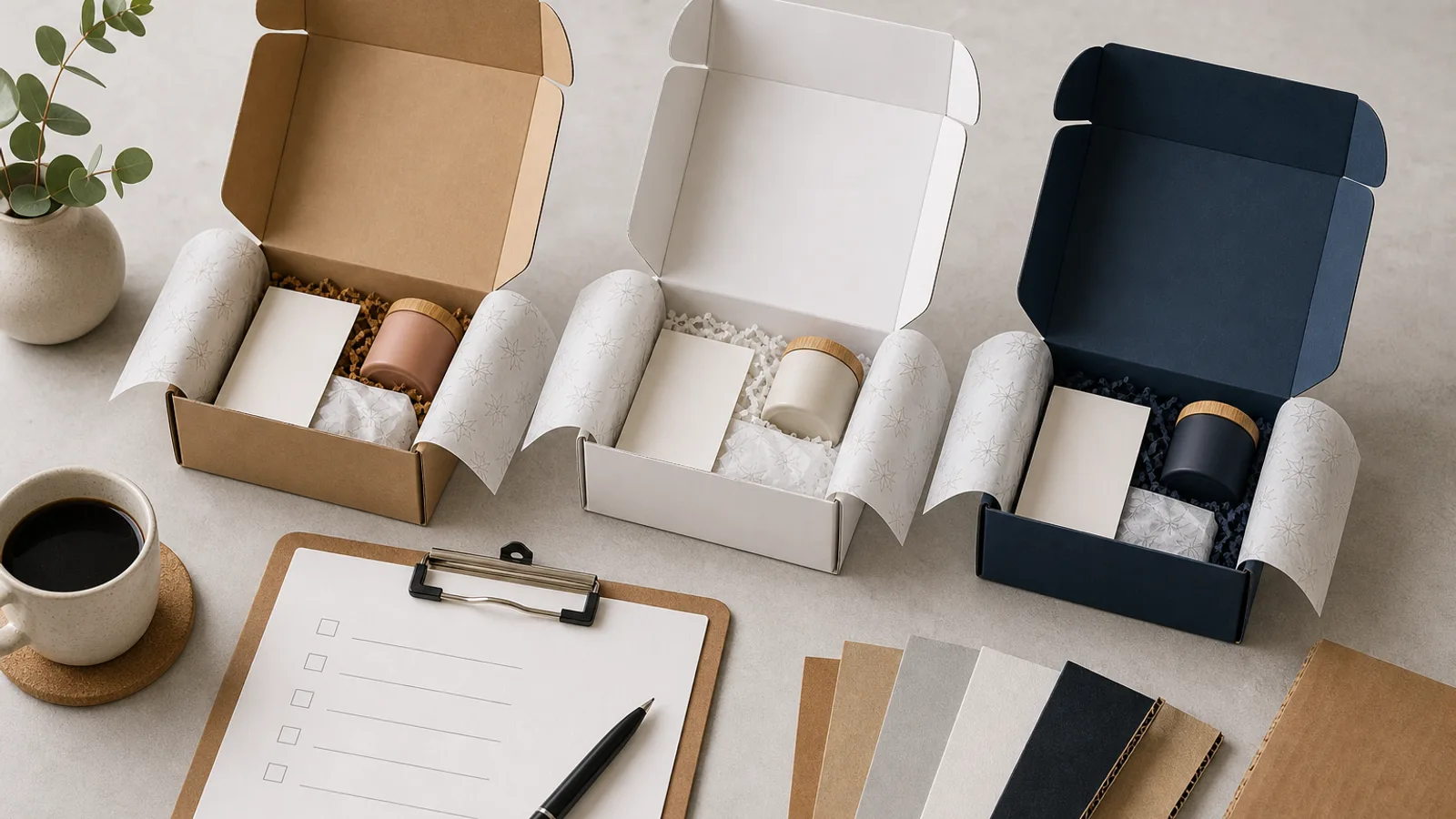
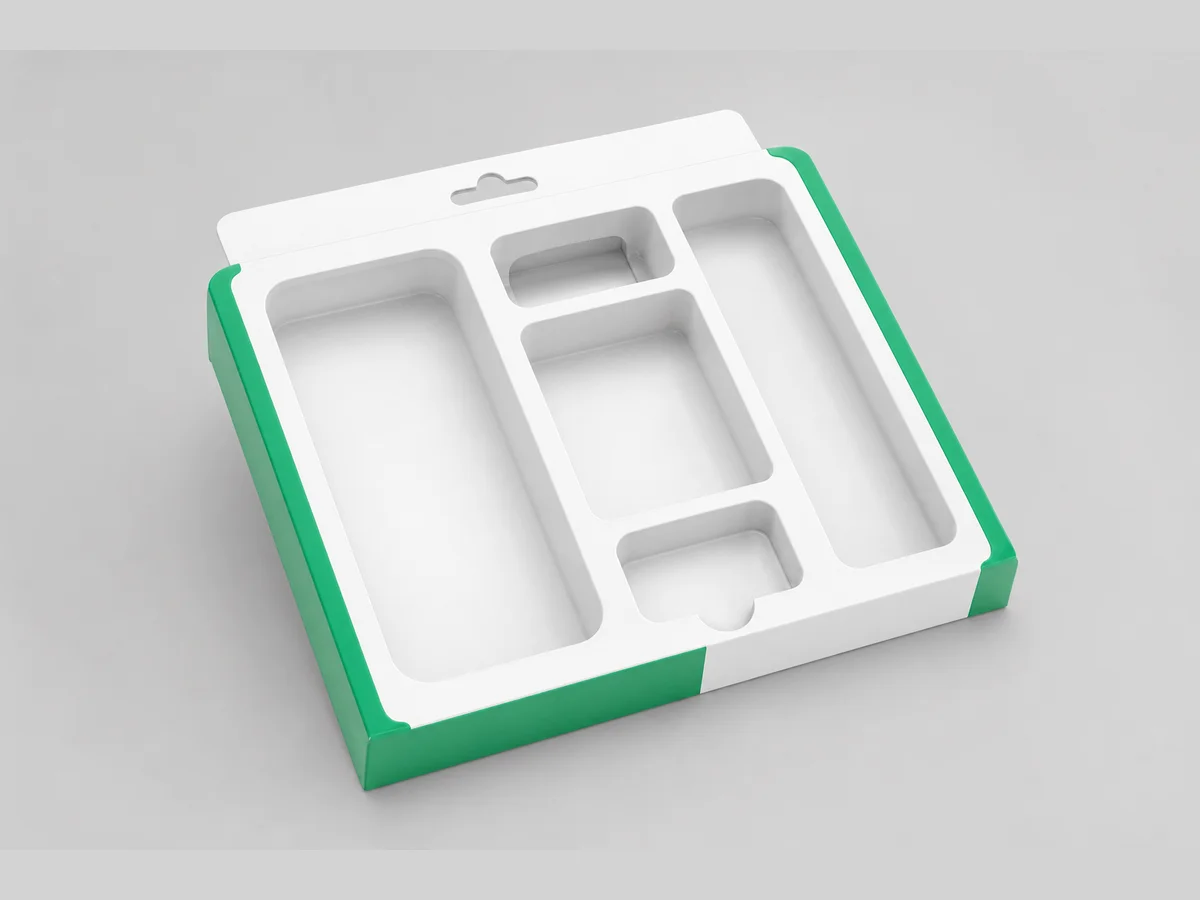
Multi-pack cartons bundle two or more sell units into one shelf-ready SKU — twin packs at grocery, four-count bands at club, and promo trays at convenience retail. For CPG brands, multi-packs increase average basket value and meet retailer pack-count requirements without maintaining separate primary cartons for every configuration. BoxYourBrand produces custom printed sleeves, folding cartons, and corrugated shipping boxes for multi-pack programs.
This guide compares multi-pack formats, sizing for planograms, and when to spec trays, sleeves, or full cartons.
Key takeaways
- Multi-packs combine stable primary cartons with tray, sleeve, or outer carton structures.
- Club and retail buyers spec footprint, ECT, and barcode zones — share planogram sheets early.
- Tray-and-sleeve handles heavier bundles; belly bands suit lightweight twin packs.
- Pilot MOQs of 250–1,000 are common; club economics favor 5,000+ unit runs.
What are multi-pack cartons?
A multi-pack carton is any retail structure that sells more than one consumer unit as a single stock-keeping unit. Formats include:
- Tray-and-sleeve — Corrugated or SBS tray holds units; printed sleeve wraps the bundle.
- Banded twin pack — Belly sleeve over two existing folding cartons.
- Corrugated outer — Master carton with perforations for shelf-ready display (SRP).
- Club wrap — Full-wrap sleeve or band over 4–12 count configurations.
The primary sell unit often stays unchanged. Multi-pack layers add billboard print, UPC for the bundle, and structural support for handling at distribution centers.
Format comparison
| Format | Best for | Structure | Typical MOQ |
|---|---|---|---|
| Tray-and-sleeve | Food, beverage, beauty twin packs | Tray + full-wrap sleeve | 250–2,500 |
| Belly band | Promo multi-buy on stable carton | Partial sleeve only | 500–2,500 |
| SRP shipper display | High-volume CPG, planogram trays | Perforated corrugated outer | 1,000–10,000 |
| Club band | 4–12 count beverage, snacks | Full-wrap sleeve on tray | 2,500–10,000 |
Explore retail CPG packaging for buyer requirements and category norms. Pair inner units with food packaging or cosmetic boxes as appropriate.
Sizing for retail and club
Multi-pack failures at retail usually trace to footprint — not print. Buyers reject trays that exceed planogram depth or barcodes placed on glue flaps.
Document before quoting:
- Units per pack and orientation (side-by-side vs stacked).
- Retailer planogram — facing width, depth, and height limits.
- Barcode zone — GS1 placement on the sleeve or outer, not obscured by perforations.
- Weight and ECT — club pallets stack higher; specify burst or edge crush for master shippers.
Use the box volume calculator to confirm outer cube before committing to club-store bands. Read shelf-ready displays & planograms for SRP conversion specs.
Print and regulatory panels
Multi-pack sleeves carry the bundle UPC, unit count, combined net weight, and often price-point callouts for club. Nutrition and ingredient copy may reference individual units inside — confirm with your regulatory team whether the outer needs full duplicate panels or a “see individual unit” reference.
Food programs should align coated board and barrier specs with FDA food packaging requirements on any direct-contact tray surfaces.
MOQ and launch workflow
Most brands pilot one multi-pack SKU — a twin at grocery or a four-count at club — before extending the dieline to line extensions.
- Lock primary carton dieline and sample units.
- Engineer tray or sleeve fit with physical samples.
- Submit artwork with bundle UPC and retailer panel layout.
- Run fit sample before full MOQ production.
- Scale to additional pack counts once the primary passes buyer review.
Request a multi-pack quote with tray dimensions, unit count, and retailer target. See club store multi-pack guide for warehouse-club-specific specs.