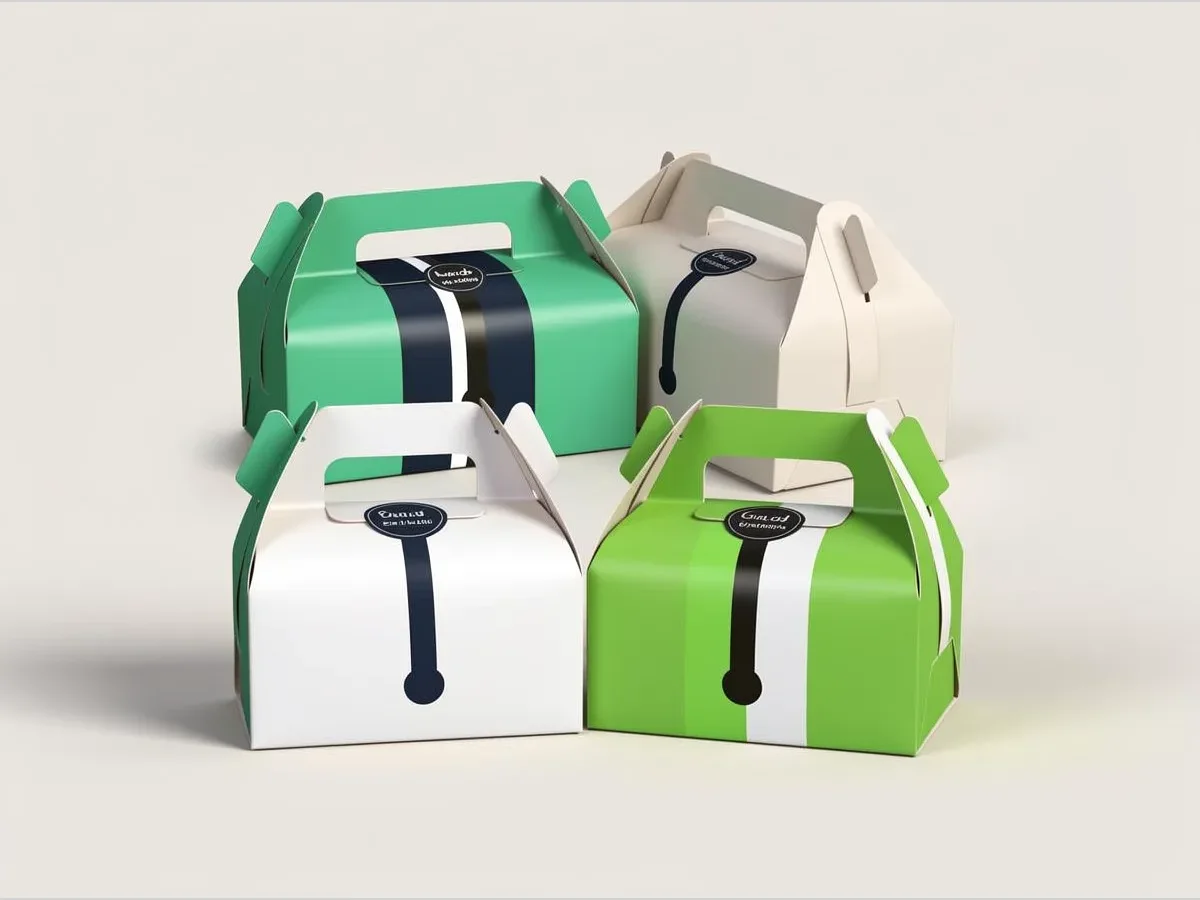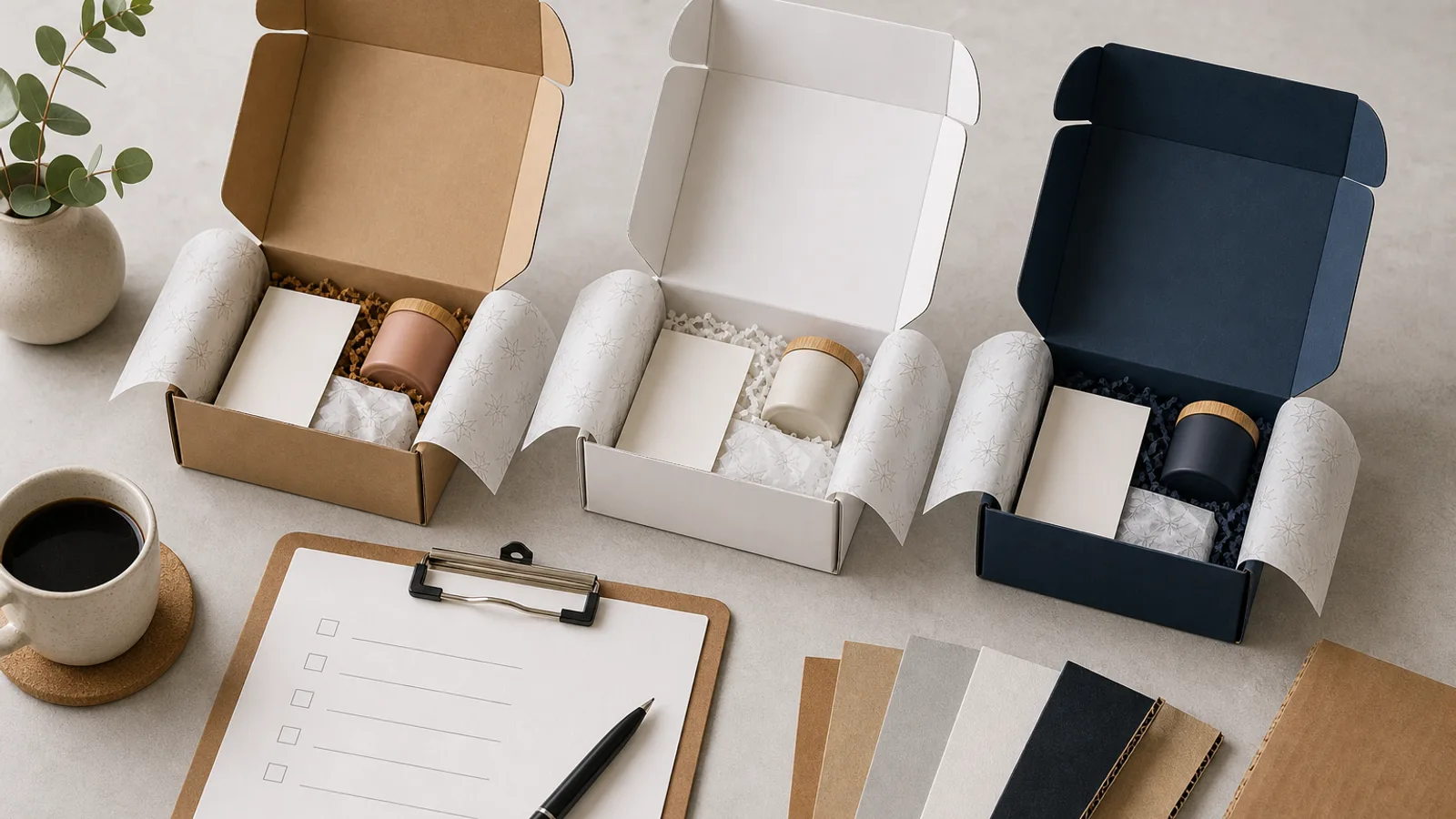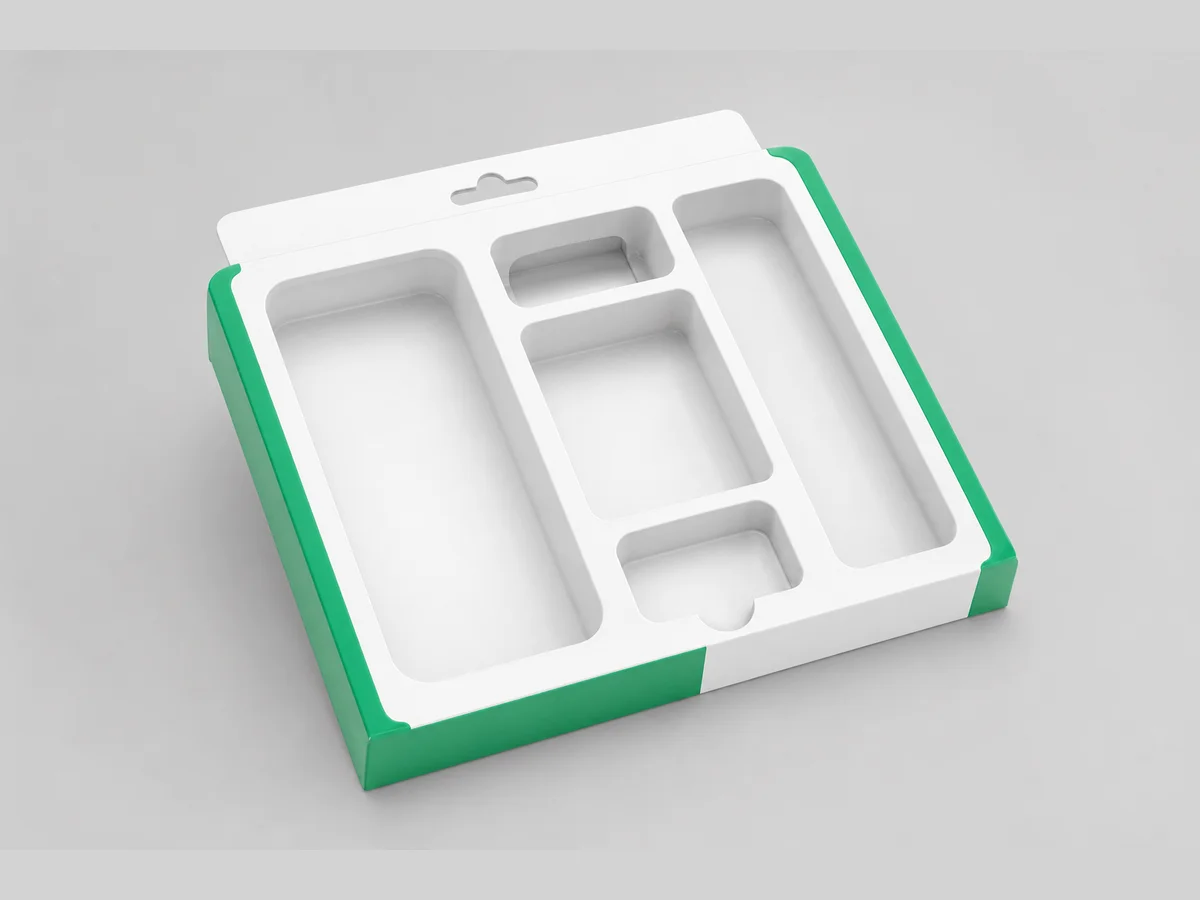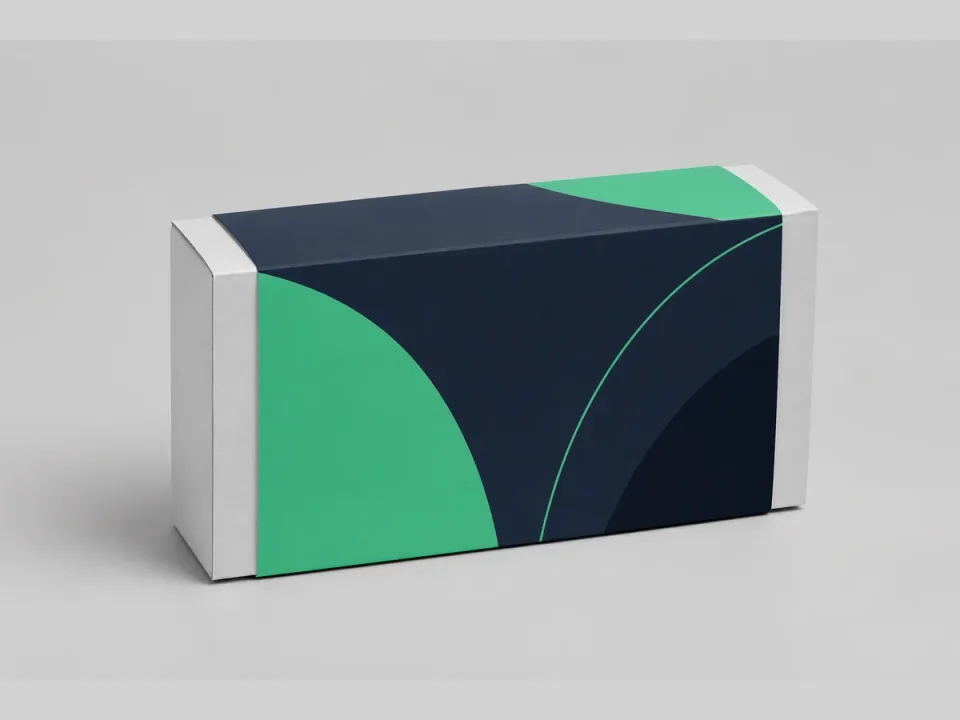
If you searched for custom printed sleeves and landed on results about polyethylene, LLDPE, or stretch film, you are not alone — “sleeve” means different things in packaging. Industrial buyers mean machine-applied film that unitizes bottles or pallets. Retail and CPG buyers usually mean a paperboard product-wrap sleeve: a printed cardboard band or full wrap that slides over a tray, carton, bottle, or jar.
Ordering the wrong type wastes a quote cycle. This guide separates paperboard product sleeves from stretch and LLDPE film so you can brief the right supplier the first time. BoxYourBrand produces custom printed sleeves as paperboard and kraft product wraps — not industrial stretch film. For tray-and-sleeve construction detail, see the custom sleeve boxes guide.
Key takeaways
- Paperboard product sleeves = friction-fit cardboard/SBS/kraft wraps for retail graphics and multipacks.
- Stretch / LLDPE sleeve film = flexible film for bundling, unitizing, or high-speed wrapping — different product, different vendors.
- Search queries like “custom printed LLDPE sleeve” or “stretch sleeves” usually do not match a paperboard packaging quote.
- Choose paperboard when print quality, seasonal art, and shelf presentation matter.
- Choose film when machine speed, moisture barrier, or pallet unitizing matter.
- Quote paperboard sleeves with base-pack dimensions (or multi-height bottle circumference), not film gauge alone.
Quick answer: which sleeve do you need?
| If you need… | Choose | Typical buyer |
|---|---|---|
| Full-color retail wrap over an existing tray or carton | Paperboard product sleeve | CPG, beauty, gift, beverage multipacks |
| Seasonal or promo art without a new primary dieline | Paperboard product sleeve | Brand/marketing teams |
| Machine-applied film to bundle bottles or cans at speed | Stretch / shrink / LLDPE film | Operations / co-packer |
| Pallet or load unitizing film | Stretch wrap (industrial) | Warehouse / logistics |
| Adhesive graphics stuck to a bottle or jar | Pressure-sensitive label | Production / labeling |
If your brief mentions friction fit, belly band, full-wrap sleeve, multipack sleeve, or tray sleeve, you want paperboard. If it mentions gauge, LLDPE, stretch hood, shrink tunnel, or roll stock, you want film — and a different category of supplier.
What paperboard product-wrap sleeves are
A paperboard product sleeve is a printed wrap cut from SBS, kraft, or recycled board. It slides over a base pack and stays in place by friction (sometimes with a light lock or tear strip). Common jobs:
- Twin packs and club-store multipacks over stock trays
- Seasonal graphics while the primary carton stays in inventory
- Bottle or jar bands for promotional offers
- Gift presentation over a plain inner box
Print can run full-bleed CMYK with optional foil, spot UV, or die-cut windows. Fit is engineered from the base pack’s footprint or from bottle circumference at several heights.
These are the sleeves on BoxYourBrand’s custom printed sleeves page. They sit next to folding cartons as retail presentation tools — not next to stretch-film catalogs.
What stretch and LLDPE sleeve film are
Stretch film and LLDPE (linear low-density polyethylene) sleeve film are flexible plastic products. They stretch or shrink around products or loads. Buyers specify film properties (gauge, cling, clarity, machine direction) and often run film on automated equipment.
Typical uses:
- Bundling multipacks on a packaging line
- Protecting products from dust or scuff in transit
- Unitizing cases or pallets in the warehouse
- Shrink bands for tamper evidence on bottles (a related but distinct film format)
Film sleeves can be printed, which is why search queries say “custom printed LLDPE sleeve” or “custom printed stretch sleeves.” That print is usually process-specific to film converting — not the same as litho or digital print on paperboard for retail shelf impact.
BoxYourBrand does not produce industrial stretch or LLDPE sleeve film. If film is what you need, source a film converter or stretch-wrap supplier. If you need adhesive graphics instead of a wrap, see stickers and labels.
Side-by-side comparison
| Factor | Paperboard product sleeve | Stretch / LLDPE sleeve film |
|---|---|---|
| Best for | Retail graphics, multipacks, seasonal wraps, gift presentation | Machine bundling, unitizing, moisture/scuff protection |
| Structure | Rigid-ish board wrap; friction fit | Flexible film; stretch or shrink |
| Print goal | Billboard brand panels, photo-quality CMYK | Often simpler brand marks; film print systems |
| How you size it | Carton L×W×H or bottle circumference × height | Film width, gauge, roll specs, machine settings |
| Sustainability story | Often paper-recyclable when lightly finished | Plastic film; recycling access varies widely |
| Who quotes it | Custom packaging / folding carton supplier | Film converter / stretch wrap distributor |
| Typical decision owner | Brand, packaging design, retail ops | Operations, co-packer, warehouse |
When paperboard sleeves win
Choose cardboard product-wrap sleeves when:
- The pack must sell on shelf — Full-bleed graphics, campaign photography, or club-store billboard area.
- The primary carton should not change — You rotate flavors, holidays, or multipack counts with sleeves only.
- Unboxing or gifting matters — A printed sleeve over a kraft inner reads intentional.
- You need paper-forward sustainability language — Pair with guidance in the recyclable packaging guide.
- Volumes fit custom print MOQs — Promo and CPG runs commonly start in the mid-hundreds, not film-roll minimums measured in thousands of meters.
Beverage and beauty brands often combine a paperboard multipack sleeve with a beverage carrier or primary carton — sleeve for the offer, structure for the hold.
When stretch or LLDPE film wins
Stay with film when:
- Line speed is the constraint — Automated stretch or shrink application outruns hand-applied board sleeves.
- You are unitizing, not merchandising — Warehouse and transit protection, not shelf storytelling.
- Moisture or cling performance is required — Film properties paperboard cannot match.
- The SKU is film-native — Existing shrink tunnels, stretch wrappers, or co-packer SOPs assume film.
Do not force a paperboard quote into a film brief. Share machine type and film specs with a film supplier instead.
Buyer mistakes to avoid
- Sending an LLDPE film RFQ to a paperboard sleeve vendor — You will get a mismatch or a no-bid.
- Assuming “sleeve” always means shrink band — Ask for material (board vs film) in the first sentence of the brief.
- Skipping fit samples on tapered bottles — Paperboard circumference must be dialed; film stretch can forgive what board cannot.
- Using sleeves as a substitute for FPLA-compliant labels when regulatory copy must stay permanent on the primary pack.
- Over-laminating a “recyclable” paperboard sleeve — Finish choices can undermine the claim.
How to choose: decision framework
- Name the job — Shelf graphics / multipack offer, or machine bundling / unitizing?
- Name the material family — Paperboard or film?
- Confirm who applies it — Hand/pack station vs automated film equipment?
- List the base pack — Tray, carton, bottle, jar; send a sample when possible.
- Define print expectations — Photo-quality retail panels vs simple film logo.
- Set sustainability claims — Paper recycling vs plastic film end-of-life.
- Pick structure — Full-wrap, partial/belly, bottle band, or tray sleeve (paperboard path).
- Size correctly — Dimensions or multi-height circumference for board; gauge/width for film.
- Sample — Fit-test paperboard sleeves before full MOQ via sleeve samples.
- Quote the right category — Paperboard sleeves → packaging converter; film → film supplier.
What to include in a paperboard sleeve quote
When you request a free packaging quote for product-wrap sleeves, include:
- Base pack type and dimensions (or bottle circumferences at multiple heights)
- Sleeve style (full-wrap, partial, bottle band, tray sleeve)
- Pack count for multipacks
- Board preference (SBS, kraft, recycled)
- Print and finish notes (and laminate limits if recycling claims matter)
- Quantity tier and in-hands date
- A note that you need paperboard product sleeves, not stretch/LLDPE film — removes ambiguity immediately
For custom sleeve box types and sizing (full-wrap vs belly vs tray), use the custom sleeve boxes guide and folding cartons guide.
Common questions
What is a paperboard product sleeve?
A printed cardboard wrap that slides over an existing pack for branding or multipacking. It is a packaging format, not industrial film.
Are custom printed sleeves the same as LLDPE stretch sleeves?
No. Same word, different materials and suppliers. Clarify “paperboard” vs “film” before you send drawings.
When should I use a paperboard sleeve instead of stretch film?
When retail presentation and print quality drive the decision. Use film when machine application and unitizing drive the decision.
Can paperboard sleeves replace labels?
For promos and multipacks, often yes. For permanent regulatory labeling on high-speed lines, labels usually remain the better tool — see custom packaging stickers and labels.
What measurements do I need to quote paperboard sleeves?
Footprint or multi-height circumference, sleeve height, style, print, quantity, and a sample when the pack is tapered or irregular.
Do paperboard sleeves recycle?
Often yes when paper-forward and lightly finished. Confirm finishes against your claim; read the recyclable packaging guide.
Conclusion
“Sleeve” is an overloaded term. If you need shelf-ready graphics and multipack wraps, you want paperboard product sleeves. If you need stretch or LLDPE film for bundling and unitizing, you want a film specialist — not a folding-carton quote.
Explore custom printed sleeves, review fit details in the sleeve boxes guide, then order samples or request a free packaging quote with “paperboard product wrap — not stretch film” in the notes.