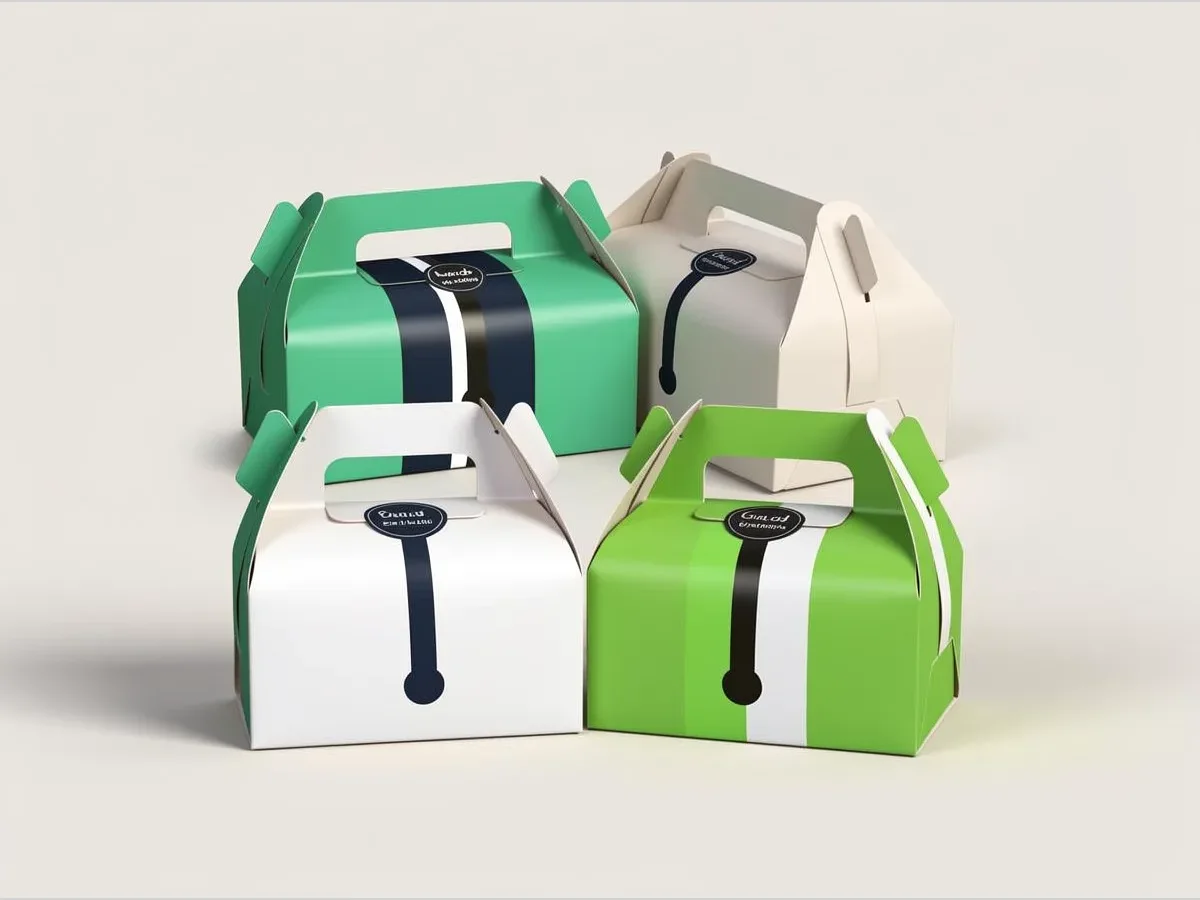
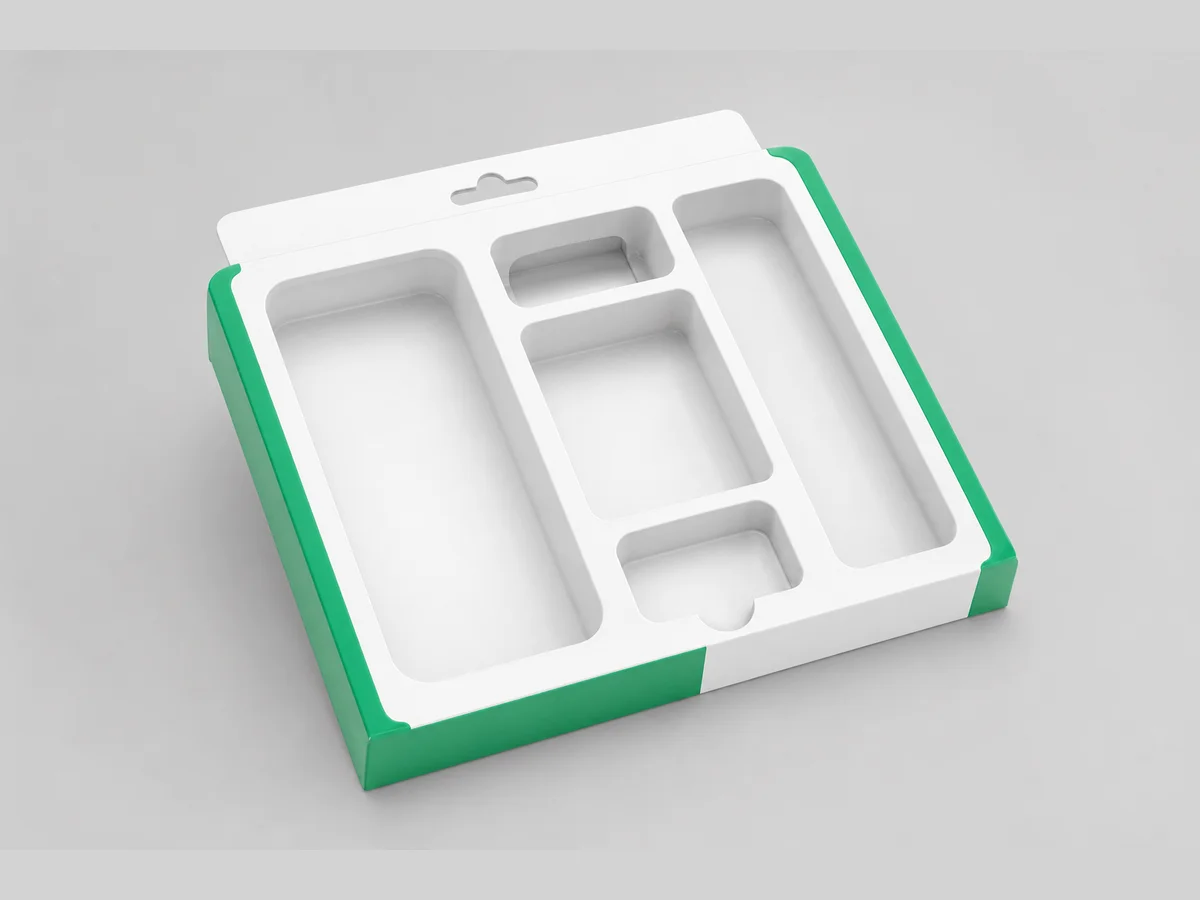
Planogram display packaging is engineered to fit a retailer’s shelf slot, facing count, and scan compliance rules — not just to look good in a brand presentation. Buyers reject displays that exceed planogram depth, hide UPCs behind perforations, or require labor-intensive rework at the store. Shelf-ready packaging (SRP) and planogram-ready trays convert from shipper to sellable display with minimal stocker time, reducing out-of-stock facings and chargebacks. BoxYourBrand produces retail display boxes and corrugated shipping boxes for SRP and POP programs.
This guide covers planogram specs, display formats, and buyer compliance checkpoints.
Key takeaways
- Planogram specs define facing width, depth, height — share buyer sheets when quoting.
- Barcodes belong on stable panels with GS1 quiet zones — not glue flaps or tear lines.
- SRP shipper displays reduce in-store labor; counter units capture impulse facings.
- Litho-lam and digital print both used — MOQ drives method selection.
What is planogram display packaging?
A planogram is the retailer’s schematic for product placement on shelf — how many facings, what depth, what height clearance. Planogram-ready packaging matches those dimensions so product slides into assigned slots without repacking.
Formats include:
- SRP perforated shipper — Outer corrugated converts to tray at store (retail display packaging programs)
- Pre-loaded shelf tray — Product inserted at DC or co-packer
- Counter display unit (CDU) — Smaller impulse footprint
- Power wing / sidekick — Attached to main aisle bay
Read shelf-ready cardboard displays planogram and custom cardboard display boxes retail for related workflows.
Buyer spec checklist
Document before structural design:
| Input | Why it matters |
|---|---|
| Facing width × depth × height | Slot fit |
| Units per display | Weight and ECT |
| Pallet pattern | Master shipper strength |
| UPC placement | Scan compliance at DC and store |
| Tear/perforation location | Stocker conversion steps |
| Retailer class (grocery, drug, club) | Different planogram norms |
Explore retail CPG packaging for category buyer context.
Display format selection
| Format | Best for | Footprint |
|---|---|---|
| SRP shipper display | CPG volume, warehouse clubs | Full shelf bay |
| Counter CDU | Impulse, checkout adjacency | Small footprint |
| Floor stand | High-volume promo | Aisle endcap |
| Peg hook card | Hanging small SKUs | Vertical facing |
See cardboard POP displays impulse sales for impulse strategy.
Print, structure, and ECT
Display outers often use litho-lam for photographic shelf impact at volume — digital vs offset print MOQ guide. Specify ECT on master shippers when pallet stack height demands — ECT vs Mullen guide.
Inner sell units may remain folding cartons or cosmetic boxes inside display cavity.
Common rejection reasons
- Barcode on perforation or glue flap
- Display exceeds planogram depth by fractions of inch
- Tear strip fails in dry winter store air — test perforation
- Outer shipper label misaligned with inner tray barcode (“orphan” scan events)
Engineer dielines with dieline bleed packaging guide panel discipline.
Ordering planogram displays
Share retailer spec PDF, units per display, annual volume forecast, and in-store conversion steps (photos help). Request retail display quote.
Pair club-store bands with club store multi-pack guide when displays ship multi-count outers.