Point-of-purchase packaging wins when shoppers see the brand and reach for the product in under three seconds. Cardboard POP display boxes make that possible at scale — without asking retailers for permanent fixture space. BoxYourBrand produces end-to-end custom packaging for ecommerce and retail brands.
This guide covers how to design POP display boxes for impulse sales: header hierarchy, product visibility, litho print quality, assembly, testing, and how counter, floor, and shelf-ready formats fit into one retail program. If you need a format comparison first, start with counter vs floor displays or the custom cardboard display boxes hub.
What Counts as a POP Display Box?
Validate board feel and print quality with packaging samples before locking production MOQ.
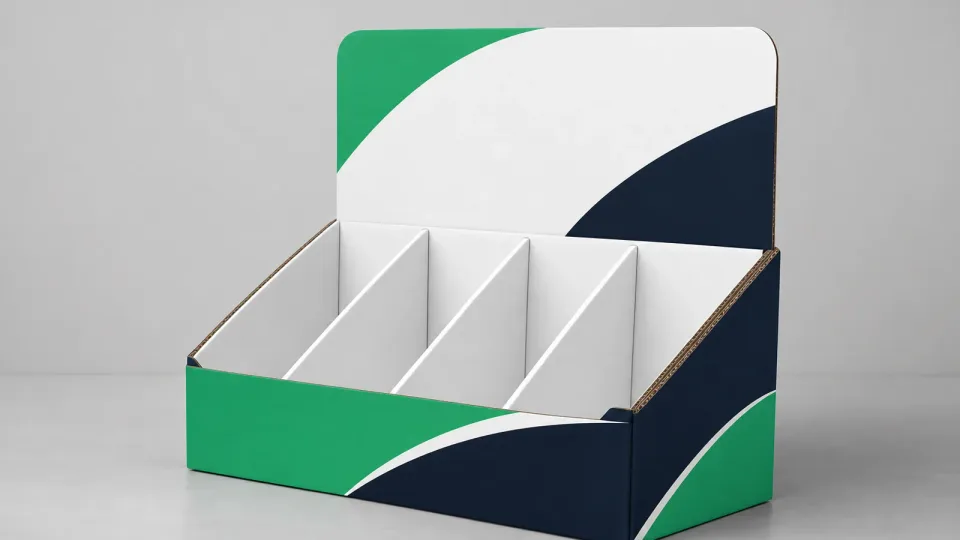
A POP (point of purchase) display box is a shopper-facing corrugated structure placed where buying decisions happen — checkout counters, pharmacy fronts, aisle ends, and temporary promotional floorspace. Unlike plain shipping cartons, POP units are engineered for graphics, product access, and fast in-store setup. Related formats include custom plastic packaging.
Common POP formats under custom retail display boxes include:
| Format | Typical placement | Impulse role |
|---|---|---|
| Counter display | Register, pharmacy counter | Last-second add-ons |
| Floor display / dump bin | Aisle, endcap, launch bay | Launch and seasonal volume |
| Dispenser / PDQ tray | Counter or mid-shelf | Single-unit pulls |
| Power wing / sidekick | Aisle gondola side | Secondary facings |
Shelf-ready packaging sits adjacent to POP: SRP trays live inside the planogram bay, while POP displays add visibility outside or above the standard bay. Many CPG programs run both.
Header and Front-Panel Hierarchy
Impulse shoppers do not read paragraphs. They scan a header and a color block, then decide. Use the quote wizard to compare quantity tiers side by side.
Lead with three elements only:
- Logo (brand recognition)
- One benefit or offer claim (“New,” “Buy 2 Save,” category cue)
- Product or pack shot visibility (window, open tray, or photoreal litho)
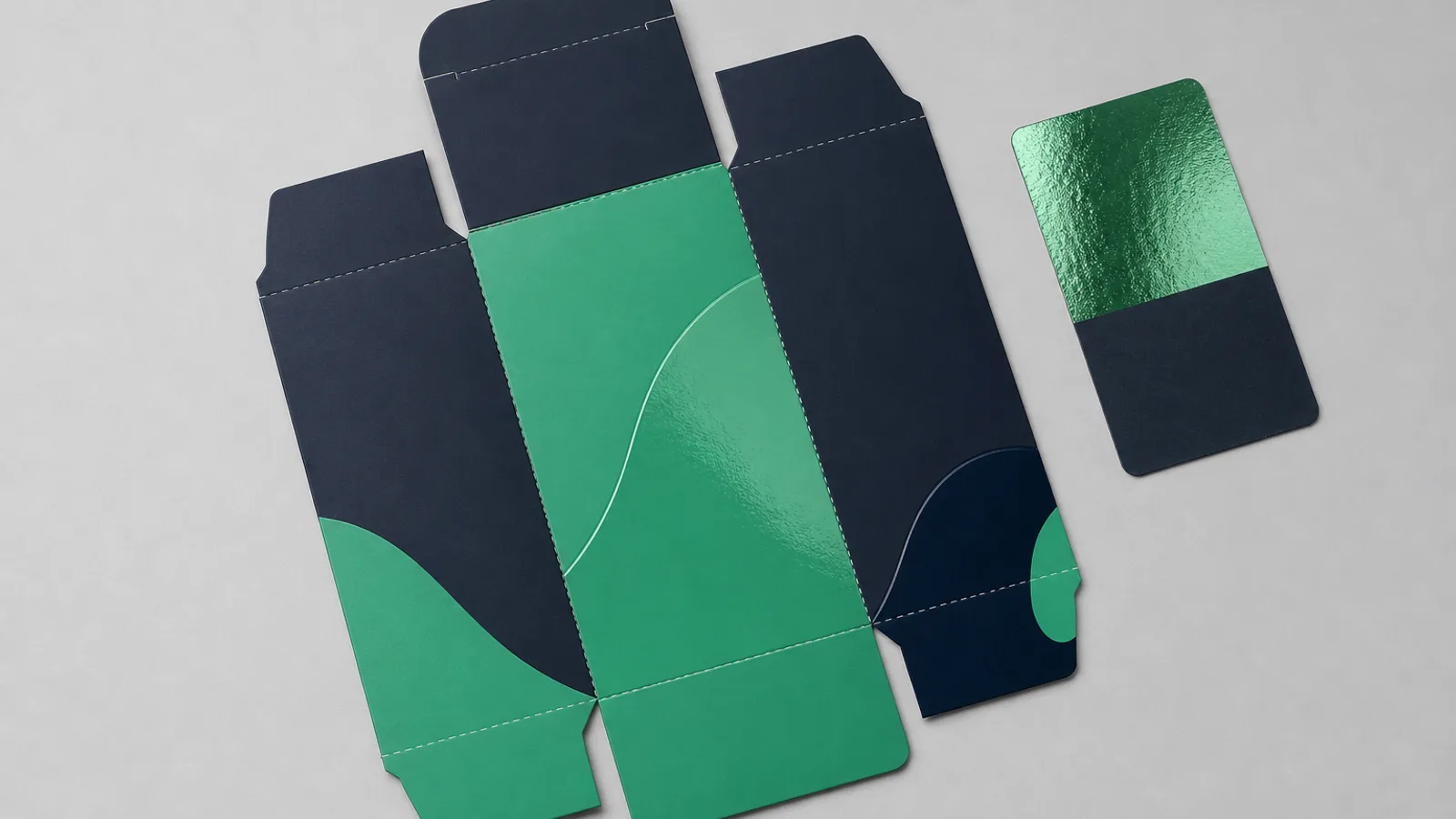
Use high contrast versus aisle lighting and retailer store finishes. Cream headers disappear on beige gondolas; dark navy headers disappear in dim convenience stores. Litho-lam custom cardboard display boxes support photographic-quality panels so you can match packaging art and campaign photography without muddying CMYK.
Keep side panels secondary. On counter units, shoppers rarely see left/right faces long enough to justify dense copy. Reserve sides for price callouts or QR codes only when the account requires them.
Product Visibility and Reach
Window cutouts, open trays, and angled shelves increase trial because the product is already “in hand” visually before the shopper commits. Design for a three-second reach path: eyes to header, eyes to product, hand to SKU.
Balance visibility with theft deterrence. High-ASP beauty minis may need partial shrouding or peg-style retention; low-ASP candy and snacks usually win with open trays. Category norms matter more than brand preference — retailers will reject units that increase shrink.
Practical visibility tips:
- Angle the front tray so SKUs face the shopper, not the ceiling
- Keep header height within retailer max (especially for counter units that block cashier sightlines)
- Avoid full opaque wraps when the product packaging already carries the brand story
Print Quality for Aisle Lighting
Litho-laminated corrugated is the standard for high-graphic POP because it delivers photo-quality CMYK under fluorescent and LED aisle lighting. Flexo on kraft can work for budget promotions, but it will not match cosmetic or snack photography.
When you run multi-placement campaigns — counter plus floor — lock shared color standards early: PMS or CMYK targets, gloss/matte, and white ink underprints if needed. Shrinking floor art onto a counter panel often fails; redesign the hierarchy for each footprint instead of scaling one file.
Assembly and Durability
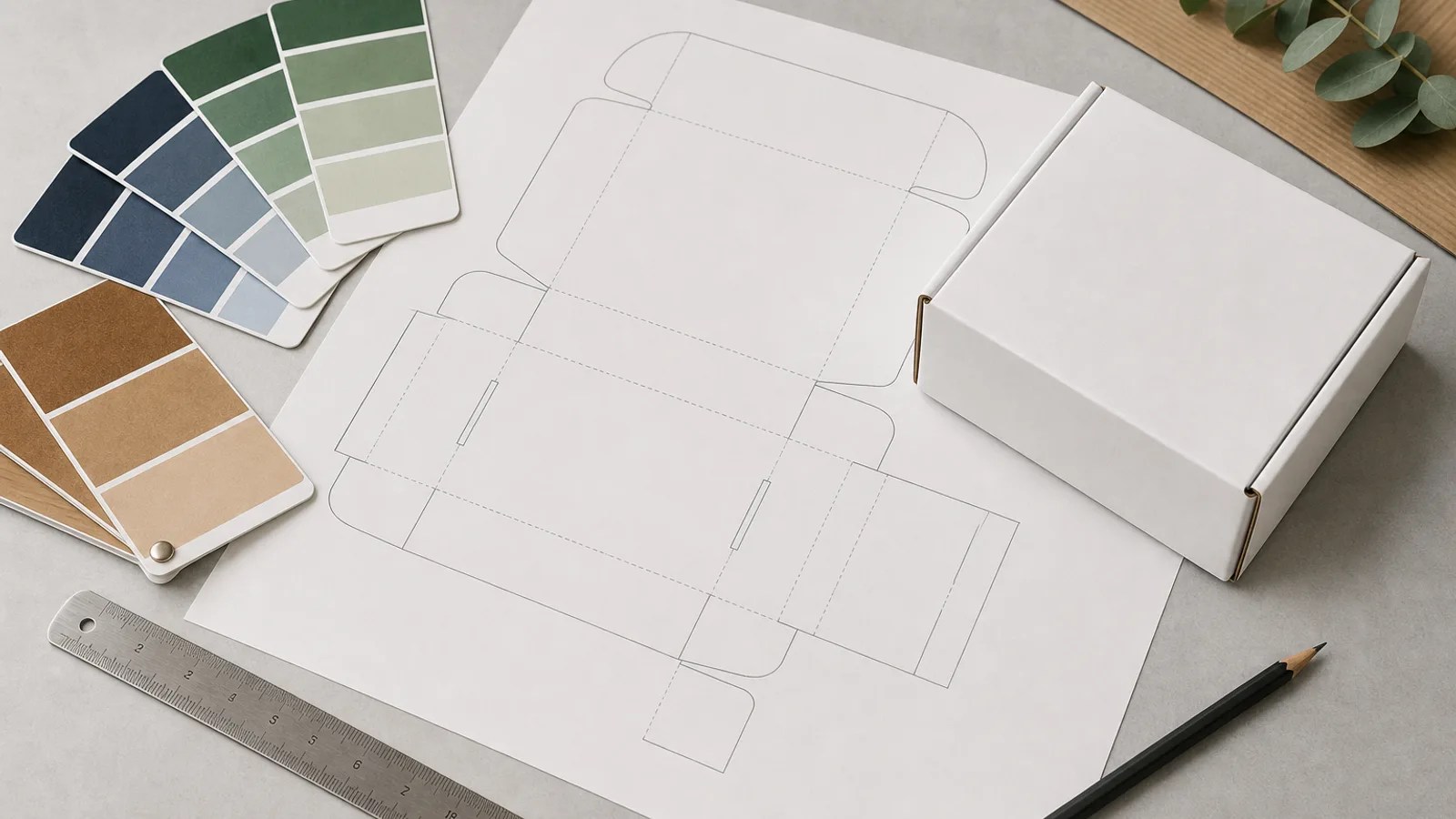
Complex displays fail in store when the instruction sheet is unclear or tabs tear during first assembly. Spec glue tabs, locking slots, finger holes, and numbered assembly icons during engineering review for POP display boxes.
Durability requirements differ by dwell time:
- 2–4 week impulse promo: lighter board and single-tier trays often suffice
- 6–12 week seasonal floor unit: heavier flute, reinforced base, and load testing against full SKU weight
Retailers measure stocking labor in minutes. A display that takes two people twenty minutes to build loses slot preference next season — even if the graphics look premium.
Counter vs Floor for Impulse
Impulse is not one placement. Counter wins for register-adjacent add-ons with short dwell; floor wins when you need inventory depth and aisle interception.
Use counter vs floor display guidance when budgeting litho plates: many brands share art direction and run both formats from one campaign kit. SRP trays cover the permanent bay; POP earns incremental sell-through during the promo window.
Design Checklist Before You Order
Before locking a dieline, confirm:
- Retailer dimensional limits (width, depth, height, weight)
- Max assembly time and whether units ship flat or pre-packed
- Header claim approved by marketing and compliance (claims language)
- Product facing count vs shipper case pack
- Barcode / price ticket zones if the account requires them on the display
- Color proof signed against packaging masters
Skip any of these and you risk reprint before the first truck leaves the DC.
Test Before National Print
Pilot a single market or a short retailer list with point of purchase packaging before committing to a full litho plate run. Measure:
- Sell-through lift vs control stores
- Assembly complaints from store teams
- Header readability photos from the floor (phone snaps under real lighting)
- Damage and return rates if trays collapse under load
Adjust header copy, contrast, and tray angle from the pilot. Plate changes after a national buy are expensive; engineering changes after a 50–249 unit pilot are cheap.
Program Economics and MOQ
Pilot POP programs often start at 50–249 units for digital or short-run litho; national grocery and club rollouts scale to 250–1,000+ with lower per-unit cost as plate and setup amortize. Freight cube matters: flat-packed kits pack denser than pre-assembled units.
Quote with retailer list, SKU count, and dwell-time expectations so board grade and structure match the job — not a generic “display” SKU.
Related Reading in This Cluster
- Hub overview: custom cardboard display boxes for retail
- Placement comparison: counter display vs floor display
- Planogram compliance: shelf-ready packaging and planograms