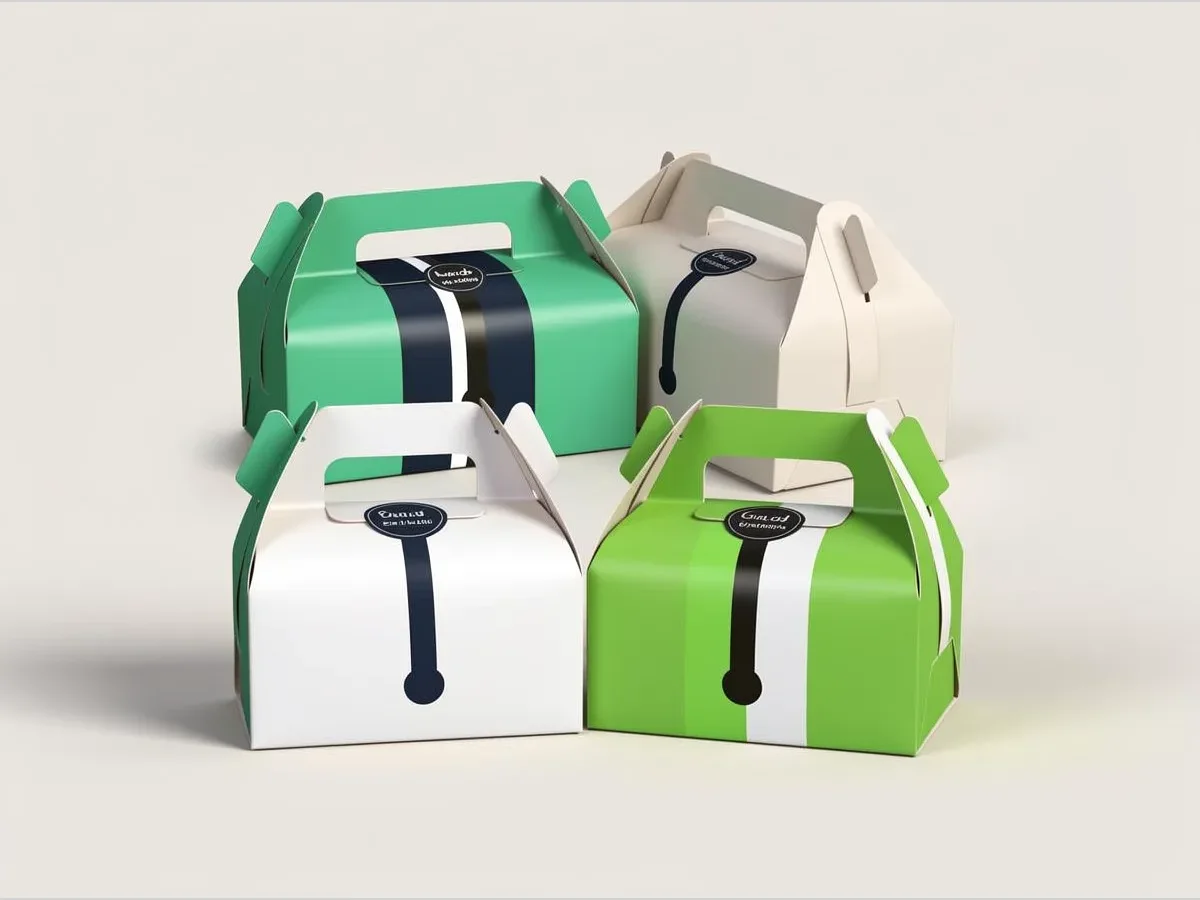
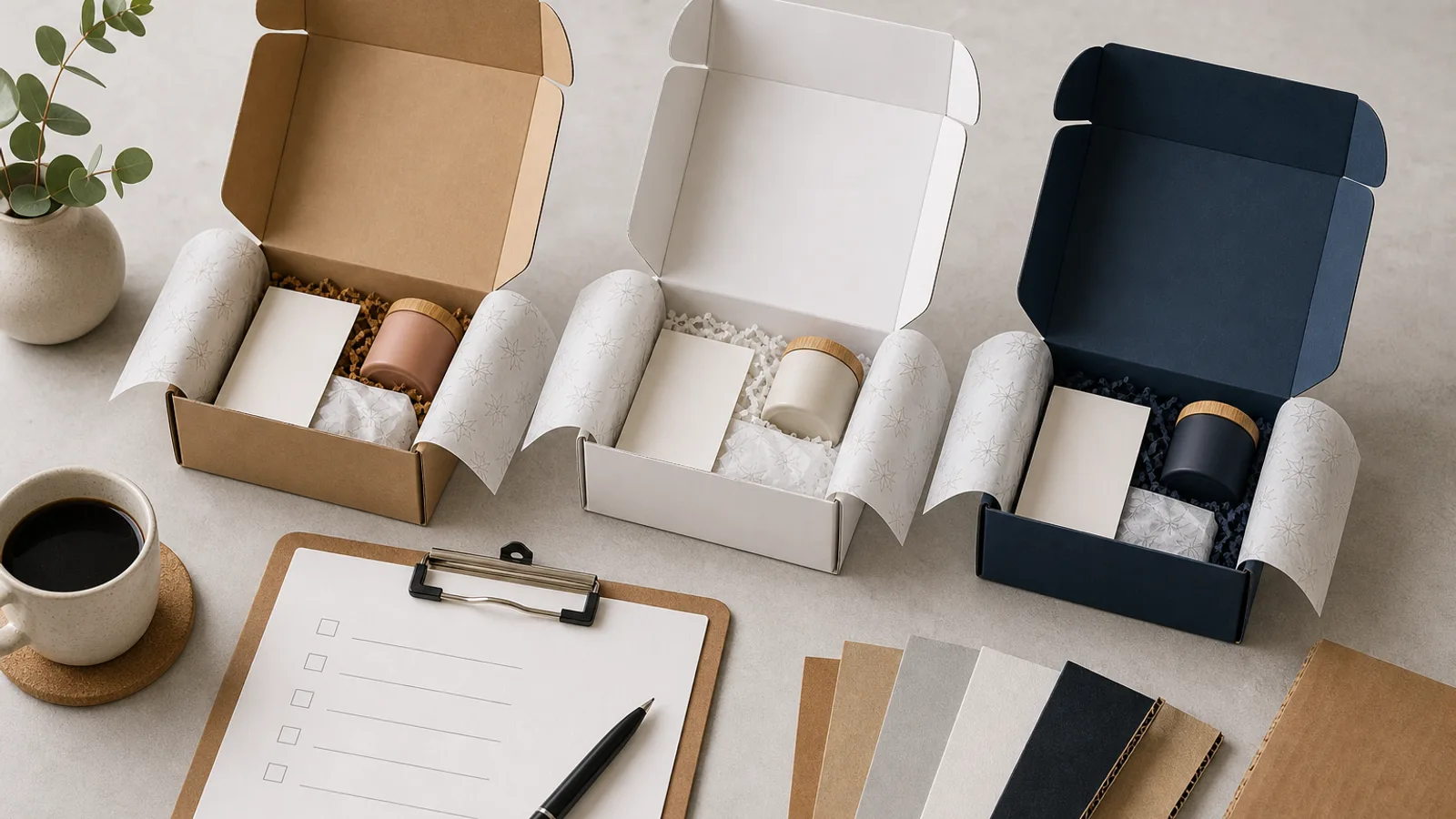
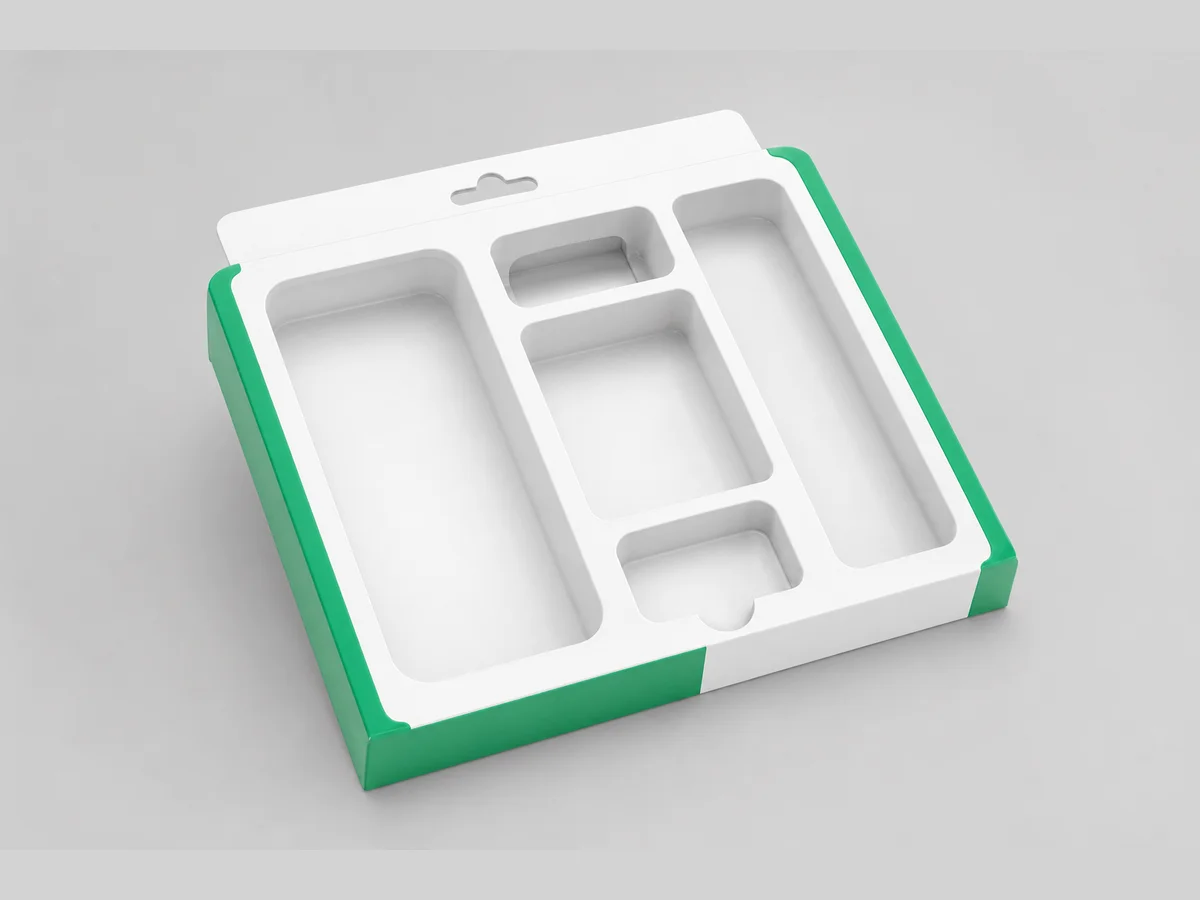
Digital and offset (including flexographic) print are the two production paths that determine your packaging MOQ, per-unit cost, and how often you can change artwork without eating tooling. Digital print eliminates plates for short runs — pilots, seasonal drops, and influencer kits. Offset and flexo spread plate cost across volume — national retail and high-volume DTC replenishment. Choosing wrong method either overpays per unit at scale or locks you into thousands of obsolete boxes when art changes. BoxYourBrand runs digital, flexo, and litho-lam programs on mailer boxes, folding cartons, and corrugated shipping boxes.
This guide compares digital vs offset print MOQ breakpoints for packaging buyers.
Key takeaways
- Digital print: low MOQ (often 50–250+), fast art changes, higher unit cost at volume.
- Offset/flexo: higher MOQ (often 2,500+), lower unit cost at scale, plate tooling per art revision.
- Litho-lam adds premium graphics on corrugated at retail/display MOQ tiers.
- Many brands digital-pilot then flexo-scale the same dieline after art lock.
Digital print for packaging
Digital print applies CMYK (plus optional white) directly to board without physical plates. Change artwork every run without new tooling charge — why DTC brands use digital for:
- First production after dieline approval
- Seasonal mailer art (Q4, Valentine’s, collaborations)
- Low-volume line extensions and PR kits
Tradeoffs: per-unit ink cost stays higher at volume; some ultra-large solid floods cost more than flexo at scale.
See custom mailer box MOQ guide for digital mailer quantity tiers.
Offset and flexographic print
Offset lithography (often litho-lam on corrugated) and flexography on folding cartons and mailers use plates to transfer ink. Setup cost amortizes across run length — per-unit cost drops as quantity rises.
Flexo dominates:
- High-volume mailers with stable art
- Folding cartons for retail CPG
- Single- and two-color kraft shippers
Offset/litho-lam dominates:
- Photographic quality on retail displays
- Corrugated shippers that must match shelf carton graphics
Read design custom packaging artwork for plate-ready file specs.
Digital vs offset comparison
| Factor | Digital print | Offset / flexo |
|---|---|---|
| Typical MOQ | 50–250+ (format-dependent) | 2,500–10,000+ |
| Art change cost | Low (no new plates) | New plates per revision |
| Unit cost at 500 | Usually lower on digital | Plates not amortized |
| Unit cost at 10,000 | Usually higher | Usually lower |
| Lead time (first run) | Often shorter | Plate + make-ready |
| Color matching | Good; specify proof | Excellent at volume |
Exact breakpoints depend on print coverage, board size, and spot colors — request tiered quotes rather than assuming a universal volume number.
Litho-lam and retail displays
Litho-lam prints lithographic sheet stock, then laminates to corrugated for retail display boxes and premium shippers. MOQ reflects both print and lamination setup — common for planogram displays and club-store SRP. Explore planogram display packaging guide.
Hybrid workflow most brands use
- Pilot — digital print 250 mailers; validate size, color, unboxing.
- Art lock — finalize panels after customer feedback and carrier fit.
- Scale — move replenishment SKU to flexo at 2,500–5,000+ units.
- Seasonal — return to digital for limited art on same dieline.
Share forecast by SKU when quoting so production plans the right print path upfront.
Specifying print on quotes
Provide:
- Quantity tiers (250 / 1,000 / 5,000 / 10,000)
- Print coverage (exterior only vs 4/4 interior)
- Color standards (CMYK, Pantone spots)
- Art change frequency expected
Request quote with print method questions noted. Compare board options in custom packaging materials explained.
Read dieline bleed packaging guide before submitting final artwork.