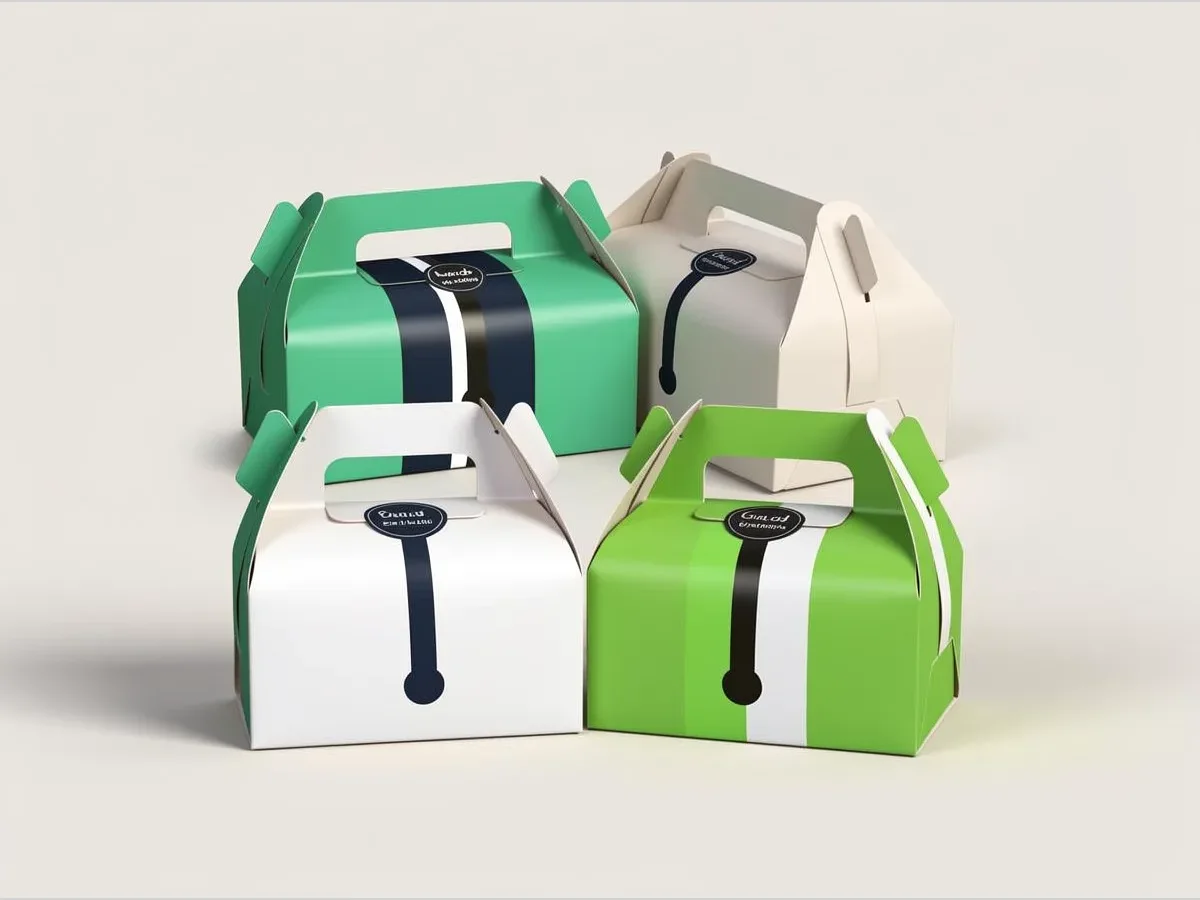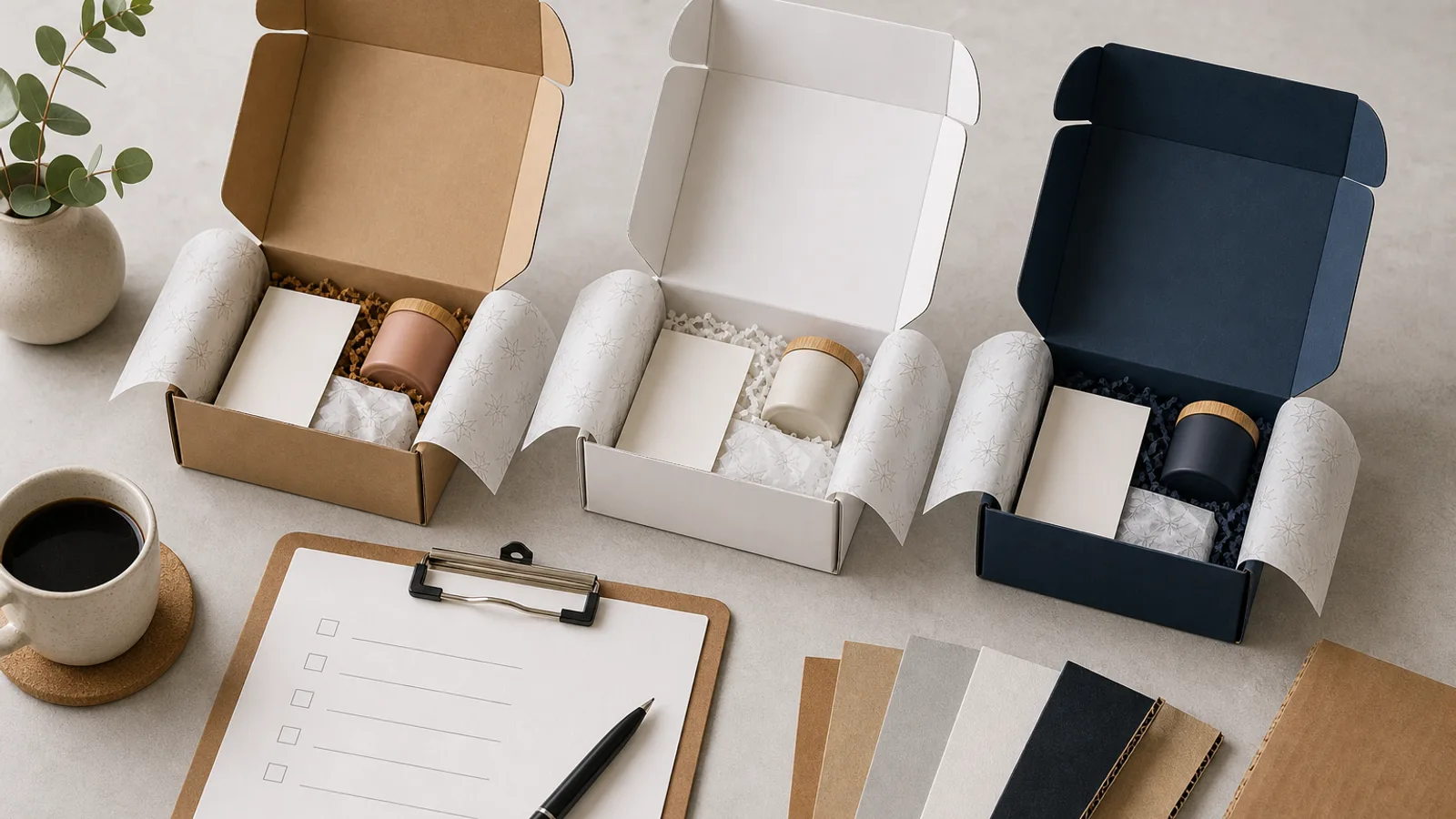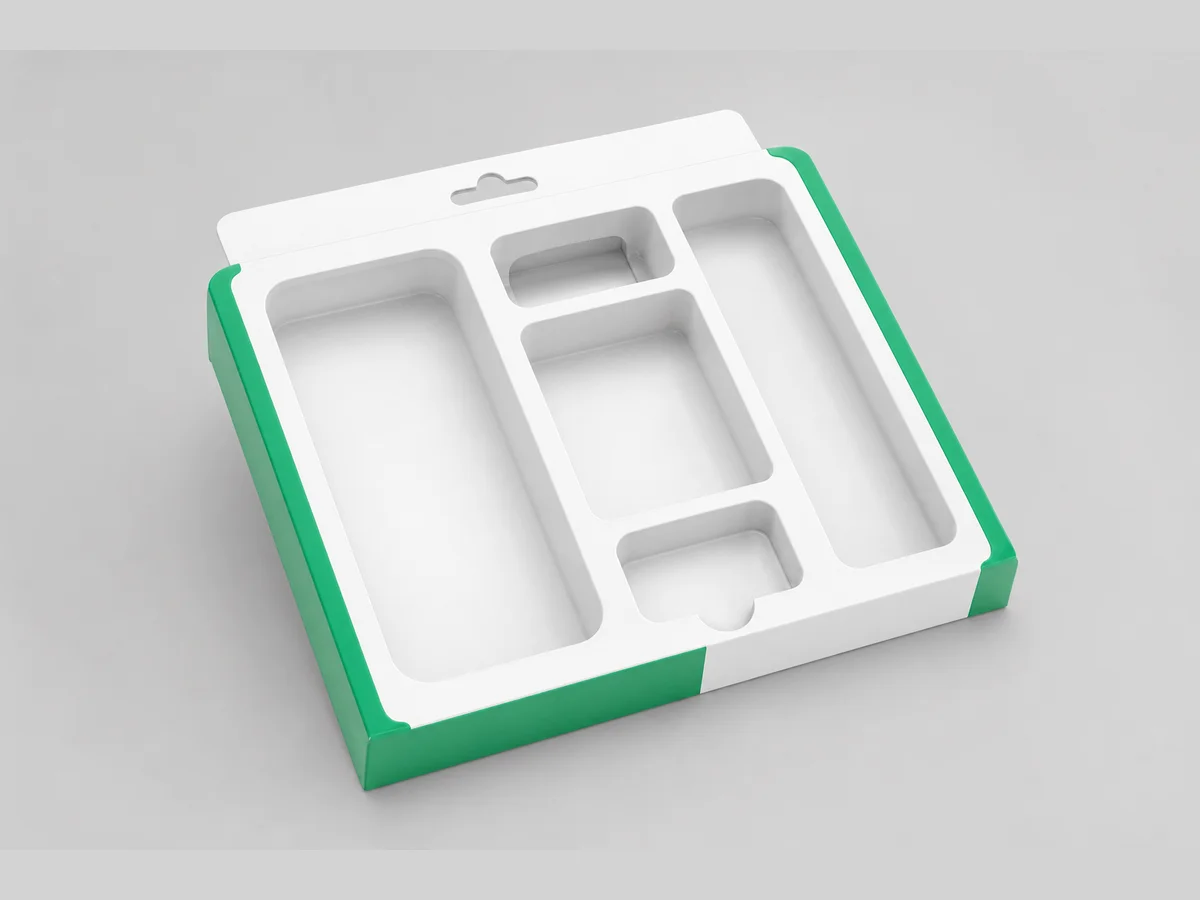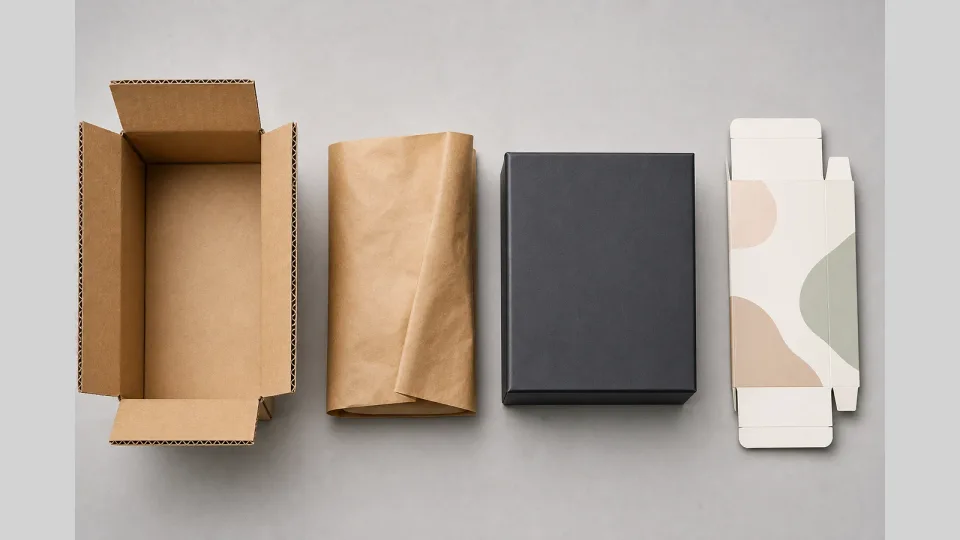
The material your packaging is made from decides shipping durability, unit cost, brand impression, and sustainability story. Single wall cardboard box construction covers most ecommerce shippers; foil packaging finishes elevate retail cartons; custom parchment paper serves food-service presentation — each material fits a different job in a complete food or retail program. Browse custom mailer boxes for format specs and MOQ tiers.
As ecommerce keeps growing, demand for smarter packaging has grown with it. Customers now judge brands by the box on the doorstep, and carriers reward right-sized, well-built parcels. This guide breaks down the main custom packaging materials, explains how to choose between them, and shows where each one fits, so you can make a confident, cost-aware decision for your ecommerce brand.
Key takeaways
- Single-wall corrugated covers most ecommerce shippers; SBS paperboard suits retail cartons.
- Kraft signals sustainability; white board delivers brighter CMYK for beauty and apparel imagery.
- Rigid greyboard elevates gift and luxury unboxing at higher MOQ and lead time.
- Match material to channel — retail carton plus corrugated shipper is common for omnichannel CPG.
Why Packaging Material Choice Matters
Material is the foundation every other packaging decision sits on. It directly affects four things:
- Cost: Material is usually the largest line item in a packaging quote, and the gap between a basic shipper and a premium rigid box is large.
- Durability: The right material survives carrier handling; the wrong one arrives crushed, driving returns and refunds.
- Branding: Texture, finish, and structure shape how premium a product feels before it is even touched.
- Sustainability: Material determines whether your packaging is recyclable, recycled, or compostable, which increasingly influences buying decisions.
Get the material right and the rest of your packaging strategy gets easier. Get it wrong and you are fighting cost, damage, or brand perception on every order.
Main Types of Packaging Materials
Most ecommerce packaging is built from one of four core materials. Here is what each does best.
Corrugated Cardboard
Corrugated cardboard boxes are the backbone of ecommerce shipping. The material’s fluted middle layer, sandwiched between flat liners, absorbs impact while staying lightweight. It is strong, affordable, recyclable, and available in different flute grades that trade thickness for print smoothness.
Corrugated is the best choice for shipping boxes and mailer boxes that need to protect products in transit. It is by far the most commonly used ecommerce packaging material because it balances protection, cost, and printability better than any other option. For most brands, corrugated is the default starting point.
Single-wall vs double-wall corrugated
A cardboard box single wall (also called a single wall cardboard box) uses one flute layer — typically C-flute or B-flute — between liner sheets. It handles most DTC shipments under roughly 30 lbs when paired with right-sized dimensions.
| Construction | Flute layers | Best for |
|---|---|---|
| Single-wall | 1 | Ecommerce shippers, mailers, light industrial |
| Double-wall | 2 | Heavy products, long transit, fragile bulk |
| Triple-wall | 3 | Industrial, export, extreme weight |
Specify single-wall vs double-wall when quoting corrugated shipping boxes — the wrong grade wastes money or risks damage.
Kraft Paper Packaging
Kraft packaging is unbleached, natural-brown board with an earthy, minimalist look. It instantly signals sustainability and pairs well with simple one- or two-color printing, making it a favorite for eco-conscious and artisanal brands. Packaging kraft paper and paper kraft packaging include kraft bags, wraps, and mailer exteriors — often printed with flexographic printing for high-volume spot-color logos.
Kraft is popular for sustainable branding because the material itself communicates values without a single word of copy. It is widely used for mailer boxes and retail packaging where a natural, honest aesthetic fits the brand. It typically costs less than fully coated white board, which makes it an attractive balance of looks, values, and price.
Rigid Boxes
Rigid boxes are the premium tier: thick, sturdy, non-collapsing boxes built for luxury goods, cosmetics, electronics, and gifting. They do not fold flat, which means higher material and shipping volume, but they deliver a structural, weighty feel that thinner board cannot match.
Rigid packaging is about perceived value. For a high-priced product, the substantial feel of a rigid box reinforces quality and justifies the price in the customer’s mind. Apple’s product packaging is the classic example: the slow, resistant lift of a rigid lid is engineered to feel premium, and it shapes how the product is perceived before it is even seen.
Folding Cartons
Folding cartons are lightweight, thin paperboard boxes used for retail-style product packaging: cosmetics, supplements, food items, and single goods. They print sharply, fold flat for efficient storage, and are inexpensive at scale.
Folding cartons are cost-effective and highly scalable, which makes them ideal for products sold in volume both online and in stores. They are often shipped inside a corrugated mailer or shipper for protection, combining the retail look of the carton with the transit durability of corrugated. For a full head-to-head comparison, see the corrugated vs folding cartons guide.
Foil packaging and premium finishes
Foil packaging in custom box programs usually refers to hot-foil stamping on paperboard or metallized laminate on flexible pouches — not raw aluminum sheet alone.
| Application | Foil type | Typical substrate |
|---|---|---|
| Logo stamp on carton lid | Hot foil (gold, silver, holographic) | SBS folding carton |
| Full-panel luxury effect | Cold foil transfer | Rigid gift wrap |
| Barrier pouch | Metallized film laminate | Stand-up jerky or coffee bag |
Foil accents on folding cartons and chocolate boxes increase perceived value at modest added cost versus full rigid construction.
Parchment and food-service liners
Custom parchment paper and printed parchment paper serve food brands as:
- Basket and tray liners for bakery and foodservice
- Interleaving sheets between product layers
- Branded wrap inside gift food boxes
Print parchment paper orders use the same food-safe ink specs as printed parchment — ideal for bakery liners, cheese wraps, and basket presentation.
Parchment programs use food-safe inks where direct food contact applies. Parchment paper for cheese and charcuterie boards uses grease-resistant sheets sized for wedge wraps, deli counters, and gift cheese sets — often custom printed with logo for farmstead and specialty retailers. For dedicated sandwich-wrap programs, see custom deli paper.
Pair with food packaging cartons and takeout formats for a cohesive program. For flexible barrier bags (jerky, granola), see the custom food packaging guide.
How to Choose the Right Material
Use these four factors to match material to product.
Step 1: Product Weight and Fragility
Heavier or fragile products need stronger structure. Corrugated handles weight and shock well, rigid adds maximum protection for high-value items, and folding cartons suit light products that ship inside a protective outer box. Start with what the product physically demands.
Step 2: Brand Positioning
Decide where you sit on the luxury-to-budget spectrum. A premium brand may justify rigid boxes or a refined folding carton; a value or sustainability-led brand may be better served by kraft. The material should reinforce the price and personality your customers expect.
Step 3: Shipping Distance and Handling
The further a parcel travels and the more times it is handled, the more protection it needs. For long routes or rough handling, prioritize corrugated strength. For local or gentle delivery, lighter materials may be enough.
Step 4: Sustainability Goals
If sustainability is core to your brand, favor recyclable corrugated, kraft, or materials with recycled and compostable options. Make sure the claim matches reality, and label it clearly so customers understand what they can do with the packaging.
Cost Impact of Material Selection
Material is where most of your packaging budget goes, so understanding the trade-offs is essential.
- Corrugated is the cost-efficient choice for shipping. It delivers strong protection at a low price, which is why it dominates ecommerce.
- Rigid is premium but expensive. The material, construction, and shipping volume all cost more, so reserve it for products where perceived value justifies the spend.
- Kraft is a balanced eco option. It offers a distinctive, sustainable look at a moderate price, usually below coated white board.
- Folding cartons are mass-production friendly. Per-unit costs drop sharply at volume, making them economical for products sold in large quantities.
The goal is not to buy the cheapest or the most premium material, but to match spend to the product’s value and shipping needs.
Sustainability in Packaging
Eco-friendly packaging has moved from a differentiator to an expectation. Customers increasingly prefer brands that minimize waste, and many will factor recyclability into repeat purchases.
The trend is clear: brands are shifting toward recycled content, curbside-recyclable construction, and compostable options where they fit. Corrugated and kraft lead here because they are widely recyclable and available with high recycled content. Soy- and water-based inks further reduce environmental impact compared to conventional inks.
The practical takeaway is to choose eco-friendly packaging that is genuinely recyclable or recycled, and to communicate it honestly. Greenwashing erodes trust, but credible, clearly labeled sustainability builds it.
Common Packaging Material Mistakes
Three material mistakes show up again and again.
- Choosing looks over durability. A beautiful box that arrives crushed fails at its primary job. Always confirm the material can survive real shipping before prioritizing aesthetics.
- Ignoring shipping conditions. Selecting a material based on a studio photo, without accounting for carrier handling and distance, leads to damage and returns.
- Overpaying for premium materials unnecessarily. Putting a low-cost, sturdy product in an expensive rigid box rarely pays off. Reserve premium materials for products where the added perceived value justifies the cost.
Industry Use Cases
Different categories gravitate toward different materials. Here are practical starting points.
Beauty and Cosmetics
Beauty brands often combine rigid boxes for hero or gift products with folding cartons for everyday SKUs. The rigid box elevates flagship items, while cartons keep the broader line cost-efficient and shelf-ready.
Apparel
Apparel is forgiving and rarely fragile, so kraft mailers are a popular fit. They are lightweight, sustainable-looking, and affordable, matching the casual, values-driven feel of many clothing brands.
Food and Beverage
Food and beverage typically needs corrugated strength plus food-safe packaging. Corrugated protects products in transit, while food-safe coatings or liners keep contents fresh and compliant. Durability and barrier protection both matter here.
Subscription Boxes
Subscription boxes usually rely on corrugated for structure plus custom inserts for presentation. The corrugated box survives repeated shipping, while dividers and inserts create the curated, consistent experience subscribers expect month after month.
How BoxYourBrand Helps With Materials
Choosing a material is easier with a manufacturer that can guide the decision and produce the result. BoxYourBrand works with ecommerce brands to match the right material to each product, balancing protection, cost, and brand feel rather than pushing a one-size-fits-all option.
As a custom packaging manufacturer, we produce corrugated mailers and shippers, kraft packaging, rigid boxes, and folding cartons with low minimum order quantities, fast production, and global shipping. That means you can test a material on a realistic budget, compare options, and scale the version that performs. If you are unsure where to start, we can help you weigh durability, cost, and sustainability for your specific products before you commit to a run. Ordering samples is the best way to feel the difference between materials firsthand.
Packaging Materials — Final Takeaways
Packaging material is a strategic decision, not a default. The right choice protects your product, fits your budget, reinforces your brand, and supports your sustainability goals; the wrong one quietly costs you on every order. Corrugated covers most shipping needs, kraft brings sustainable character, rigid signals luxury, and folding cartons scale retail-ready products economically.
Match the material to your product’s weight, value, shipping conditions, and brand positioning, and test before you scale. Make the decision deliberately and your packaging becomes an asset rather than an afterthought.
Need help choosing the right packaging material for your brand? Get expert guidance and a custom quote from BoxYourBrand.