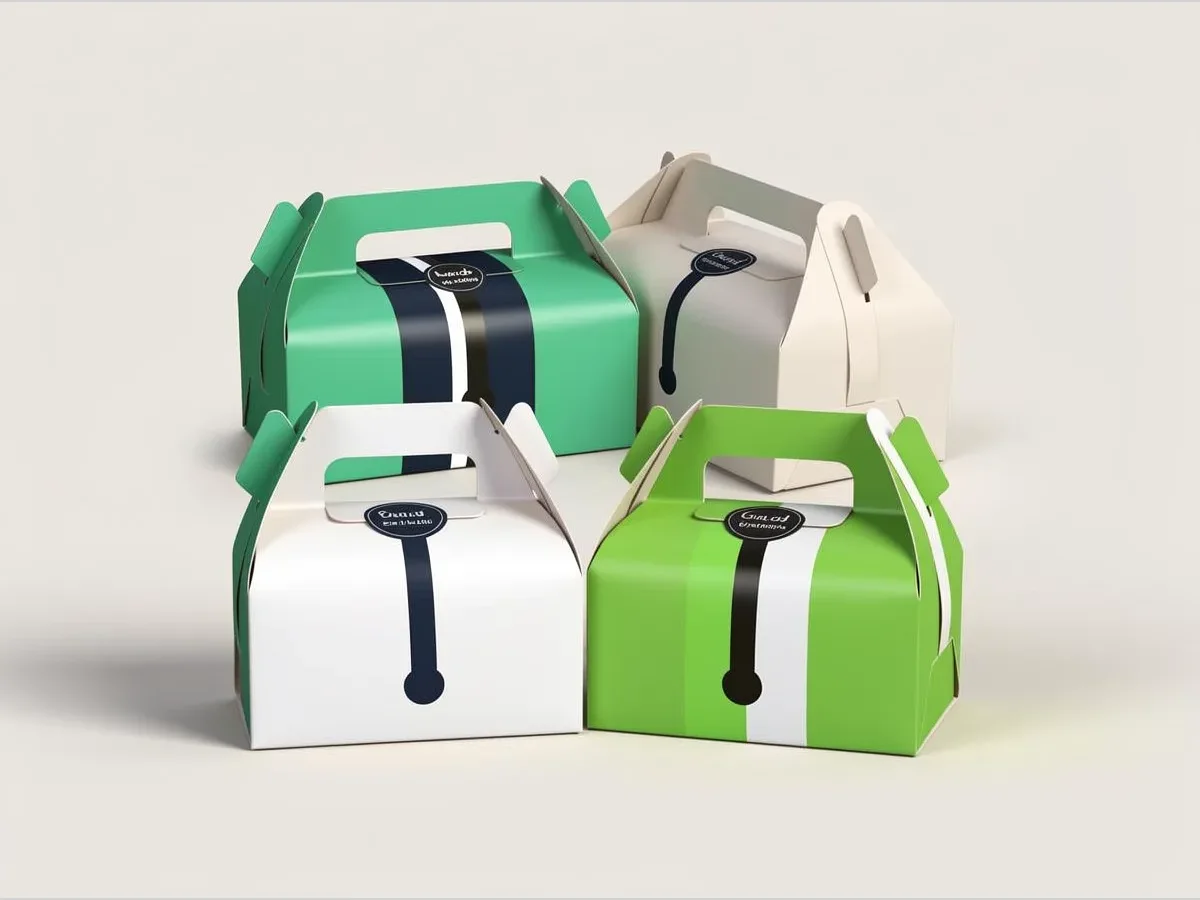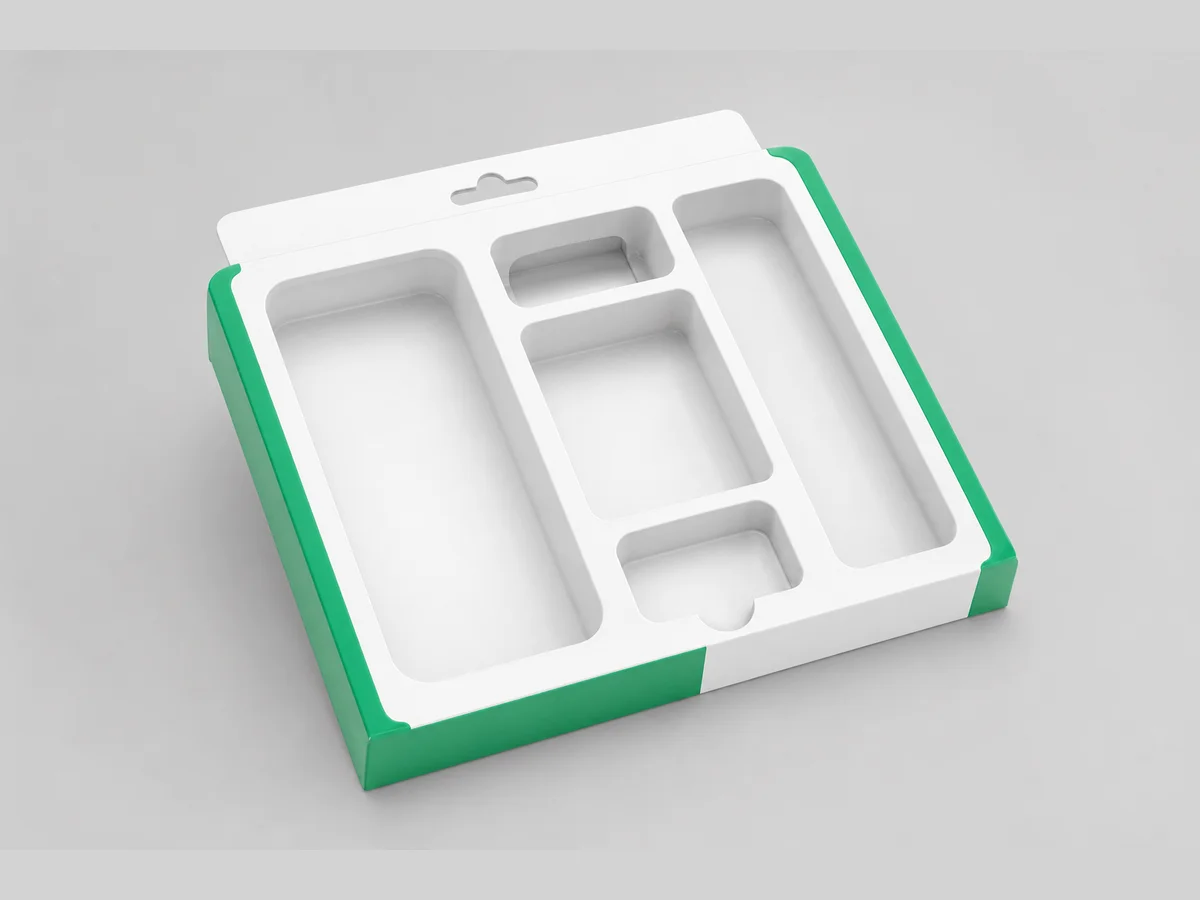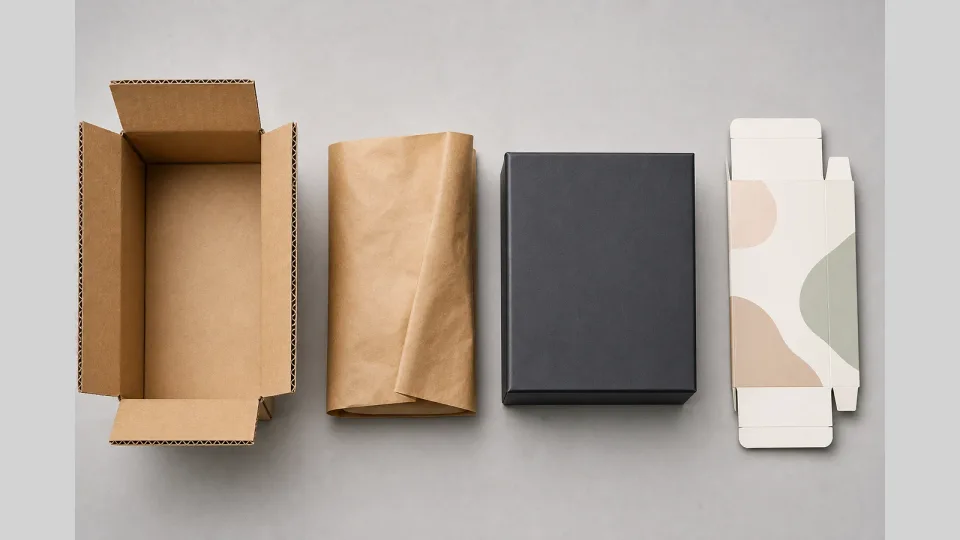
Corrugated boxes use fluted board built for shipping strength — mailers, RSC shippers, and heavy transit. Folding cartons use solid paperboard for retail shelf presentation and usually ship inside a corrugated outer box for ecommerce. They are not interchangeable formats; picking the wrong one costs you on protection, shelf appeal, or both. BoxYourBrand produces end-to-end custom packaging for ecommerce and retail brands.
This guide compares corrugated boxes vs folding cartons across structure, cost, weight, printing, shipping, sustainability, industries, and pros/cons — so you can choose the right format (or the right two-box combination) for your channel. Related formats include custom plastic packaging.
What Is a Corrugated Box?
A custom shipping boxes program is built from fluted medium sandwiched between linerboards. The flutes (E, B, C, and heavier grades) absorb impact and stack load in warehouses and parcel networks.
Common corrugated formats:
- RSC (regular slotted container) — tape-sealed workhorse for bulk and heavy parcels
- Mailer box — self-locking E-flute or B-flute for branded DTC unboxing (mailer boxes)
- Die-cut shippers — custom footprints for oversized or multi-item orders
Corrugated is the default when the box must survive transit without an outer shipper. See corrugated flute types explained for board grade selection.
What Is a Folding Carton?
A folding carton is a thin paperboard box — typically 14pt to 24pt SBS, CCNB, or kraft — that folds flat for storage and assembles with tuck flaps or glue tabs. Tuck-end styles dominate retail CPG, beauty, supplements, and food shelf packaging.
Folding cartons excel at:
- Sharp CMYK retail graphics and foil accents
- Planogram-friendly shelf dimensions
- Low per-unit material cost at volume
- Lightweight product containment (not standalone shipping)
For tuck styles and board grades in depth, see the folding cartons and tuck boxes guide.
Corrugated vs Folding Cartons — Side-by-Side Comparison
| Factor | Corrugated box | Folding carton |
|---|---|---|
| Board structure | Fluted liner + medium | Solid paperboard (14pt–24pt) |
| Primary role | Shipping / protection | Retail / shelf presentation |
| Typical weight capacity | Higher (lbs to tens of lbs) | Light products; often nested in shipper |
| Unit cost at volume | Moderate (structure + print) | Lower per unit for thin board |
| Print surfaces | Exterior (+ interior on mailers) | Full CMYK retail graphics |
| Shipping / DIM | Outer shipper; drives DIM weight | Usually inner carton; outer corrugated ships |
| Sustainability | Highly recyclable corrugated | Recyclable paperboard; less fiber per unit |
| Best industries | Ecommerce, 3PL, heavy CPG ship | Beauty, supplements, food retail, OTC |
| Pros | Strength, stackability, transit durability | Shelf appeal, lower material cost, planogram fit |
| Cons | Heavier, higher cube | Not a standalone shipper for most DTC |
Cost — When Each Format Wins
Folding cartons often win on per-unit material cost at retail MOQs because paperboard is thinner and litho or flexo print scales efficiently on cartons. Digital-print cartons commonly start around 250–500 units per SKU; offset with foil may require 1,000+. Use the quote wizard to compare quantity tiers side by side.
Corrugated wins on total landed cost when it:
- Prevents damage that triggers returns and reships
- Right-sizes outer dimensions to lower dimensional weight
- Replaces an oversized stock shipper with a custom mailer
BoxYourBrand does not publish fixed per-unit price lists — pricing depends on dimensions, board grade, print coverage, and quantity tier. Compare scenarios with the packaging cost factors guide and get a free quote with both formats spec’d if you use a carton-in-shipper workflow.
Weight and Protection
Corrugated flute grade determines crush resistance. E-flute mailers handle typical DTC orders under ~5 lbs; C-flute and double-wall RSC shippers cover heavier wholesale and fragile goods.
Folding cartons protect against scuffing and shelf dust — not parcel-network drops. A 18pt SBS carton around a glass dropper bottle still needs a corrugated outer for FedEx, UPS, or USPS handling.
Rule of thumb: if the parcel leaves your facility without an outer corrugated box, the product probably should not be in a folding carton alone.
Printing and Finishing
| Format | Common print methods | Premium finishes |
|---|---|---|
| Folding carton | Offset litho, digital CMYK, flexo | Foil, emboss, soft-touch, spot UV |
| Corrugated mailer | Digital CMYK, flexo | Interior print, laminate, spot UV |
| Corrugated RSC | Flexo, litho-lam wrap | Logo flood; full graphics at higher MOQ |
Folding cartons deliver the sharpest retail micro-type and skin-tone photography on SBS white board. Corrugated mailers deliver the best branded unboxing for DTC with exterior and interior panels.
Artwork prep is the same workflow — vector files, bleed, dielines — see design custom packaging artwork.
Shipping and Fulfillment
Ecommerce (DTC): folding carton as product packaging + corrugated mailer or shipper as transit packaging. Model outer cube in the DIM weight calculator before locking dimensions.
Retail (brick-and-mortar): folding carton often ships case-packed to distributors on pallets — corrugated cases protect inner cartons in bulk, not individual consumer parcels.
3PL rules: document which SKUs get carton-only (retail bulk to store) vs carton-plus-mailer (DTC). Mixed rules slow pack stations when unclear.
Sustainability — Corrugated vs Folding Cartons
Both corrugated and paperboard folding cartons are widely recyclable in U.S. municipal streams when free of heavy food residue and non-paper attachments. EPA data show corrugated among the most recovered packaging formats.
Folding cartons use less fiber per unit; corrugated reduces reships when right-sized. Laminate-heavy finishes on either format can limit curbside acceptance — match claims to actual board and coating specs per FTC Green Guides.
Cited recycling and consumer preference benchmarks: packaging statistics. Material deep dive: sustainable packaging.
Industries — Which Format Fits Your Channel
| Industry / channel | Primary format | Common hybrid |
|---|---|---|
| Cosmetics & beauty | Folding carton (retail) | Carton inside mailer (DTC) |
| Supplements & vitamins | Folding carton | Mailer for subscriptions |
| Food & beverage (shelf) | Folding carton, gable | Corrugated case packs |
| Apparel (DTC) | Corrugated mailer | Poly mailer for soft goods |
| Electronics accessories | Mailer or small RSC | Carton for retail SKU variant |
| CPG wholesale | RSC case packs | Folding carton as unit pack |
| Subscription boxes | Corrugated mailer | Inserts + inner cartons |
Browse industry packaging for vertical-specific format recommendations.
Pros and Cons Summary
Corrugated boxes
Pros
- High crush and stack strength for transit
- Works as standalone parcel packaging
- Mailer format supports premium unboxing
- Scales from low-MOQ digital print to high-volume flexo
Cons
- Heavier board increases DIM weight if oversized
- Full-color RSC at low volume costs more than plain kraft
- Less suited to fine retail typography than SBS cartons
Folding cartons
Pros
- Excellent shelf graphics and foil finishing
- Lower material cost per unit at retail volume
- Folds flat for efficient warehouse storage
- Planogram and retail compliance friendly
Cons
- Not a substitute for corrugated in parcel networks
- Thinner board limits heavy product weight
- Requires separate outer shipper for most ecommerce
When to Use Both — Carton Inside Shipper
The most common winning pattern for brands that sell online and in retail:
- Folding carton — retail-ready product box with SKU barcode, regulatory copy, and brand graphics
- Corrugated mailer — branded outer that survives FedEx/UPS/USPS and delivers the unboxing moment
Cosmetics, supplements, specialty food, and gift sets use this stack daily. You quote two dielines — inner carton and outer mailer — with matched interior dimensions so the carton does not rattle.
Order samples of both formats to validate fit before production MOQs.
How to Choose: Corrugated vs Folding Carton in Five Questions
- Does the box need to survive parcel shipping alone? If yes → corrugated. If no → folding carton may suffice as inner pack.
- Is shelf graphics and planogram compliance required? If yes → folding carton.
- What is the product weight? Over ~2–3 lbs in a small footprint → prioritize corrugated outer grade.
- Which channel mix do you run? Retail-only SKUs may be carton-only; DTC SKUs need corrugated outer.
- What is your print budget and MOQ? Cartons scale on litho; mailers win on accessible digital print for DTC.
Next Steps — Compare Formats and Quote
Validate product dimensions in the box size calculator, then browse folding cartons and corrugated shipping boxes (or mailer boxes for DTC).
Get a free quote with inner and outer specs, or order samples to compare board feel and print quality before committing to volume.
Corrugated vs folding cartons is not a rivalry — it is a stack. Retail presentation lives in the carton; transit durability lives in corrugated. Brands that match each layer to its job protect margin on every order they ship.