Custom packaging cost is rarely a single number on a price list. Two brands ordering “the same” mailer box can see very different quotes because dimensions, board grade, print coverage, finishes, and order quantity all move the total. That variability frustrates founders planning a launch budget — but it also means you can tune specs to hit a target cost without giving up brand quality entirely.
This guide breaks down what drives custom packaging pricing, where brands overspend, where they can save, and how to request a quote that reflects what you will actually pay. Browse custom mailer boxes for format specs and MOQ tiers.
Key takeaways
- Unit cost drops at volume breaks — share annual forecast, not just first-run quantity.
- Print method (digital vs flexo vs litho) drives setup cost more than board grade alone.
- Finishes, inserts, and rush production add line items — spec them upfront for comparable quotes.
- Right-sized packaging can lower total landed cost via reduced DIM and void fill.
The Core Cost Components
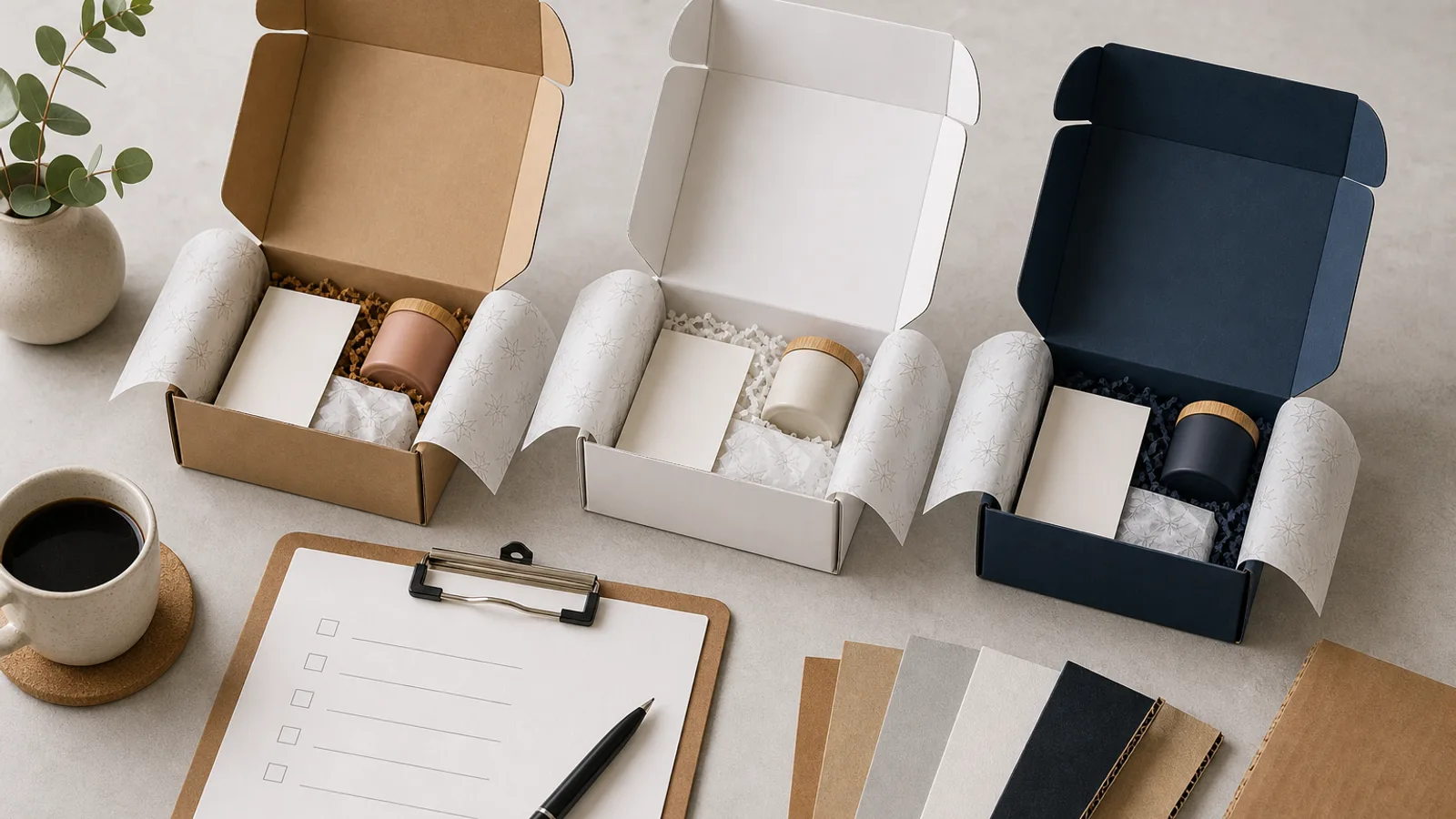
Validate board feel and print quality with packaging samples before locking production MOQ.
Every custom packaging quote combines material, print, finishing, tooling, and logistics. Understanding each layer helps you negotiate specs instead of just accepting or rejecting a total. Related formats include corrugated shipping boxes.
1. Box Type and Structure
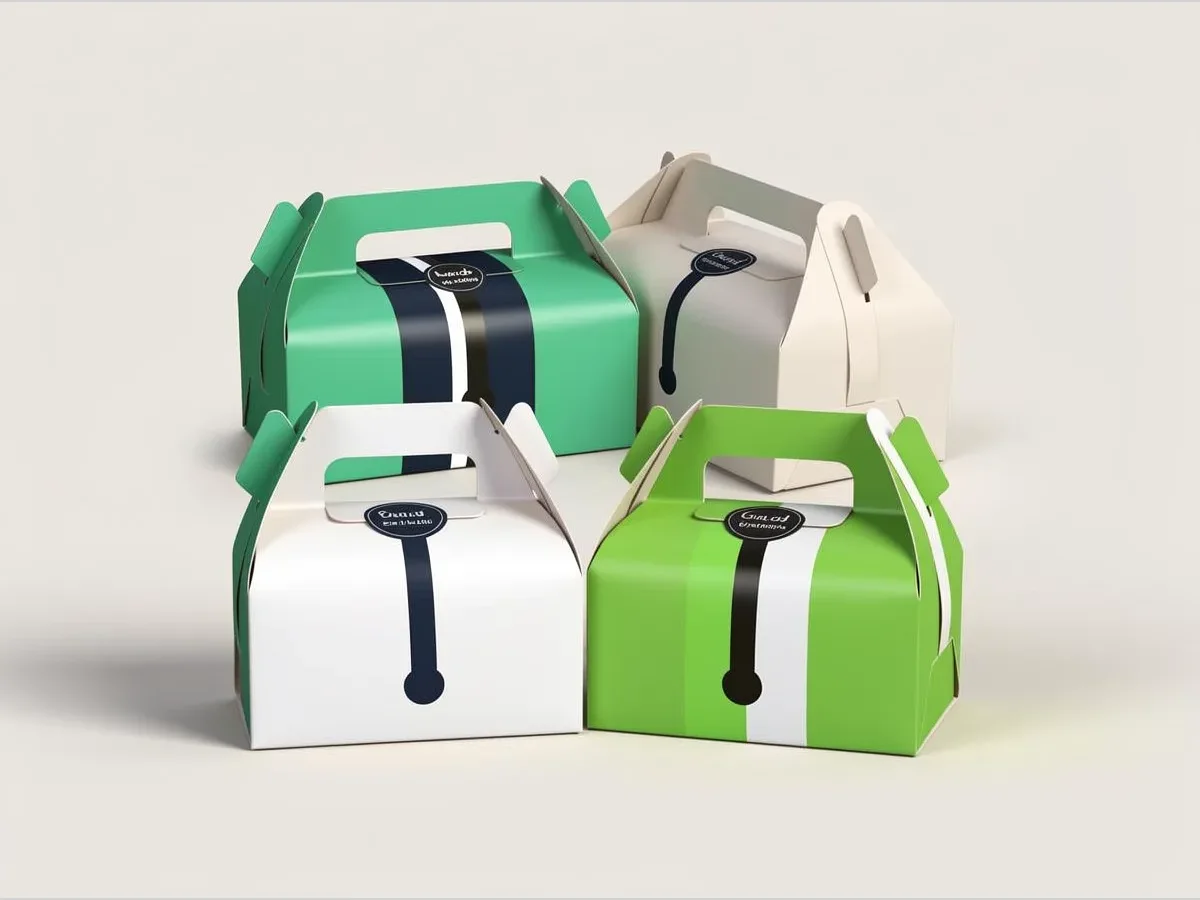
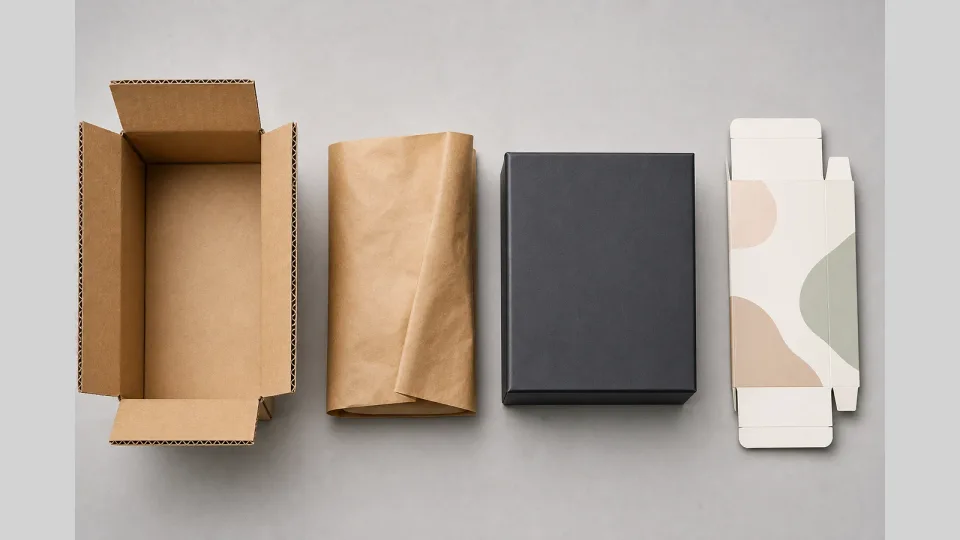
Mailer boxes, RSC shippers, folding cartons, and rigid set-up boxes sit at different price points. Mailers cost more than plain kraft shippers at the same size because of die design and self-locking construction. Rigid boxes are the premium tier — thick board, manual assembly, higher freight — reserved for luxury and high-AOV products. Use the quote wizard to compare quantity tiers side by side.
Cost impact: High. Choosing the right category for your product weight and channel avoids over- or under-building. See our choosing a packaging provider for the next decision in your workflow.
2. Dimensions and Board Grade
Larger boxes use more material. Non-standard sizes may waste more sheet area during cutting, which suppliers factor into unit price. Board grade (E-flute vs. B-flute vs. double-wall) changes both material cost and protection level.
Cost impact: Medium to high. Right-sizing reduces material and dimensional weight shipping cost simultaneously. Run candidates through the box size calculator and DIM weight calculator before you lock a quote.
3. Print Method and Coverage
Digital print is economical at low to mid MOQ with full CMYK coverage. Offset or litho-lam improves color fidelity at high volume but adds setup cost. Printing one exterior panel costs less than exterior plus interior flood print.
Cost impact: Medium. Print area and color count matter as much as print method.
4. Finishes and Special Effects
Matte or gloss lamination, soft-touch film, spot UV, foil, embossing, and debossing each add a production pass. Used selectively — logo spot UV on a matte mailer — finishes punch above their cost. Applied everywhere, they compound quickly.
Cost impact: Medium. Finishes are the easiest place to trim budget without losing brand identity.
5. MOQ and Order Quantity
Fixed setup costs spread across units. A 500-unit run costs more per box than 2,000 units with identical specs. The tradeoff is cash tied up in inventory and warehouse space.
Cost impact: High on per-unit price; strategic on total spend. See our mailer box MOQ guide for planning quantity.
6. Inserts and Accessories
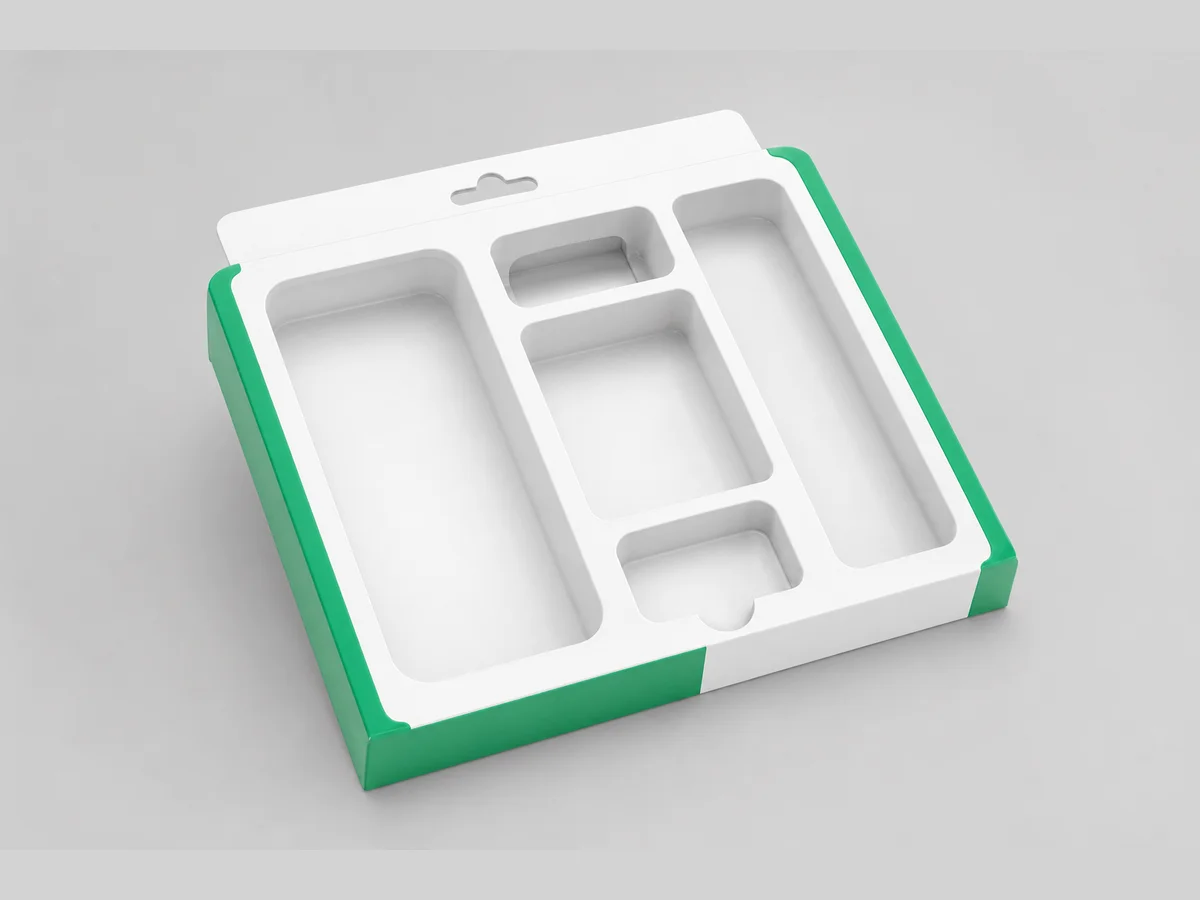
Custom corrugated inserts, tissue, sleeves, and stickers often carry separate MOQs and tooling. A mailer plus fitted insert protects better than an oversized box with loose fill, but adds line items to the quote.
Cost impact: Variable. Inserts can reduce return cost enough to justify expense on fragile SKUs.
7. Freight and Delivery
Packaging ships flat (mailers, shippers) or nested (rigid). Inbound freight from production to your warehouse or 3PL is part of landed cost, especially on heavy double-wall orders.
Cost impact: Low to medium. Consolidating reorders and planning lead time avoids expedite fees.
Typical Price Drivers Ranked
For a standard ecommerce mailer with exterior CMYK print, expect these to move the quote most:
- Order quantity (MOQ tier) — largest per-unit swing
- Box dimensions — material + waste
- Interior print vs. exterior only — doubles print area
- Finishes — laminate, soft-touch, spot UV
- Board grade / double-wall — when protection requires it
- Insert complexity — custom die vs. generic fill
Brands optimizing cost usually start at quantity and dimensions, then trim finishes before sacrificing print quality on the exterior.
What “Cheap” Custom Packaging Actually Costs
The lowest quote is not always the lowest total cost. Plain oversized shippers are cheap per box but expensive to ship and return when products break. No print saves money but forgoes marketing value every customer touchpoint provides.
Hidden costs of under-investing:
- Higher dimensional weight on oversized boxes
- Return shipping and replacement product on damage
- Lower repeat rate when unboxing feels generic
- Pack labor on awkward tape-and-fold shippers
Hidden costs of over-investing:
- Inventory carrying cost on MOQ above 6 months of volume
- Premium rigid boxes on low-AOV SKUs customers do not value
- Full interior flood print when an insert card would suffice
Match packaging spend to average order value and customer expectations, not to competitor Instagram posts.
How to Lower Custom Packaging Cost Without Downgrading Brand
Right-Size the Box
Measure product + padding. Smaller exterior dimensions cut material and shipping. This is the highest-ROI change most brands can make.
Standardize SKUs
One mailer size for 80% of orders beats three sizes with three MOQs and three art files. Use inserts to adapt one box to slightly different products if needed.
Print Smart
- Exterior full color; interior one-color message or skip interior print
- Spot color brand match on kraft instead of four-color process where aesthetic fits
- Timeless artwork so reorders do not require redesign
Stage Your Finishes
Launch with matte laminate or uncoated print; add soft-touch or spot UV on reorder once volume justifies it.
Order for Reorder Economics
Ask for price at 500, 1,000, and 2,000 units. If you will hit 1,000 in four months, the larger order may save 20% per unit — net positive even with storage cost.
What to Include in a Quote Request
Vague requests get wide ranges. Specific requests get actionable numbers. When you get a quote, include:
- Product dimensions and weight
- Preferred box type (mailer, RSC, carton) or open to recommendation
- Exterior print (CMYK artwork ready? yes/no)
- Interior print (yes/no)
- Desired finishes (matte, gloss, soft-touch, none)
- Monthly ship volume and first-order quantity target
- Delivery location (warehouse, 3PL, multiple sites)
- Timeline (standard vs. rush)
The more complete the brief, the fewer revision rounds — and the closer the first quote is to your final invoice.
Sample Quote Scenarios (Illustrative)
These ranges are illustrative, not guarantees — actual pricing depends on specs and market conditions:
| Scenario | Typical positioning |
|---|---|
| 500-unit E-flute mailer, exterior CMYK, no laminate | Entry DTC, strong value |
| 1,000-unit mailer, ext + int print, matte laminate | Growth brand, full unboxing |
| 2,500-unit kraft RSC, one-color logo | High-volume functional shipper |
| 500-unit rigid box, wrap print, magnetic closure | Luxury / high AOV |
Use scenarios like these to sanity-check quotes and ask why your number differs — supplier transparency builds trust.
Packaging Cost as Part of Unit Economics
Fold packaging into your landed cost per order alongside product COGS, pick-pack fees, and outbound shipping. If packaging is $2.50 per unit on a $45 AOV, that is 5.5% — reasonable for DTC. On a $12 AOV, the same box may need simplification.
Simple formula:
(packaging unit cost + outbound shipping + fulfillment labor) / AOV = fulfillment cost %
Track this when you change box size or carrier — packaging and shipping move together.
Explore Options Before You Commit
Custom packaging cost becomes manageable when you treat it as a spec problem, not a sticker price. Review product formats that match your catalog — start with custom mailer boxes, custom shipping boxes, luxury packaging, or eco friendly packaging — then request a detailed free packaging quote with quantity breaks.
BoxYourBrand quotes include line-item clarity on board, print, finishes, and MOQ so you can adjust specs before production — not after 1,000 boxes arrive. Tell us your product, dimensions, and target quantity; we will respond with options that fit your budget and your brand.