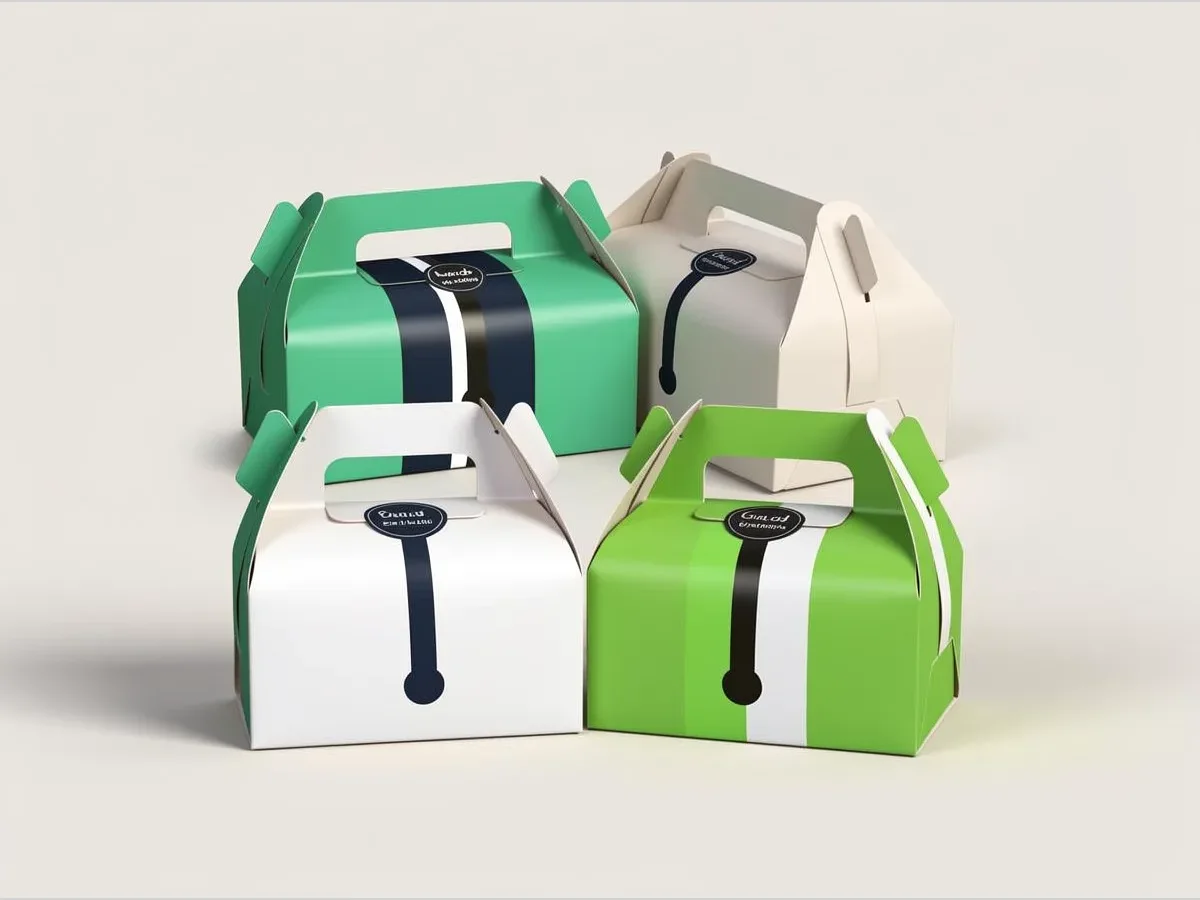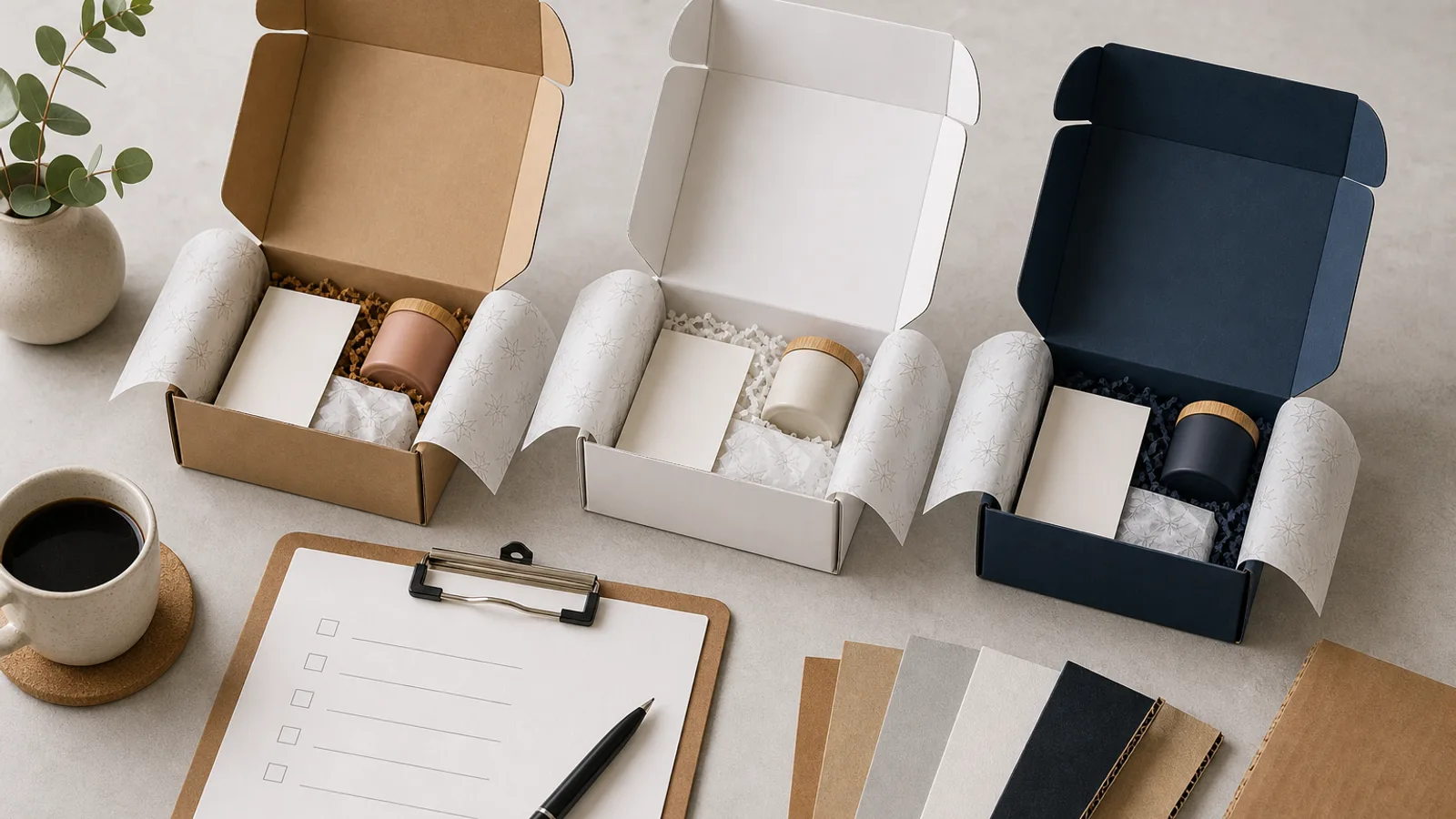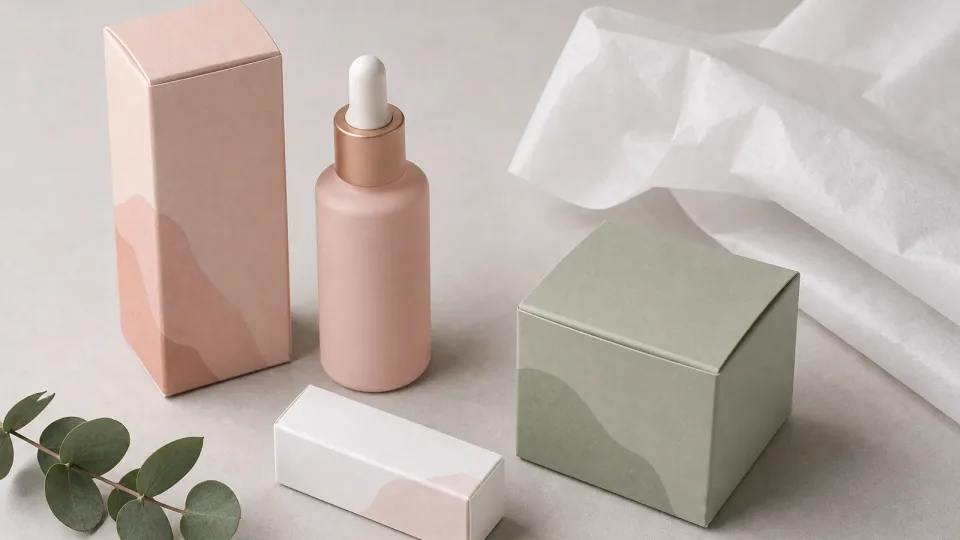
Cosmetics packaging is where brand perception, product protection, and regulatory compliance meet. A skincare jar may be the hero, but the carton around it — or the mailer that arrives on a customer’s doorstep — is what shoppers judge first on shelf and what they photograph after unboxing. Getting packaging for cosmetics right means choosing the right format, board grade, finish, and print spec before you commit to a production run. Searches for box cosmetics and packaging for makeup usually point to the same folding carton and rigid beauty box programs. BoxYourBrand produces end-to-end custom packaging for ecommerce and retail brands.
Start with cosmetic boxes specs and the health & beauty industry guide when planning your first run.
This guide walks beauty brands through the full decision path: box types, materials, finishes, sizing, channel strategy, labeling basics, and how to plan a first order. For deeper dives on specific topics, see our linked guides on luxury finishes, small-box sizing, wholesale MOQs, and design checklists.
Key takeaways
- Folding cartons suit retail jars and tubes; rigid boxes suit prestige fragrance and gift sets.
- Reserve regulatory panels for ingredients, net weight, and distributor copy before full-bleed art.
- DTC brands often ship retail cartons inside branded mailers for consistent unboxing.
- MOQs typically start at 250–500 for paperboard and higher for rigid formats.
Types of cosmetic packaging
Most beauty brands rely on a small set of structural formats. The right choice depends on product shape, retail vs DTC channel, and price positioning. Use the quote wizard to compare quantity tiers side by side.
| Format | Best for | Channel fit |
|---|---|---|
| Tuck-end folding carton | Jars, compacts, tubes | Retail + DTC |
| Sleeve-and-tray | Gift sets, multi-SKU kits | Retail, DTC gifting |
| Rigid set-up box | Premium fragrance, hero launches | Retail, luxury DTC |
| Window carton | Color cosmetics, candles | Retail impulse |
| Branded mailer | DTC fulfillment, subscriptions | Ecommerce |
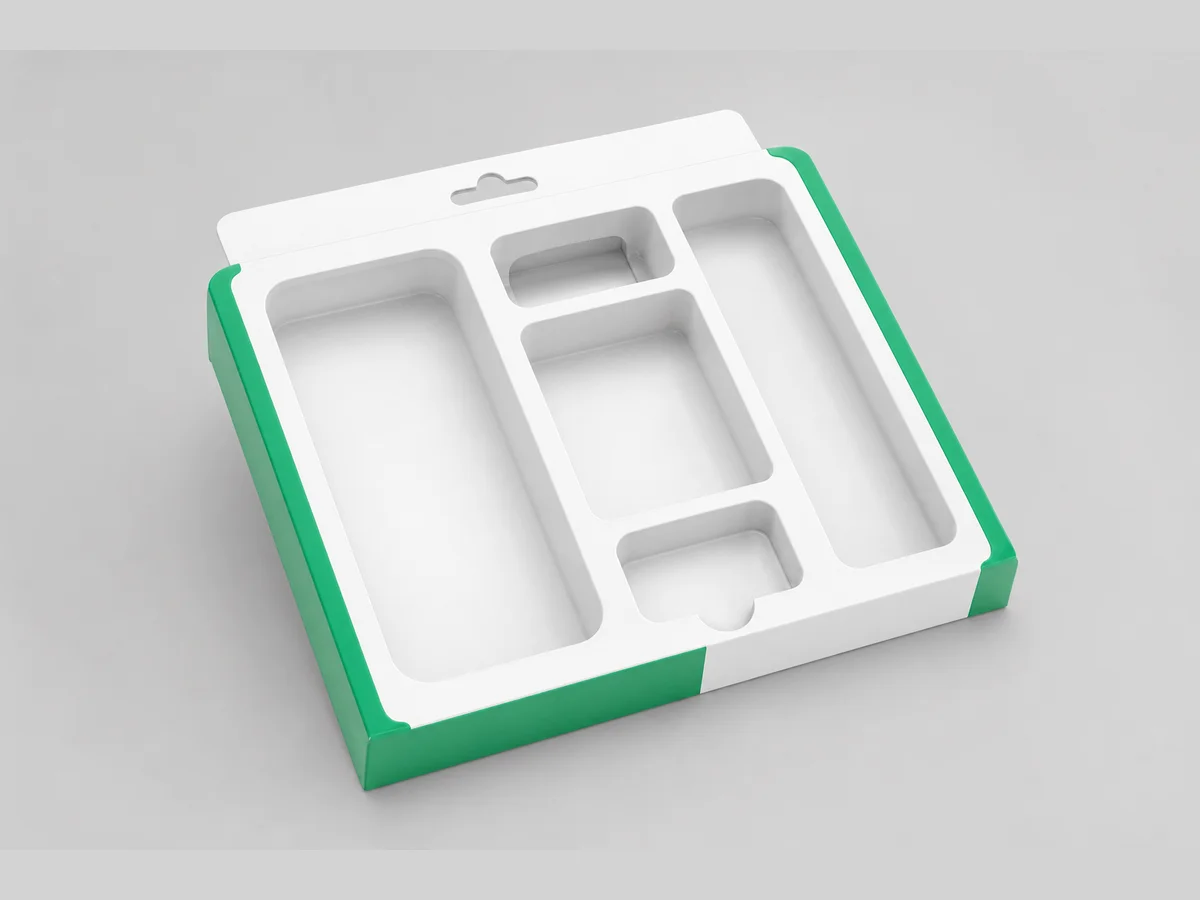
Glass cosmetic jars need cartons with die-cut inserts or molded cavities so glass does not rattle — specify jar diameter and lid height when quoting cosmetic boxes.
Sleeve-and-tray kits and rigid set-up boxes suit gift collections and limited-edition launches. DTC brands often ship retail cartons inside a branded mailer for a consistent unboxing experience.
All of these are available as custom cosmetic packaging boxes with dielines sized to your exact product dimensions and finish goals. Body lotion and pump bottles typically use custom lotion boxes sized to pump height and overcap clearance.
Materials and board grades
Material choice affects print quality, hand feel, sustainability positioning, and cost. Explore poly mailers when that format fits your SKU mix.
SBS paperboard is the default for retail folding cartons. Its smooth coated surface reproduces fine typography and skin-tone photography — critical for cosmetic boxes packaging on planogram shelves.
Kraft board signals clean-beauty and sustainability values. One- or two-color print on unbleached stock reads artisanal and pairs well with minimal ingredient-forward branding.
Rigid greyboard underpins premium gift sets and magnetic-closure boxes. It does not fold flat, but the structural weight communicates luxury in a way thin paperboard cannot. For curated gift-set presentation beyond folding cartons, see our custom presentation boxes guide.
For products with oil-based formulas, confirm grease-resistant coatings or barrier liners with your supplier. Food-grade and cosmetic-safe board options are standard for health & beauty packaging programs.
Finishes and brand perception
Finish selection is one of the fastest ways to shift perceived value without changing product formulation.
- Matte lamination — modern, understated; common for clinical skincare
- Gloss lamination — vibrant color pop; popular for color cosmetics
- Soft-touch lamination — velvety hand feel; signals premium on shelf
- Foil stamping — gold, rose gold, or holographic accents on logos and borders
- Embossing / debossing — tactile depth for logos and pattern elements
Not every SKU needs every finish. Hero products justify foil and soft-touch; line extensions can share a base laminate with simpler print. Our luxury cosmetic packaging boxes guide breaks down when each finish earns its cost.
Sizing your cosmetic boxes
Oversized cartons make products feel cheap; undersized cartons crush pumps and crack compacts. Size to the assembled product — cap on, pump attached, overcap in place — not just the primary component.
Add 2–3 mm clearance per side when using die-cut inserts. For DTC, confirm the retail carton still fits inside your chosen mailer or shipper without excessive void fill.
Sample kits, travel sizes, and PR mailers have their own sizing logic. See our small cosmetic boxes sizing guide for lipstick, serum vial, and multi-SKU kit dimensions.
Retail vs DTC packaging
Retail and DTC programs often share artwork but differ in structural priorities.
Retail packaging must win at three feet on a planogram: front-panel hierarchy, consistent shelf height across a line, and barcode placement that scanners read reliably. Side and back panels carry INCI lists, net weight, and distributor codes.
DTC packaging prioritizes unboxing: interior print, tissue or insert presentation, and a shipper or mailer that protects the retail carton in transit. Many brands pair a folding carton with a branded mailer so the experience stays consistent from doorstep to vanity.
If you sell through both channels, spec cosmetic boxes packaging once for retail and align outer-shipper dimensions for ecommerce fulfillment. Our health & beauty packaging overview covers recommended format pairings by product category.
Regulatory and labeling basics
Printed cosmetic boxes must balance brand design with mandatory information. Before sending artwork to proof:
- Reserve panel space for INCI ingredient lists, net weight, and country-of-origin statements
- Keep regulatory copy inside safe zones — away from fold lines, glue flaps, and trim edges
- Place barcodes on a flat, low-contrast panel with adequate quiet zone
- Separate finish layers in your artwork file (foil, spot UV, emboss) so prepress can flag registration issues early
A misaligned INCI panel costs a reprint. Our custom printed cosmetic boxes design checklist walks through dieline setup, color proofing, and finish layer preparation step by step.
MOQ, wholesale, and planning your first order
MOQ depends on print method and finish complexity — not just box size. Digital print folding cartons often start around 250–500 units per SKU, while offset litho with foil commonly requires 1,000+ units. Rigid luxury sets vary by insert complexity and board grade.
Most brands order one hero SKU carton plus a mailer or shipper before committing to a full-line wholesale rollout. That validates color, fit, and unboxing before scaling.
For detailed MOQ ranges, pricing drivers, and what to order first, read our wholesale cosmetic boxes MOQ guide.
Sustainability in beauty packaging
Clean-beauty customers expect packaging to match product values. Recycled SBS content, soy- or water-based inks, and curbside-recyclable folding cartons are widely available at competitive price points. Kraft board and minimal-print designs reduce material and ink use without sacrificing shelf presence.
Refill-friendly formats — outer rigid shells with replaceable inner cartridges — are growing in skincare. Even if you start with standard tuck cartons, designing panel layouts that accommodate future refill messaging saves a reprint later.
For broader sustainability trade-offs across formats, see our eco-friendly packaging guide.
Next Steps for Cosmetics Packaging
Cosmetics packaging is a system: format, material, finish, sizing, channel strategy, and compliance all interact. Start with your hero SKU dimensions, channel mix, and finish goals, then request a dieline and digital proof before production.
Get a free custom packaging quote with your product dimensions and quantity targets, order cosmetic box samples to validate fit and finish, or browse custom cosmetic packaging boxes to see available formats and finishes.
Bath and body lines often pair tuck cartons with category-specific dielines — see soap boxes and bath bomb boxes for sizing and MOQ tiers. Complexion products with pumps or pans map to foundation boxes and serum boxes sized to overcap clearance.