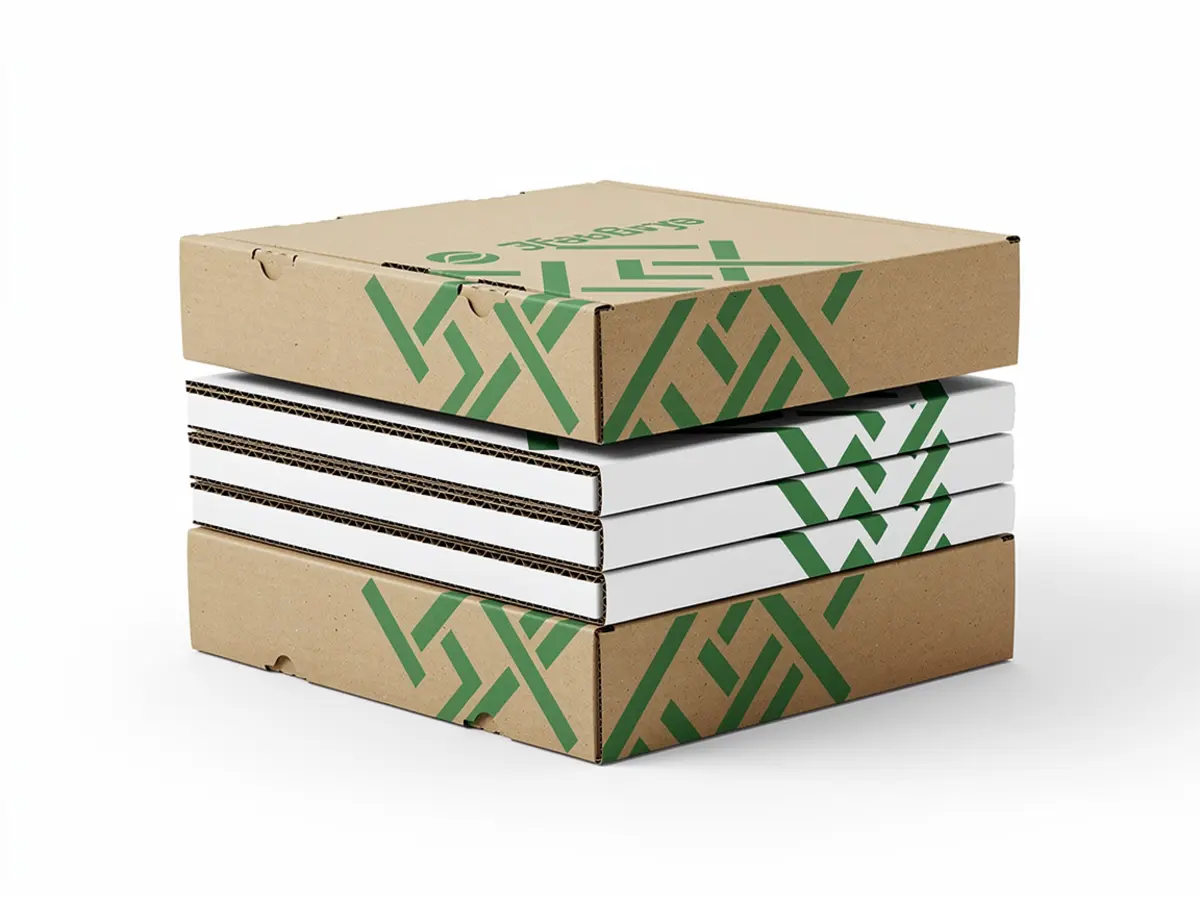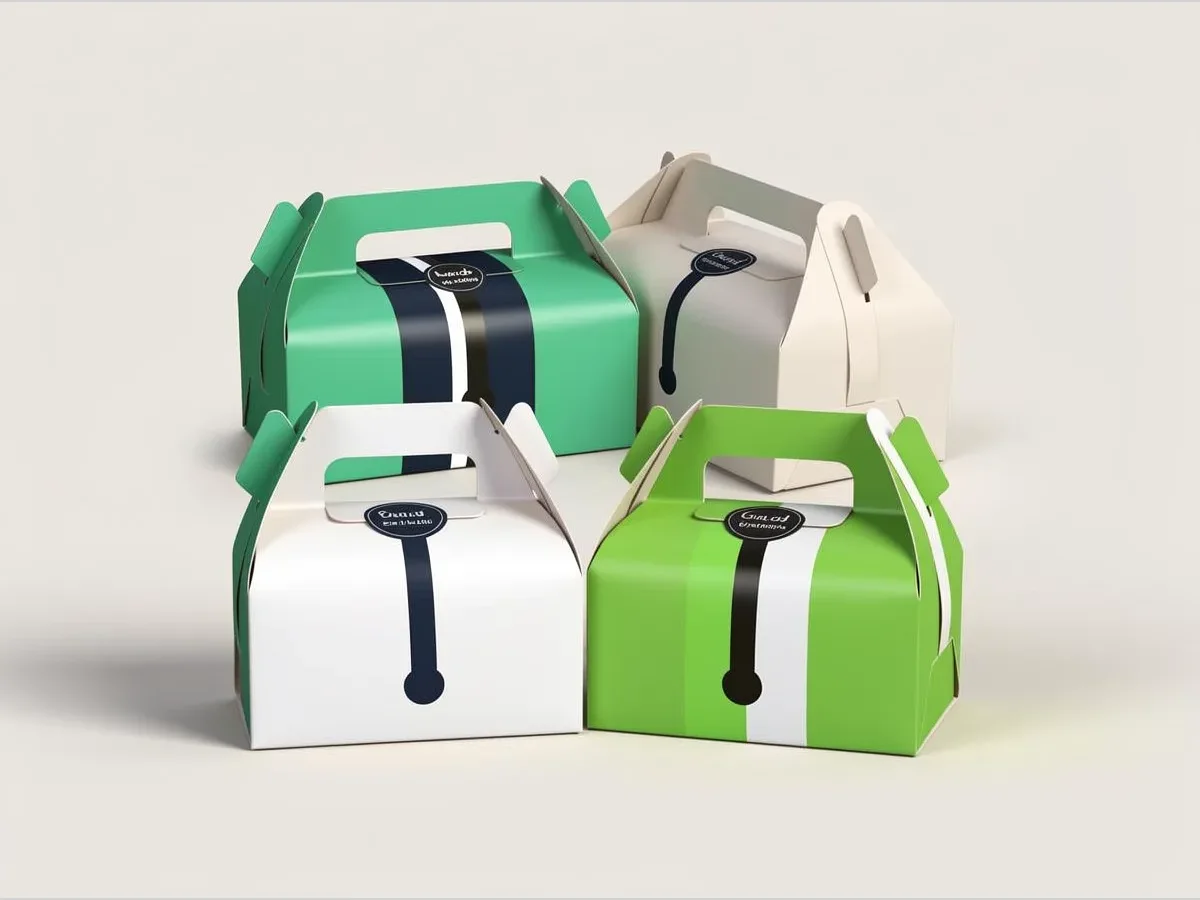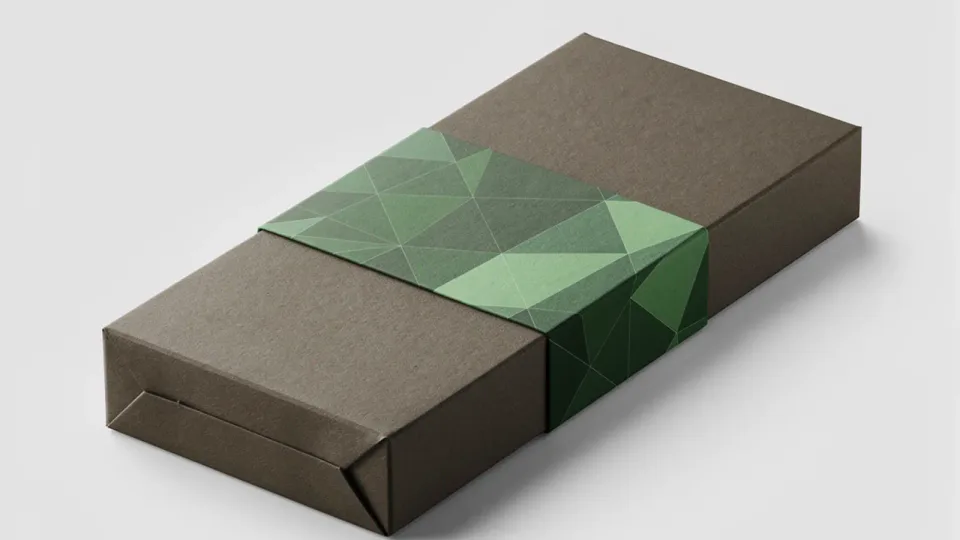
Eco-friendly packaging in 2026 is a trends map — recycled fiber baselines, when compostable film makes sense, coatings, and sourcing — not a full curbside-claims checklist. US brands win credibility with high post-consumer corrugated content, compostable mailers only where customers can compost, and FTC-aligned on-pack language. Explore eco-friendly packaging products and the sustainable packaging hub before spec’ing your next run.
Need help choosing boxes and mailers buyers can actually recycle (coatings, windows, recycled vs recyclable)? Use the recyclable packaging guide.
Key takeaways
- Recycled corrugated content is the baseline sustainability win for most US brands.
- Compostable mailers need compost access — recycled corrugated curbside recycles in most markets.
- Match on-pack claims to coatings, laminates, and local disposal paths to avoid greenwashing — detail in the recyclable packaging guide.
- Right-sizing reduces material waste and carrier DIM charges simultaneously.
Recycled content is the baseline
Post-consumer recycled (PCR) content is now widely available and affordable. Corrugated board can reach up to 100% recycled content while remaining strong and recyclable, making it the easiest sustainability win for most brands. Related formats include custom plastic packaging.
Grease-resistant coatings for food packaging
If you sell food products, specify grease-resistant and moisture-barrier coatings designed for food-safe applications to keep packaging functional and protect your products. Use the quote wizard to compare quantity tiers side by side.
Compostable is not one thing
“Compostable” splits into home-compostable and commercially compostable. Home-compostable materials break down in backyard conditions, while commercial options need an industrial facility. Match the claim to where your customers can actually compost it. See our compostable vs corrugated mailers for the next decision in your workflow.
Inks and finishes matter too
Soy-based and water-based inks lower VOCs compared to conventional petroleum inks. Avoid heavy lamination where possible, since some coatings complicate recycling.
Responsible sourcing
Look for recycled and responsibly sourced fiber when choosing board and paper materials. Label the sustainability attributes clearly so customers know what they are getting.
Recyclable boxes and white cardboard options
Recyclable boxes made from corrugated or paperboard are curbside-recyclable when free of food residue, wax coatings, and non-paper attachments — see the full decision checklist in the recyclable packaging guide. Specify recycled fiber content and avoid heavy plastic lamination where recyclability is a brand claim.
White cardboard boxes (SBS or clay-coated white board) offer clean CMYK print for retail cartons and mailers while still using paper-based, recyclable fiber. Pair white board with soy-based inks for a credible eco story on eco-friendly packaging programs.
A simple 2026 checklist
- Specify recycled content where strength allows.
- Choose grease-resistant coatings for any food contact.
- Pick the right compostable tier for your customers.
- Use soy-based or water-based inks.
- Label sustainability attributes clearly on every product.
Want packaging that checks these boxes? Explore eco-friendly packaging or request a free packaging quote.
Making 2026 eco-friendly packaging claims that hold up
Eco-friendly packaging in 2026 still fails when claims outrun materials. Choose recyclable, recycled-content, or compostable deliberately — then engineer strength.
| Claim | Needs |
|---|---|
| Recyclable | Compatible structure |
| Recycled content | Documented fiber |
| Compostable | Accepted pathway |
Eco packaging checklist for 2026
- State the claim in the brief first.
- Match structure to that claim.
- Test transit strength anyway.
- Soft-proof disposal copy.
- Keep web and on-pack language identical.
Claim discipline for 2026 eco programs
Right-size before exotic films. Damage returns erase footprint gains. Ask suppliers for written specs that support your marketing.
Eco packaging pitfalls to avoid in 2026
- Compostable claims without local acceptance
- Coatings that block recycling
- Vague “green” language without data
Build an eco-friendly packaging roadmap
Share claim goals and SKU weights. We will recommend materials and structures for eco-friendly packaging you can defend in 2026.
Right-size first, then choose the eco path
The highest-impact eco move for many DTC brands is still a smaller mailer that cuts DIM — before switching films. Pair right-size with recycled corrugated or verified compostable paths as needed.
Keep 2026 claims specific. Attach the claim you want on pack to the quote so materials are chosen to support it, not the other way around.
Supplier documentation for eco claims
Ask for written material specs that match the claim you will print. Marketing pages should cite the same language as the PO.
Attach claim wording to 2026 eco packaging quotes so engineering can say yes or no early.