High end packaging fails in two opposite ways: a brand overpays for rigid theater on a SKU that only needed a sharp folding carton — or under-specs a gift set so the unboxing feels like a shipping box with nicer ink. The buying decision is not “add foil.” It is matching structure, finish stack, and supplier capability to the job the pack must do.
This guide helps US beauty, gifting, jewelry, and premium DTC buyers choose between rigid and carton paths, decide which finishes earn their cost, and brief a luxury packaging supplier without wasting a quote cycle. For finish deep-dives see the holographic and luxury packaging guide; for rigid closures see rigid luxury gift boxes.
Key takeaways
- High-end means structure + hand-feel + opening experience — not logo coverage alone.
- Rigid wins for keepable gift and VIP theater; heavy folding cartons win for retail scale.
- Spec one hero finish stack, not every specialty option on the menu.
- Plan 12–16 business days for many rigid programs after proof approval.
- Sample board weight and magnet snap before locking MOQ (samples).
- Brief suppliers with dimensions, closure, finishes, inserts, and two quantity tiers.
Quick answer: which premium path fits?
| If you need… | Choose | Typical programs |
|---|---|---|
| Keepable gift theater, magnetic or drawer reveal | Rigid greyboard box | Beauty sets, jewelry, watches, corporate VIP |
| Premium shelf look at higher volume | Heavy folding carton + foil/soft-touch | Retail beauty, confectionery, limited CPG |
| Branded parcel unboxing without rigid cost | Premium mailer boxes + interior print | DTC subscriptions, PR kits |
| Seasonal shape as the gift cue | Specialty die-cut / shaped rigid or carton | Heart, round, holiday editions — gift boxes guide |
If the customer is likely to keep the box, bias rigid. If the pack must ship flat and stock densely, bias folding carton.
What buyers mean by high-end packaging
In commercial RFQs, “high end packaging” usually implies some mix of:
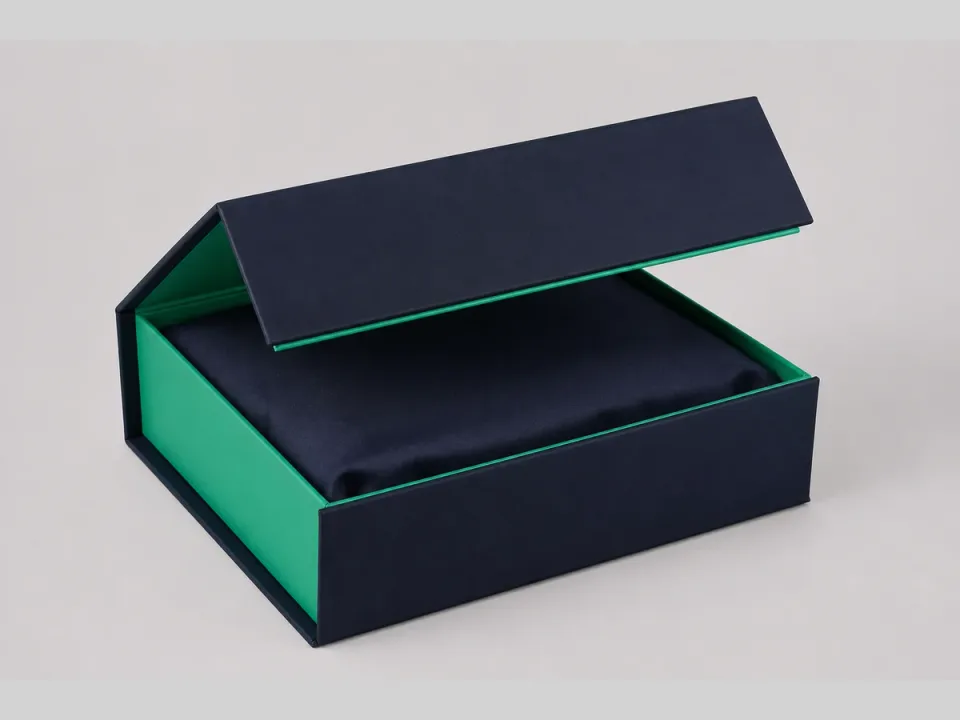
- Structure — Rigid greyboard wrap, shoulder-neck, magnetic closure, or drawer slide — see presentation boxes.
- Tactile finishes — Soft-touch, foil stamp, emboss/deboss, spot UV, specialty wraps.
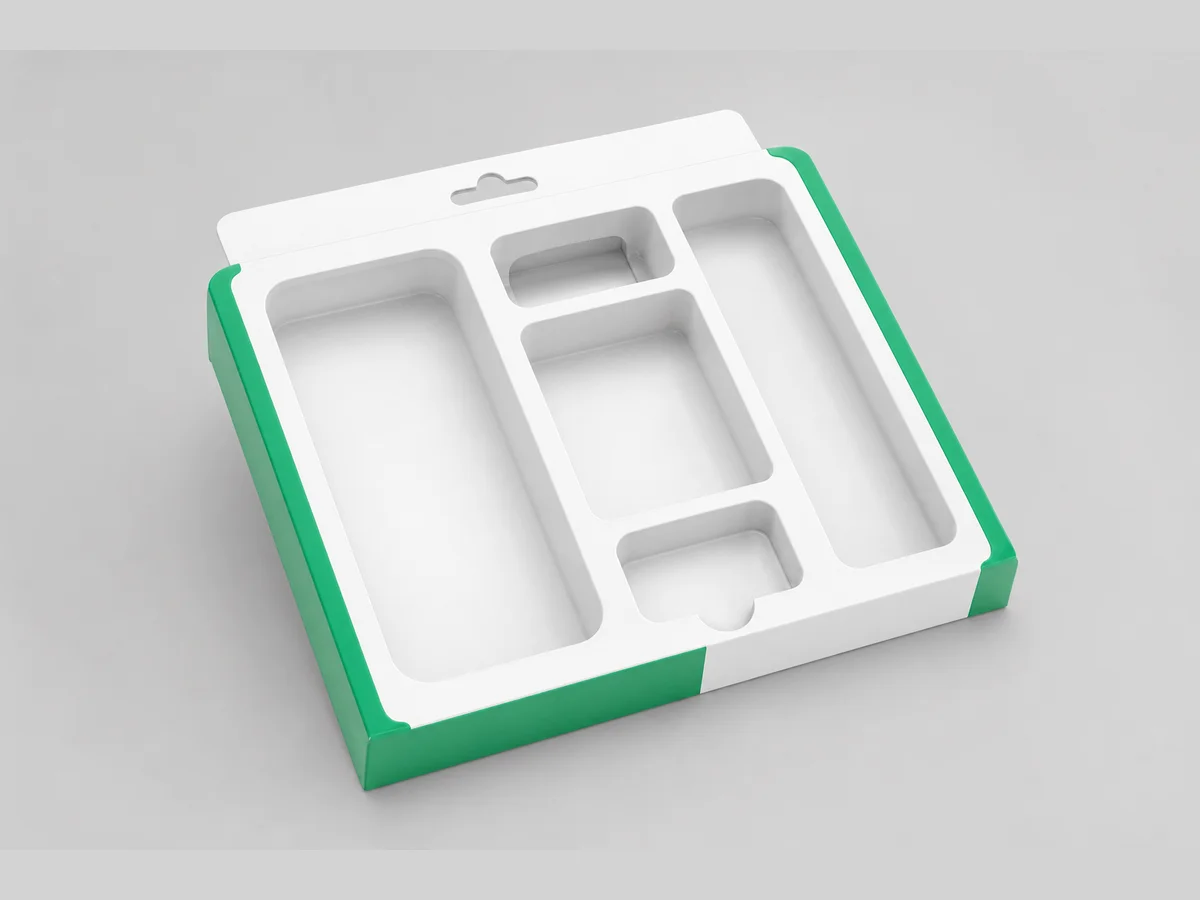
- Interior architecture — Fitted foam, velvet, pulp, or paperboard cradles (custom inserts).
- Opening choreography — Lift resistance, ribbon pull, click of magnets — the “theater” moment.
- Supplier process — Proof discipline, sample program, and finish registration that match premium expectations.
A full-bleed logo on thin E-flute can still look cheap if the structure flexes and the lid warps. Conversely, a restrained rigid wrap with one foil mark often outranks a busy holographic carton for perceived quality.
Rigid vs folding carton vs premium mailer
Rigid luxury boxes
Best for: Gift sets, jewelry and watch boxes, fragrance, VIP kits, keepsake launches.
Tradeoffs: Higher unit cost; typically ships formed (not flat); longer production (often 12–16 business days); MOQs that reflect hand wrap and assembly.
Buyer signal: The box is photographed as part of the product and expected to be reused.
Heavy folding cartons
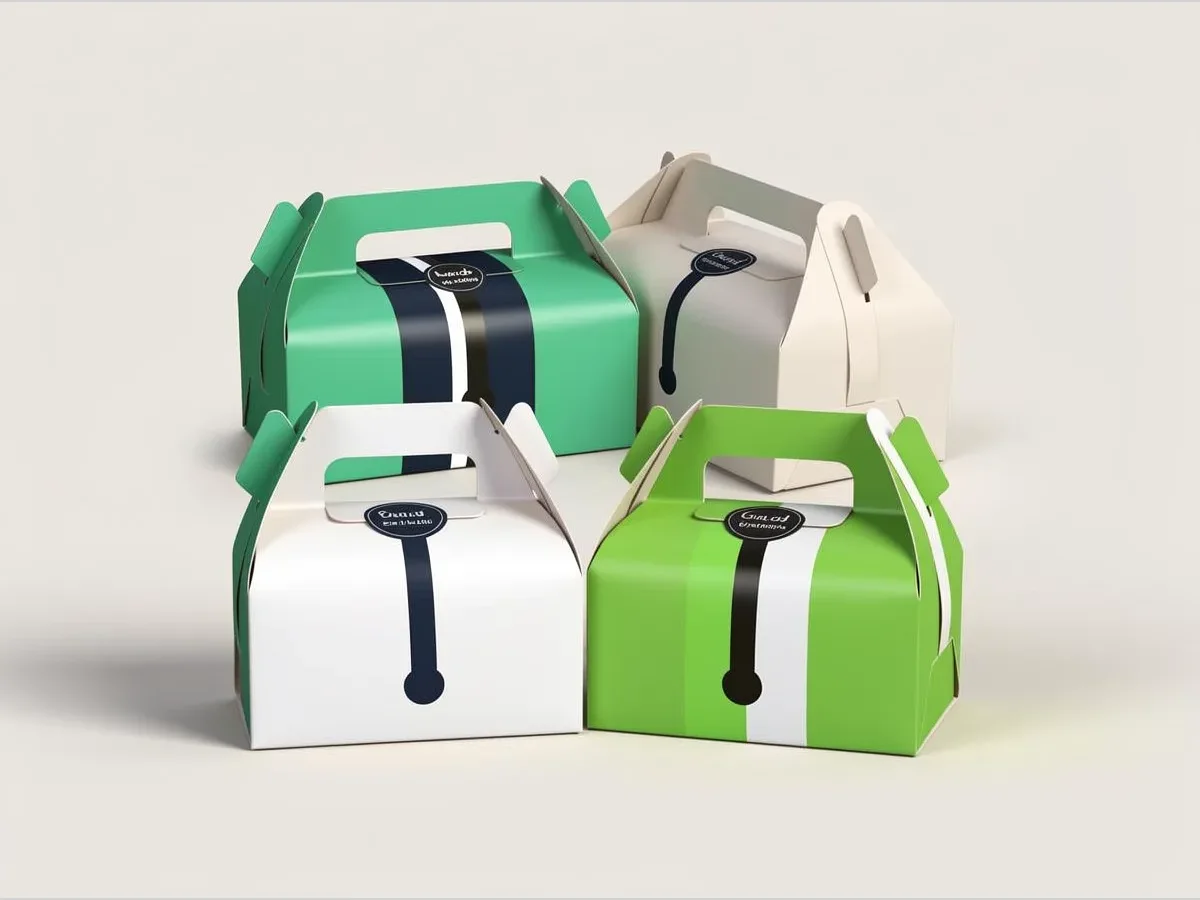
Best for: Retail shelf packs that need premium print and foil without rigid assembly — often paired with cosmetic boxes or folding cartons.
Tradeoffs: Less keep-rate theater than rigid; still excellent for brand color and finish accents at scale.
Buyer signal: Doors, planograms, and unit economics matter as much as unboxing video.
Premium mailers and PR kits
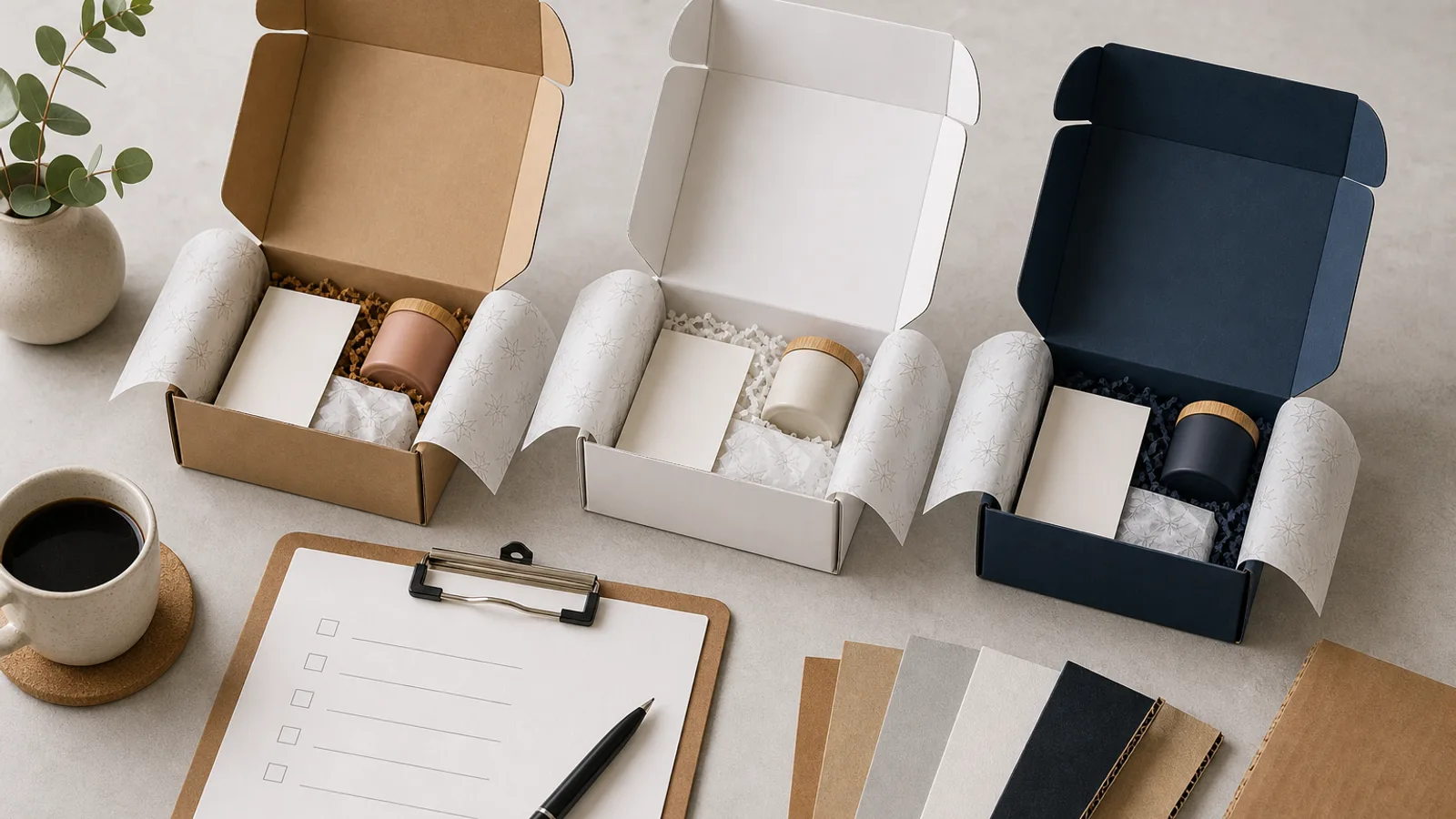
Best for: DTC parcels and influencer kits where the outer shipper is the brand moment — interior print, sturdy mailer board, curated tissue.
Tradeoffs: Not a substitute for rigid gift presentation inside a retail gift set. Pair a mailer with an inner rigid or carton when both ship and gift jobs exist. See the PR package guide.
Finishes that earn their cost (and ones that do not)
Spend finish budget where fingers and cameras land:
| Finish | When it earns the cost | When to skip |
|---|---|---|
| Soft-touch laminate | Beauty, lifestyle, gift lids | Greasy food contact or heavy scuff environments without protection |
| Foil stamp (logo/accent) | Instant premium cue on restrained designs | Full-panel foil that fights photography and recycling goals |
| Emboss / deboss | Logo authenticity on uncoated or soft wraps | Tiny type that fills with ink |
| Spot UV | Contrast patterns on matte grounds | Busy art that already has glare |
| Full holographic wrap | Limited editions, collectible shimmer | Everyday hero SKUs that need quiet luxury |
Holographic is optional, not the definition of luxury. Detail lives in the holographic luxury packaging guide and foil vs emboss guide.
If you claim recyclable packaging on a premium wrap, align finishes with the recyclable packaging guide — heavy film stacks can undermine the claim.
Who to buy high-end packaging from
Premium programs fail when the supplier is great at RSC shippers but weak at foil registration or rigid wrap. Evaluate partners on:
- Structure depth — Rigid, magnetic, drawer, and insert engineering — not only print-on-corrugated.
- Sample program — Can you feel board and magnet snap before MOQ? (how to order packaging samples)
- Proof workflow — Digital proof before production; revision path for foil/emboss registration.
- MOQ honesty — Pilot tiers (often 50–249) vs volume breaks without bait-and-switch board grades.
- Turnaround transparency — Rigid timelines called out separately from mailer standards.
- Reorder tooling — Dies and foil dies retained for holiday repeats.
- Comparable quoting — Same brief yields structure + finish + freight assumptions (how to get a packaging quote).
BoxYourBrand produces custom luxury packaging with lift-lid, drawer, shoulder-neck, and magnetic styles, plus foil, emboss, soft-touch, and custom inserts — with samples and free packaging quotes on the same project track. Small brands comparing first suppliers can also use the small business packaging guide.
MOQ, cost, and calendar reality
- Unit cost rises with greyboard caliper, wrap complexity, magnets, multi-piece lids, and insert cavities — see custom packaging cost factors.
- Shared tooling across shades or seasonal wraps cuts per-SKU cost: one structure, multiple wraps.
- Holiday math: At 12–16 business days production plus freight, gift programs due in early November usually need structure locked by late summer.
- Quote two quantity tiers so finance sees the break where rigid becomes viable.
Buyer checklist for a luxury packaging RFQ
- Product L×W×H (filled) and accessories that ship in-box
- Job: retail shelf / gift keep-box / DTC outer / PR kit
- Structure preference: rigid vs folding vs mailer (+ why)
- Closure: lift-lid, magnetic, drawer, ribbon
- Finish wishlist ranked (must vs nice-to-have)
- Insert type and fragility notes
- Quantity + next volume tier
- Sustainability or labeling constraints
- In-hands date and ship-to
- Sample yes/no before production
Send the same list to every vendor. Then request a free packaging quote or order samples.
Mistakes that waste premium budgets
- Specifying every finish — Soft-touch + full foil + heavy emboss + holographic often looks cheaper, not richer.
- Using rigid for a disposable outer — If the customer recycles the shipper immediately, put budget into the inner presentation pack.
- Skipping samples on magnets and wraps — Screens cannot show snap force or velvet feel.
- Late artwork on foil — Specialty dies need locked logos earlier than digital flood print.
- Ignoring insert engineering — A beautiful lid with a rattling product still fails the unboxing.
- Comparing unlike quotes — One includes inserts and freight; another is wrap-only FOB.
Decision framework
- Will the customer keep the box? → Lean rigid.
- Is this retail volume first? → Lean premium folding carton.
- Is the hero moment parcel unboxing? → Premium mailer ± inner pack.
- Rank one primary finish and one accent max for the hero SKU.
- Confirm MOQ and luxury turnaround against launch date.
- Sample structure before full wrap production.
- Approve digital proof, then produce.
- Keep tooling for reorders and seasonal wrap changes.
Common questions
What counts as high-end packaging?
Structure, tactile finishes, and opening experience that raise perceived product value — typically rigid or heavily finished cartons with intentional interiors.
Rigid or folding carton?
Rigid for keepable gift theater; folding for shelf-scale premium print. Many brands use both across the line.
What MOQ should I expect?
Often 50–500+ for rigid depending on complexity; ask for the next volume break on the same quote.
How long does production take?
Plan about 12–16 business days after proof for many rigid luxury builds.
Should I sample first?
Yes when hand-feel or fit is part of the sale. Use the samples guide test checklist.
Is holographic required?
No. Quiet foil and soft-touch frequently read more premium.
Conclusion
Buying high end packaging is a structure decision first, a finish decision second, and a supplier-capability decision always. Match rigid, carton, or premium mailer to how customers experience the brand — then brief finishes and inserts with the same discipline you use for product design.
Explore luxury packaging boxes, compare finishes in the holographic luxury guide, order samples, or request a free packaging quote with the checklist above.