Search PR package meaning (or “pr package mean”) and you will find the same short answer everywhere: a free product kit brands send to influencers and press. The more useful question is the second one — what makes a PR package get posted instead of shelved? The answer is mostly packaging, and partly planning. BoxYourBrand produces end-to-end custom packaging for ecommerce and retail brands.
This guide covers what PR packages are, how to plan and budget a seeding campaign, how to pick creators, the box specs that earn film time, and how to measure whether it worked. For the box format itself, see custom mailer boxes and packaging samples before you lock MOQ — size with the box size calculator, then read our guide to designing a shareable mailer box.
What a PR package is (and isn’t)
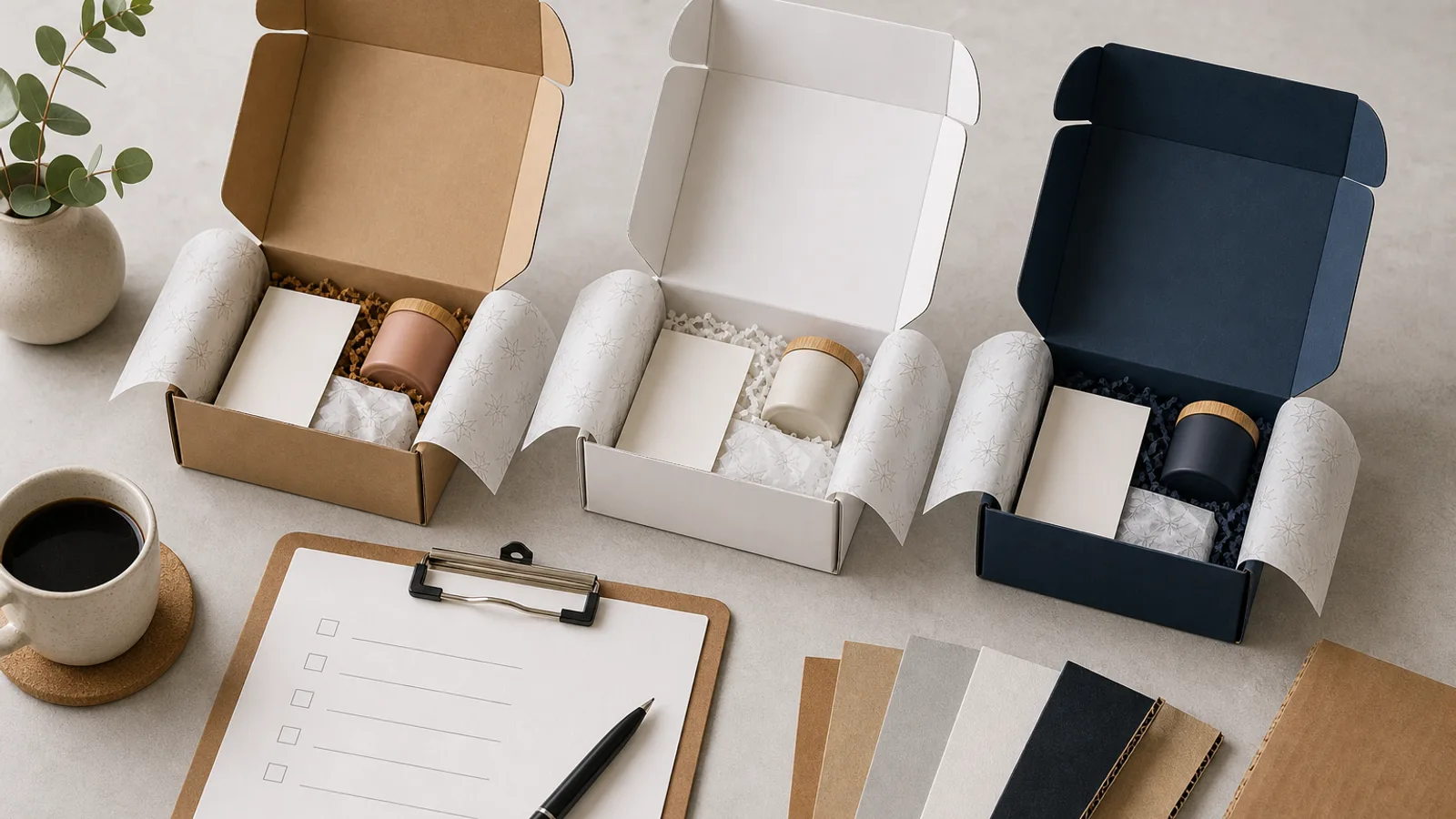
Validate board feel and print quality with packaging samples before locking production MOQ.
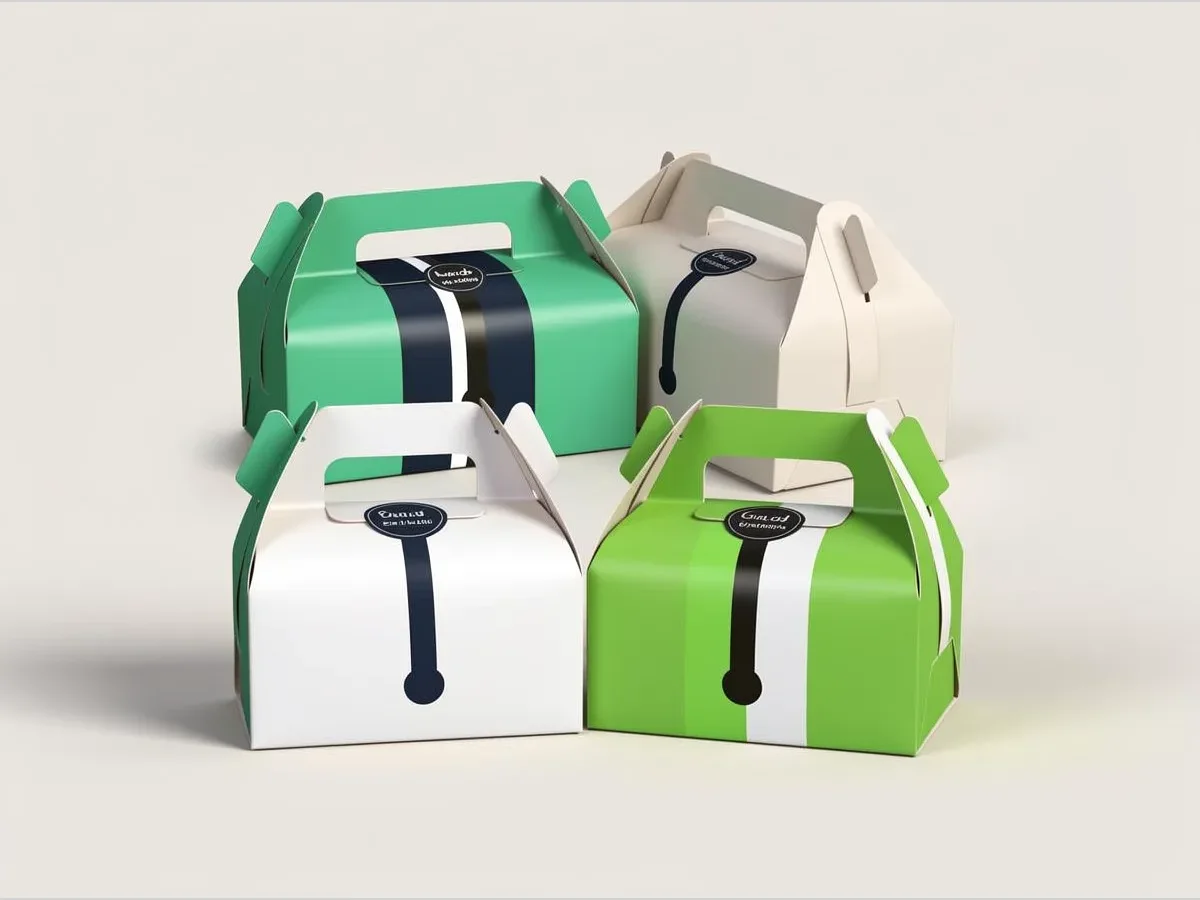
A PR package — also called a PR box, press kit, or influencer kit — is a curated product mailer sent unpaid, or as part of a paid partnership, to creators, editors, and tastemakers. Unlike a sales order, its job is to be filmed. The box, the reveal sequence, and the staging are the campaign. Related formats include corrugated shipping boxes.
It is not a sample dump. Crowded, unstyled boxes read as spam and rarely get coverage. A creator receiving twenty packages a week is deciding in about four seconds which ones are worth setting up a camera for. Request a free packaging quote to compare quantity tiers side by side.
Planning the campaign before you order boxes
Most seeding campaigns fail on planning, not packaging. Work through five questions before you commit to a dieline:
- What is the campaign actually for? A product launch, a category expansion, and a rebrand each want different creators and different kit contents. “Get more content” is not a goal you can design against.
- What is the single hero item? A kit with one clear hero and three supporting pieces films cleanly. A kit with five equal items has no reveal moment.
- How many boxes, and in how many waves? Sending in two waves lets you fix what did not land. Wave one of 25 tells you whether the concept works before you produce 200.
- What is the ask? Unpaid seeding gets you a chance at coverage, not a commitment. If you need guaranteed deliverables, that is a paid partnership with a brief, and the kit should be built to support it.
- What is the follow-up? A kit with no follow-up email is a gift. A kit with a short, specific follow-up is a campaign.
Choosing creators
Follower count is the least useful selection criterion, and it is the one most brands default to.
- Category fit over reach. A 15,000-follower creator whose audience is specifically your category will outperform a 500,000-follower generalist on conversion nearly every time.
- Check whether they film unboxings at all. Some creators post polished flat-lays and never open a box on camera. Sending them a reveal-optimized kit wastes both the box and the opportunity.
- Look at recent posting rhythm, not peak. A creator who posted daily last year and monthly now is not going to prioritize your package.
- Audience geography. If you cannot ship to a creator’s audience, coverage generates demand you cannot fill.
- Micro-tier volume beats macro-tier prestige for most seeding budgets. Twenty micro creators at $40 per kit costs the same as one macro kit and produces far more content.
Budget
Budget per unit across four lines, then multiply by wave size:
| Line item | Typical share | Notes |
|---|---|---|
| Product | 40–60% | Full-size hero, not a sample, if you want honest coverage |
| Packaging | 15–25% | Box, insert, tissue, sticker seal, printed card |
| Personalization | 5–10% | Handwritten or variable-printed notes |
| Shipping | 15–25% | Higher for creators outside your main market |
A typical beauty or wellness kit lands between $25 and $60 all-in. Fifty boxes at $40 is a $2,000 campaign — small enough to test and large enough to learn from. Resist the urge to cut the packaging line to fund more units, because the packaging is the variable that determines whether any of it gets filmed.
Anatomy of a PR box that gets filmed
| Layer | What works on camera |
|---|---|
| Outer box | Custom mailer with full exterior print — color pops in thumbnails |
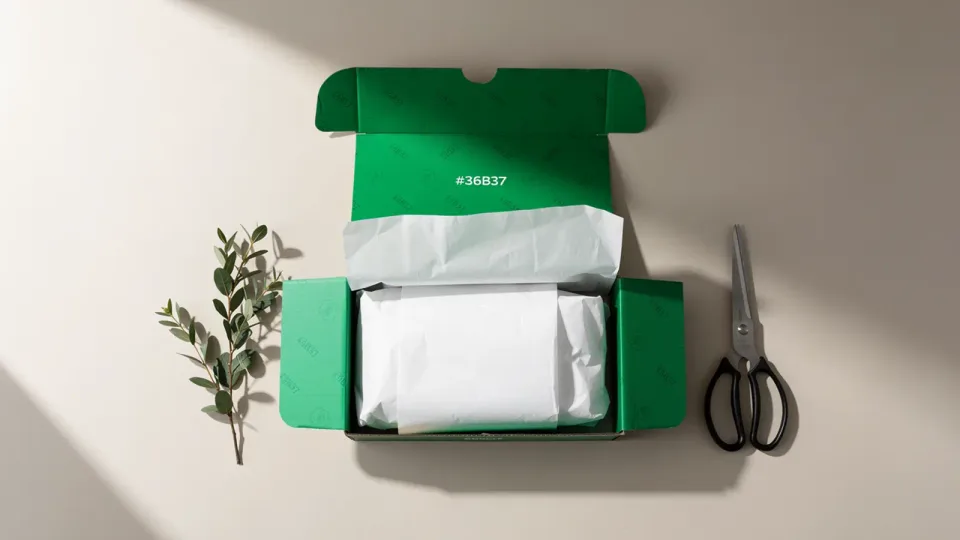
| First reveal | Interior lid print, branded tissue, sticker seal |
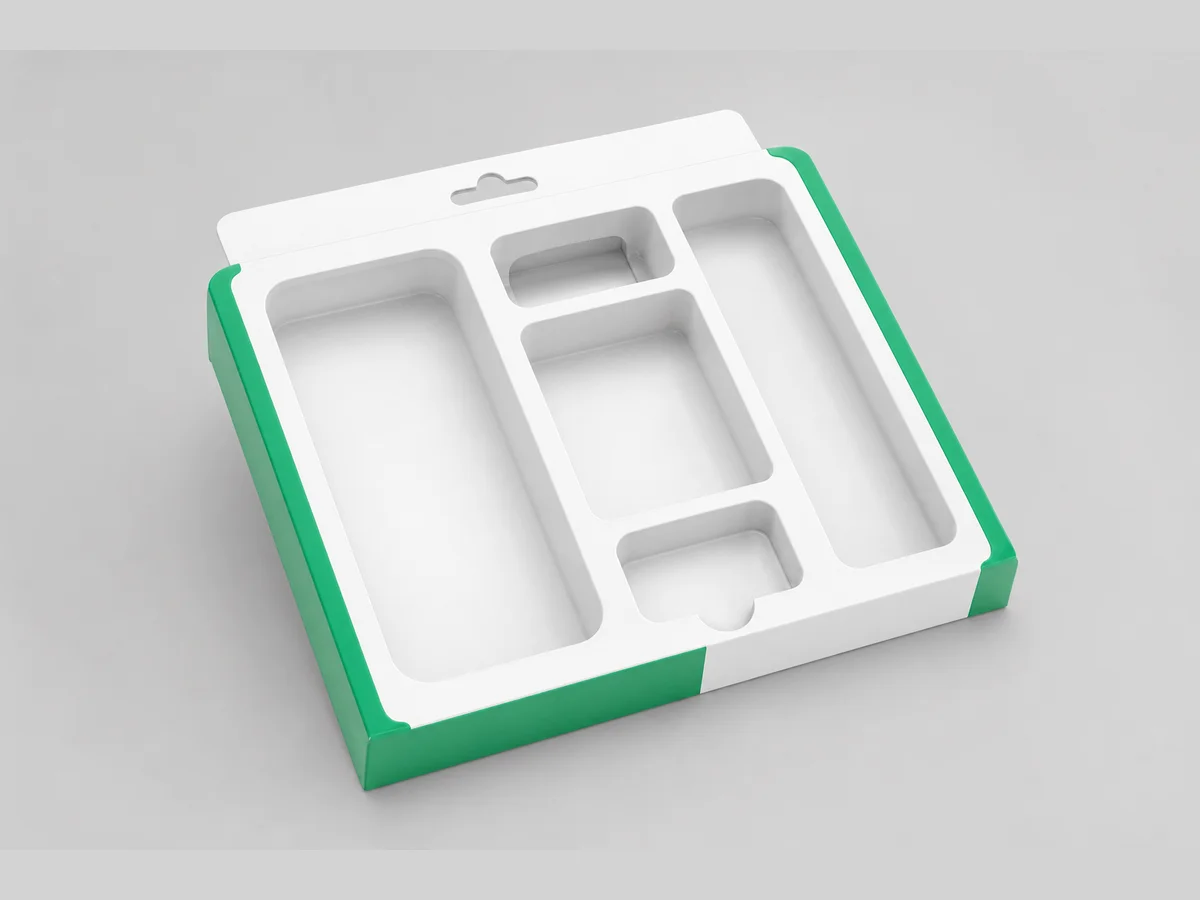
| Staging | Fitted insert holding each item face-up in sequence |
| The note | Personalized card, printed brand story — creators film these |
| Hero product | Center cavity, elevated — the money shot |
| Extras | Samples, stickers, small merch — supporting cast, not clutter |
Packaging specs that matter
- Interior print is non-negotiable. The open-lid shot is the most-filmed frame in unboxing content; a plain brown interior wastes it.
- Fitted inserts stage the sequence. Die-cut or custom inserts hold products face-up so the reveal needs zero arranging.
- Matte finishes film better than gloss. Gloss reflects ring lights; soft-touch and matte laminations read premium on camera.
- Size for the camera frame. Boxes around 10–14“ wide fill a standard vertical video frame without cropping.
- Design the box to open toward the camera. A lid that hinges away from the creator blocks the reveal; front-opening or full-lift lids do not.
- Short runs, seasonal artwork. Digital print makes 50–250-unit campaign runs affordable, so each drop can have its own look.
Personalization that is worth the labor
Personalization is the cheapest lever in the kit and the one most often skipped. A handwritten first name on a printed card measurably increases the share of kits that get opened on camera, because it signals the box was not sent by a list.
Three tiers, by effort:
- Variable print — name printed on the card during production. Zero fulfillment labor, moderate impact.
- Handwritten name on a printed card — a few seconds per box, noticeably better.
- Fully handwritten note referencing recent work — a minute or two per box, and the tier that actually gets read aloud on camera. Reserve it for your top 20 recipients.
Avoid over-personalizing the box itself. A creator’s name printed on the outer mailer looks impressive and makes the box impossible to reassign if they decline.
Measuring whether it worked
Track four numbers per wave, and accept that seeding is a probabilistic channel:
- Post rate — kits that produced content, divided by kits sent. Between 20% and 40% is a normal range for well-targeted unpaid seeding; anything above 50% usually means you selected creators who were already fans.
- Content value — what the posts would have cost as paid placements. This is the number that justifies the budget internally.
- Referral traffic and code redemption — give each wave a unique link or code, even if you expect few conversions. Attribution beats anecdote.
- Reusable assets — content you have rights to repost. Ask for permission in the follow-up; most creators say yes, and it often becomes the campaign’s largest tangible return.
Set expectations before the wave ships. A campaign judged on immediate sales will look like a failure; the same campaign judged on content volume and cost-per-asset frequently looks excellent.
A sample creator brief
Keep it to one page. Anything longer gets skimmed.
Brand: [Name] — one sentence on what you make and who it is for. What is in the box: hero product plus supporting items, one line each. Why we chose you: a specific reference to their recent work, not a template line. The ask: “No obligation. If you like it, we would love to see it — tag @brand.” Or, for paid: the exact deliverables, timeline, and usage rights. Disclosure: “Please disclose this as gifted per FTC guidelines.” Timing: any launch date that matters, and whether posting before it is a problem. Contact: a real person’s name and email, not a shared inbox.
PR runs vs everyday packaging
Most brands do not ship their PR box to every customer. They run a premium short-run PR edition in custom mailer boxes alongside the standard e-commerce mailer — same dieline, upgraded finishes and insert. VIP or beauty launches sometimes step up to luxury packaging for a smaller creator tier. That keeps unit economics sane while giving creators something worth filming, and it means the PR box reuses tooling you already paid for.
Planning a seeding campaign? Request a free packaging quote with your product dimensions and campaign quantity — PR-run MOQs start at 50 units with free design support. For budget planning, pair this with custom packaging cost factors.