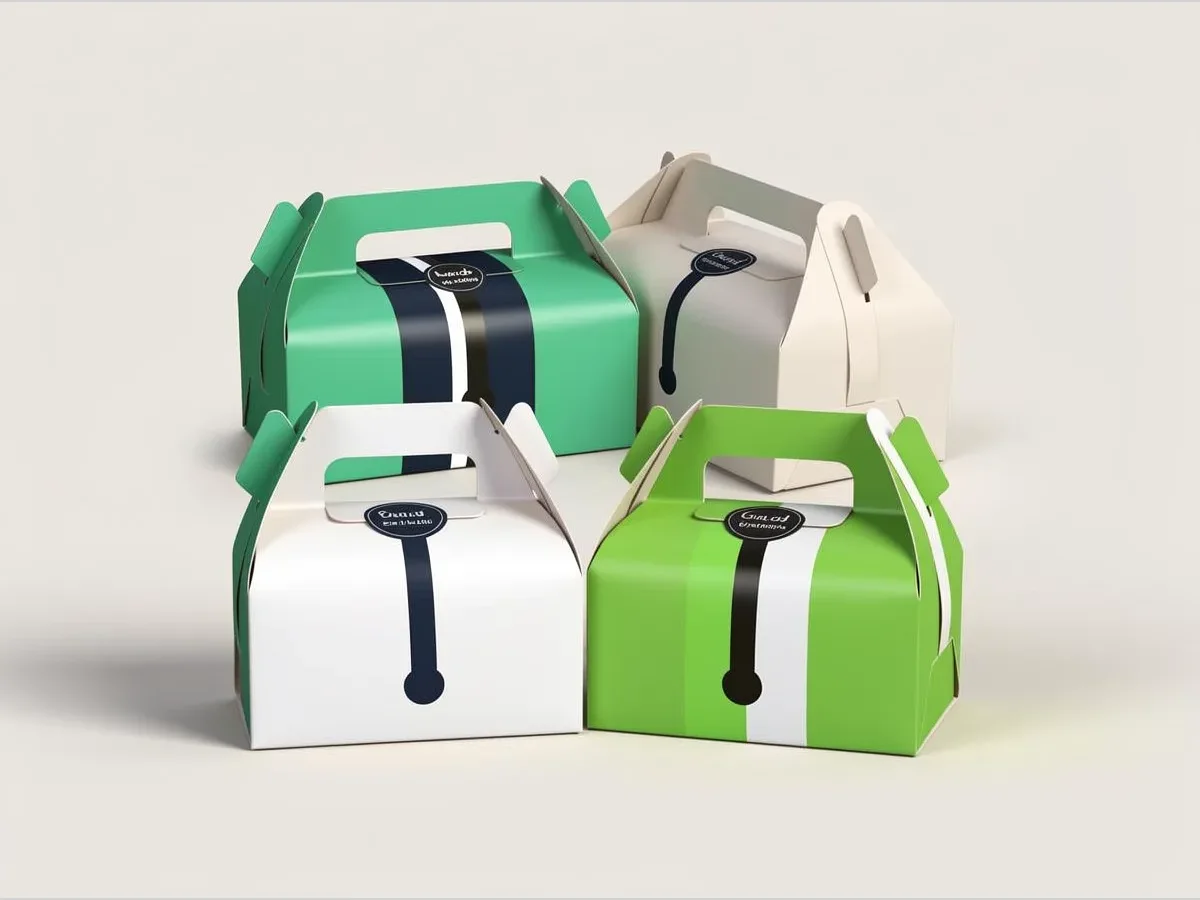
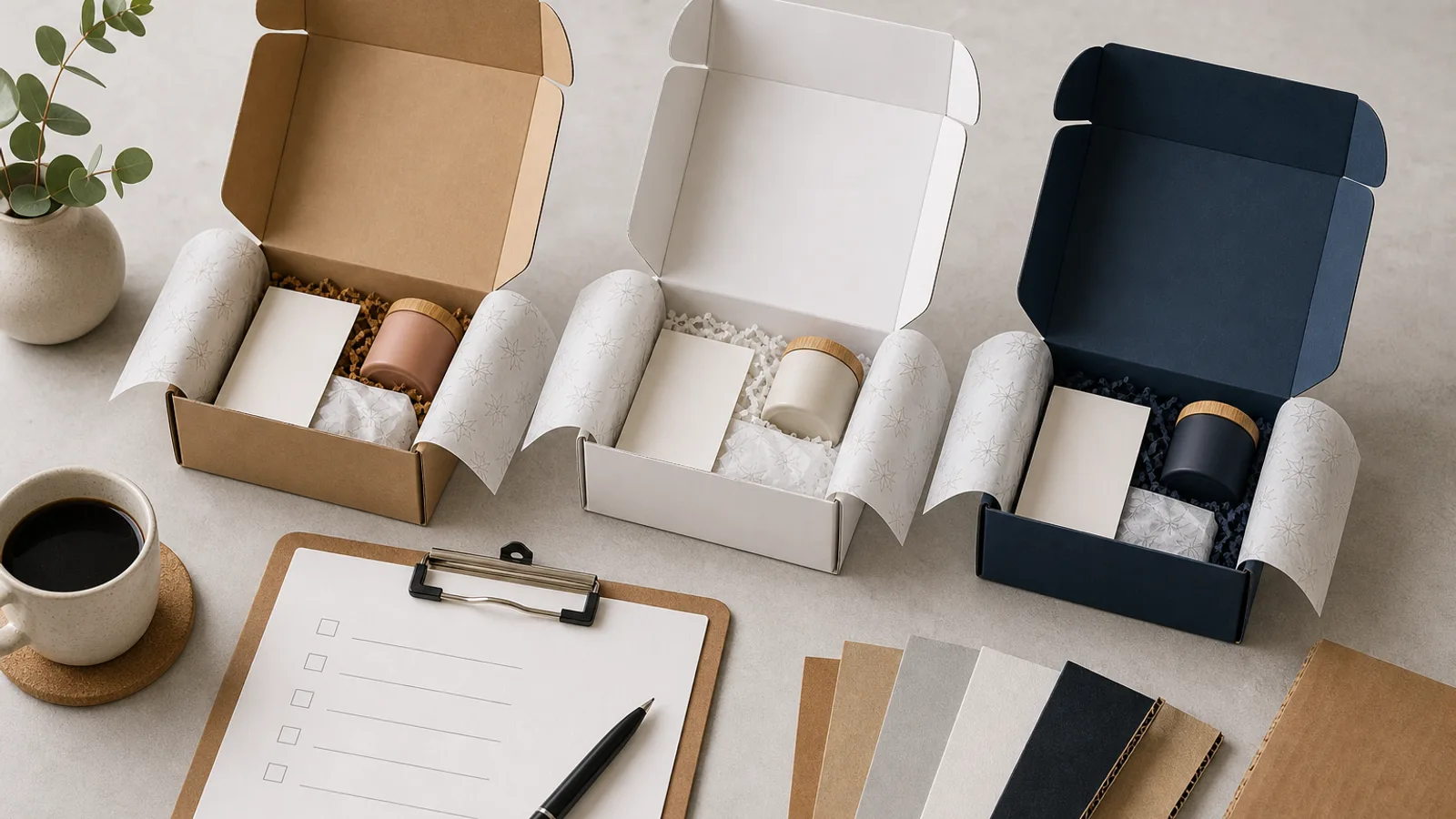
Foil stamping and embossing are the two most requested premium finishes on custom packaging — foil adds reflectivity and color pop; emboss adds tactile dimension that customers feel before they read a word. Beauty, jewelry, spirits, and gift brands use these finishes to signal quality at shelf and in unboxing video. They are not interchangeable: foil is a deposited layer; emboss is a physical deformation of board or wrap. Combining spot foil on an embossed logo is a common luxury pattern when budget allows tooling. BoxYourBrand produces specialty luxury boxes and cosmetic boxes with foil, emboss, deboss, and soft-touch lamination.
This guide compares foil vs emboss on packaging for cost, impact, and production planning.
Key takeaways
- Foil = metallic or pigment film applied to surface; emboss = raised (or deboss = recessed) texture.
- Spot foil on logo zones costs less than flood foil coverage.
- Emboss requires tooling — amortize across MOQ for unit economics.
- Combine spot foil + emboss on hero SKUs; use print-only on replenishment lines.
What is foil stamping?
Foil stamping transfers a thin film (metallic, holographic, or pigment) to board using heat and pressure on a die. Common on cosmetic cartons, rigid gift boxes, and premium mailer lid logos.
Types:
- Spot foil — Logo or icon only; most cost-efficient premium accent.
- Flood foil — Full panel coverage; maximum impact, highest foil cost.
- Holographic foil — Trend-forward beauty and collectible packaging — see holographic luxury packaging guide.
Foil sits on top of print and lamination — artwork must reserve foil zones in prepress.
What is embossing?
Embossing raises a design above the board surface using matched male/female dies. Deboss recesses the design. Both add tactile premium feel without necessarily adding color.
Emboss works on:
- Folding cartons and mailer lids
- Rigid wrap covers on luxury rigid boxes
- Interior lid print zones on gift sets
Deep emboss on thin E-flute mailers needs review — excessive depth can weaken panel stiffness.
Foil vs emboss comparison
| Factor | Foil stamping | Emboss / deboss |
|---|---|---|
| Primary effect | Visual shine, color accent | Tactile texture, shadow |
| Tooling | Foil die per shape | Emboss die pair |
| Best on | Logos, borders, patterns | Wordmarks, monograms, seals |
| MOQ sensitivity | Moderate | Higher (emboss tooling) |
| Pairs with | Soft-touch matte lamination | Spot foil (registered combo) |
| Typical categories | Beauty, wine, jewelry | Luxury gift, watches, spirits |
Read luxury cosmetic packaging boxes for beauty-specific finish stacks.
Cost and MOQ planning
Specialty finishes shift economics:
- Digital print mailers — lowest MOQ, no foil/emboss — baseline DTC tier.
- Spot foil logo — moderate uplift; common at 500–2,500 units.
- Emboss + spot foil — hero SKU treatment; tooling spread over highest-volume line extension.
Segment finishes by SKU tier rather than applying full luxury stack to every variant. Use wholesale cosmetic boxes MOQ guide for volume planning.
Design tips
- Register foil art to emboss dies — misalignment shows on camera and at shelf.
- On soft-touch laminate, foil adhesion differs from gloss — proof on intended stack.
- Keep emboss away from barcode and regulatory panels — distortion affects scan and legibility.
- Interior emboss on rigid boxes adds reveal moment — pair with rigid luxury gift boxes guide.
See design custom packaging artwork for prepress handoff with finish callouts.
Ordering specialty finishes
Share quantity tiers, board type, finish zones (spot vs flood), and reference photos of desired effect. Request cosmetic or luxury box quote. Order samples with finish stack before production MOQ.
Explore health & beauty packaging for category finish norms.