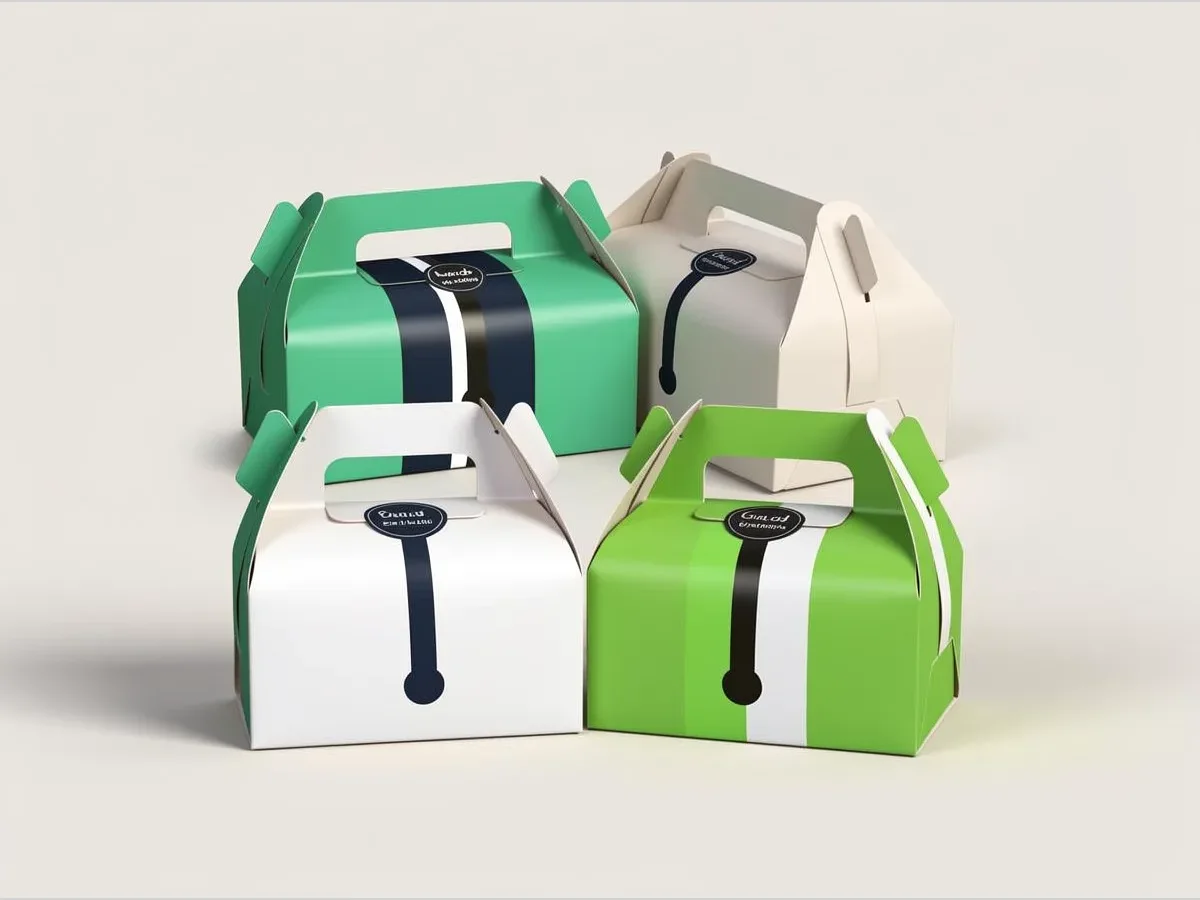
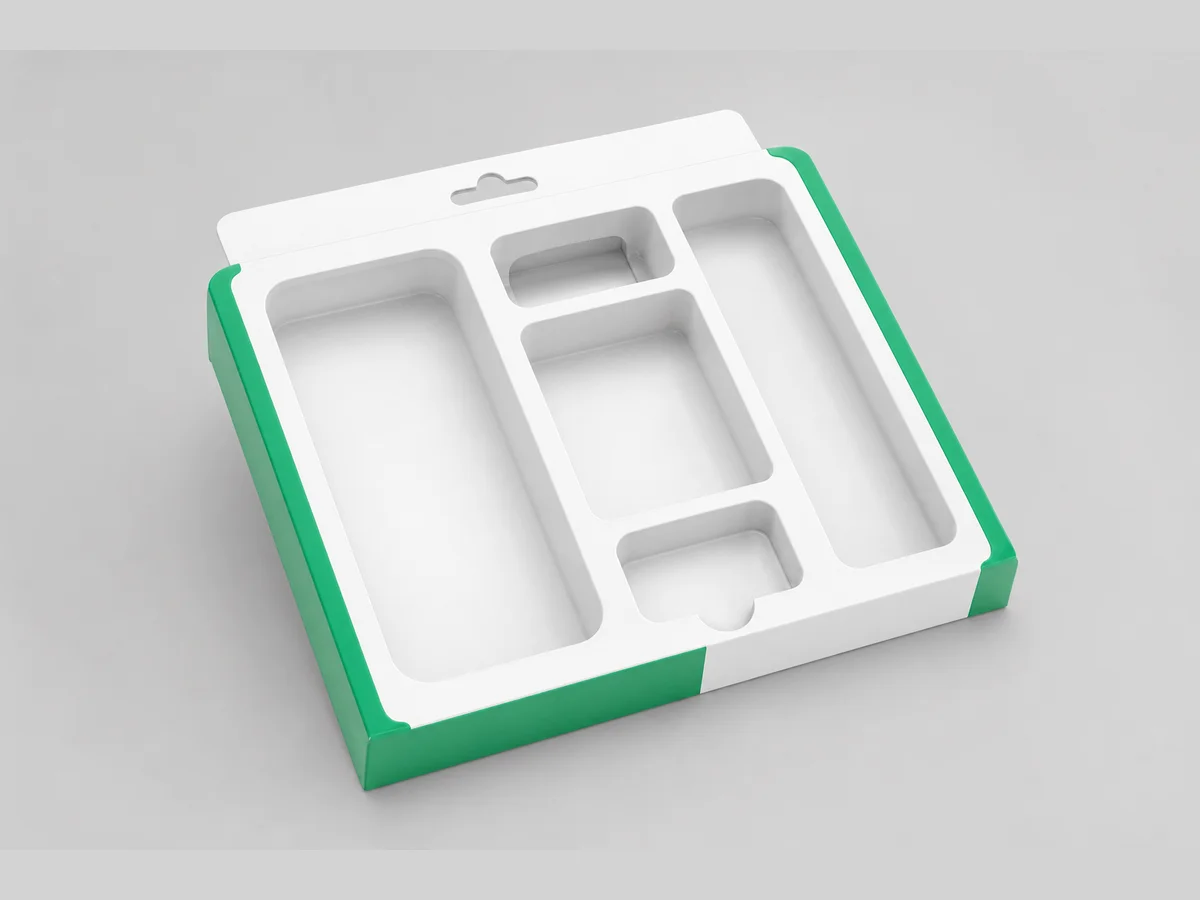
SBS (solid bleached sulfate) and kraft food board are the two most common paperboard substrates for custom food cartons — but they serve different brand, print, and compliance goals. SBS delivers a bright white canvas for full-color retail graphics. Kraft food board signals natural, recyclable positioning with visible fiber character. Choosing wrong board shows up as washed-out print, grease bleed-through, or inaccurate sustainability claims on the shelf. BoxYourBrand produces food packaging and folding cartons in both substrates.
This guide compares SBS vs kraft food board for takeout, bakery, frozen, and CPG programs.
Key takeaways
- SBS maximizes print quality; kraft supports eco-forward brand positioning.
- Both require explicit grease or moisture barriers — neither is inherently oil-proof.
- Specify PFAS-free coatings for takeout and bakery where state rules apply.
- Board choice affects recyclability messaging — validate claims before print.
What is SBS food board?
Solid bleached sulfate (SBS) is a premium white paperboard made from bleached virgin fiber with a clay-coated surface. The smooth face accepts lithographic, digital, and flexographic print with high color fidelity — why SBS dominates retail bakery windows, premium takeout, and CPG folding cartons where the pack is the billboard.
Typical SBS food applications: pastry boxes with PET windows, branded burger boxes, cereal-style cartons, and cosmetic-adjacent food gift sets where print quality matches beauty packaging standards.
What is kraft food board?
Kraft food board uses unbleached or lightly bleached brown fiber — visible texture, natural tone, and strong association with compostable or recyclable narratives. Print sits on a rougher surface; brands often use one- or two-color logos, kraft-friendly palettes, or white ink accents rather than photographic full bleed.
Kraft excels for coffee shop takeout, artisan bakery, farm-to-table brands, and operators who want customers to recognize paper fiber at disposal. Pair with custom deli paper and kraft bags for consistent channel branding.
SBS vs kraft comparison
| Factor | SBS | Kraft food board |
|---|---|---|
| Color / print | Highest fidelity, full CMYK | Good; texture shows through |
| Brand signal | Premium, retail-ready | Natural, eco-forward |
| Grease handling | Coating required | Coating required |
| Window options | Excellent with PET | Common with clear film |
| Typical MOQ | 250–2,500+ | 250–2,500+ |
| Recyclability messaging | Market-dependent | Often curbside-friendly where accepted |
Read PFAS-free food board guide before specing barriers on either substrate.
Barrier coatings and compliance
Neither SBS nor kraft resists grease without a food-grade barrier coating. Uncoated board wicks oil into fibers, weakening structure and staining outer bags. For fried, baked, or sauced foods, specify:
- Grease-resistant barrier — PFAS-free formulations where regulations require.
- Moisture barrier — frozen and refrigerated programs need additional layers.
- Direct vs indirect contact — liner sheets may be required for very greasy items.
Align specs with FDA food packaging requirements and state PFAS restrictions before artwork approval.
Choosing board for your channel
Choose SBS when:
- Full-color photography and fine type are non-negotiable.
- Retail buyers expect white-board presentation at shelf.
- Window panels and foil accents are part of the design system.
Choose kraft when:
- Brand story centers on natural, minimal, or compostable positioning.
- Print is logo-forward rather than photographic.
- Takeout customers should recognize fiber at disposal.
Hybrid programs use kraft outers with SBS inserts, or SBS cartons with kraft-print interior panels — share channel mix when quoting.
Ordering food board cartons
Provide product type (dry, greasy, frozen), temperature chain, print coverage, and quantity tiers. Request a food packaging quote with board preference noted. Order samples to validate barrier feel and print on both substrates before production MOQ.
Compare structural formats in corrugated vs folding cartons guide when food programs need heavier transit protection.