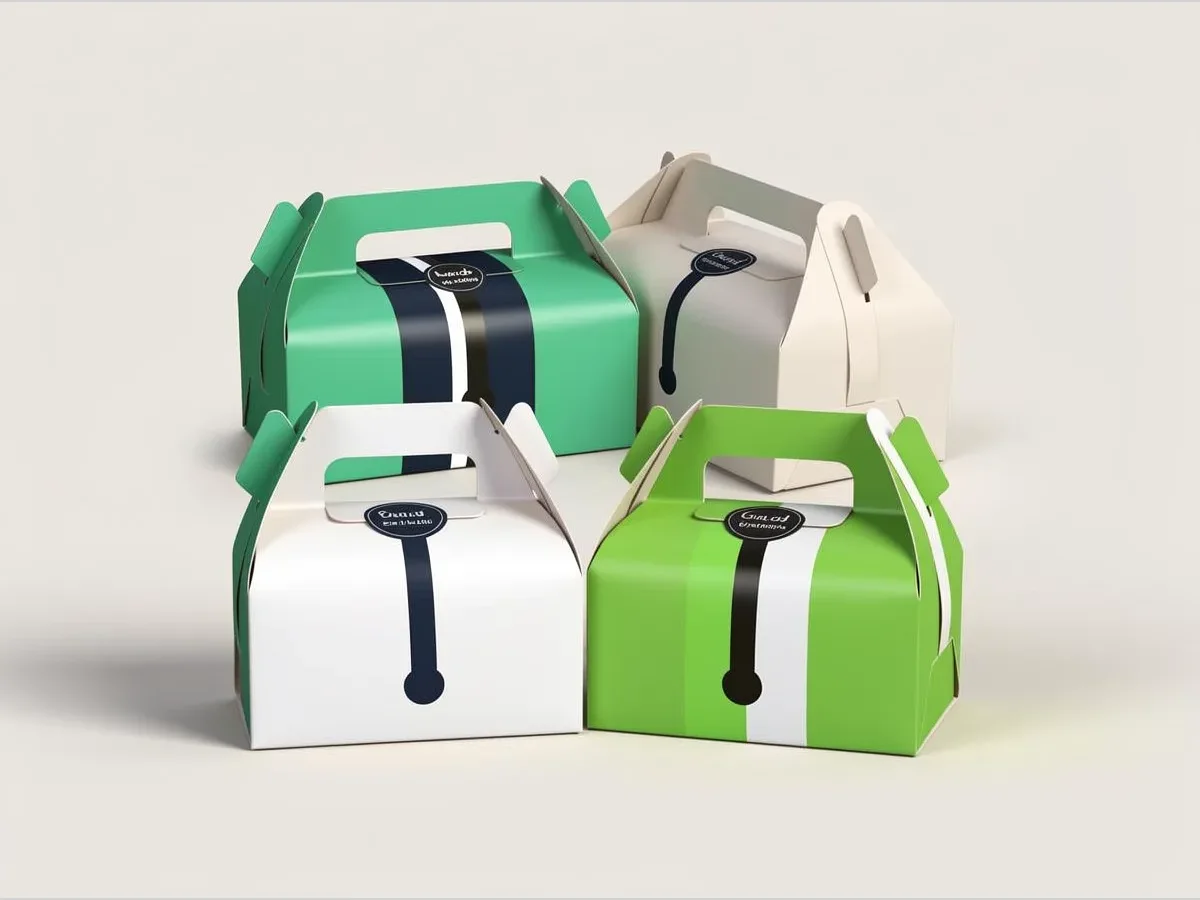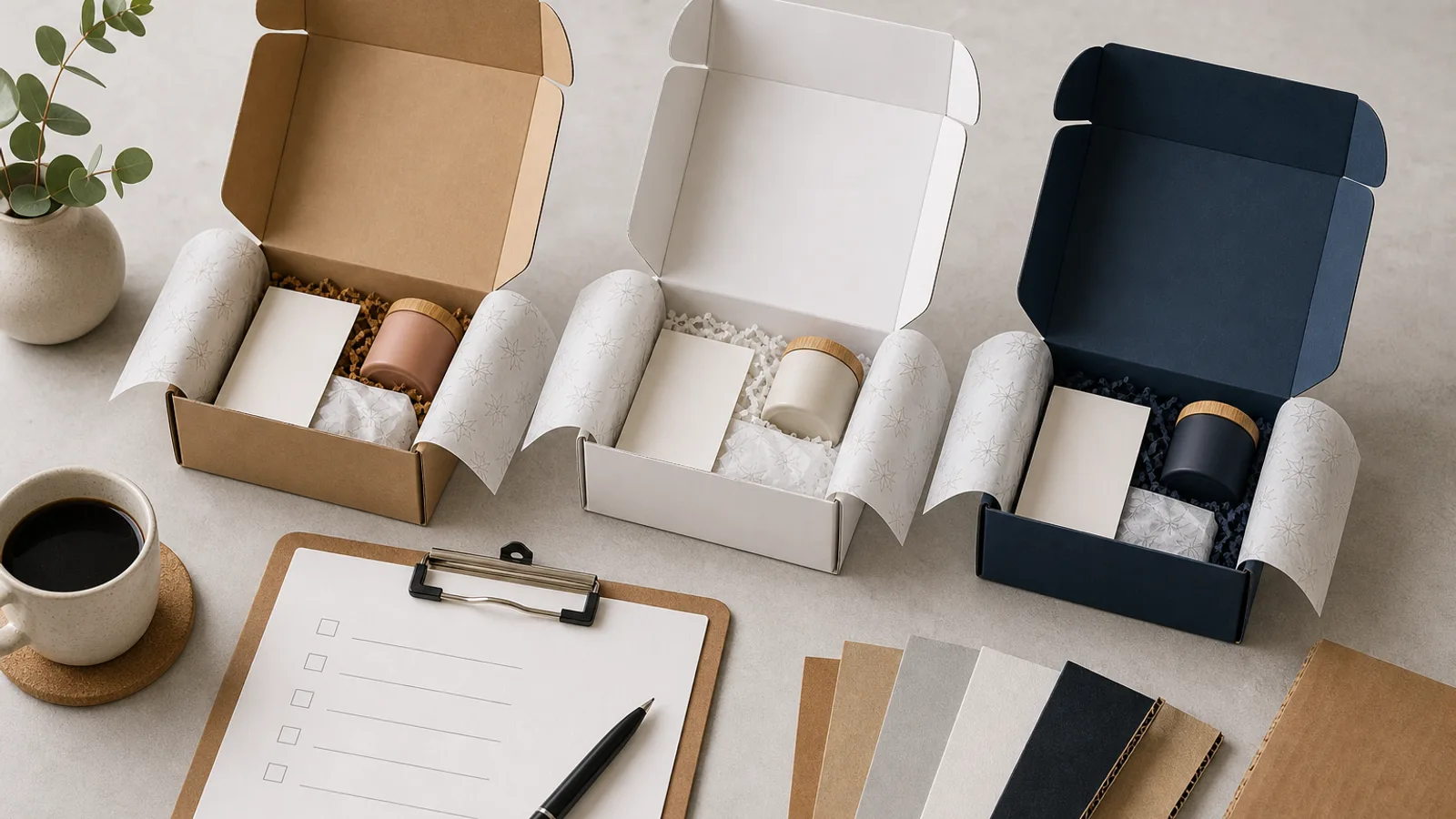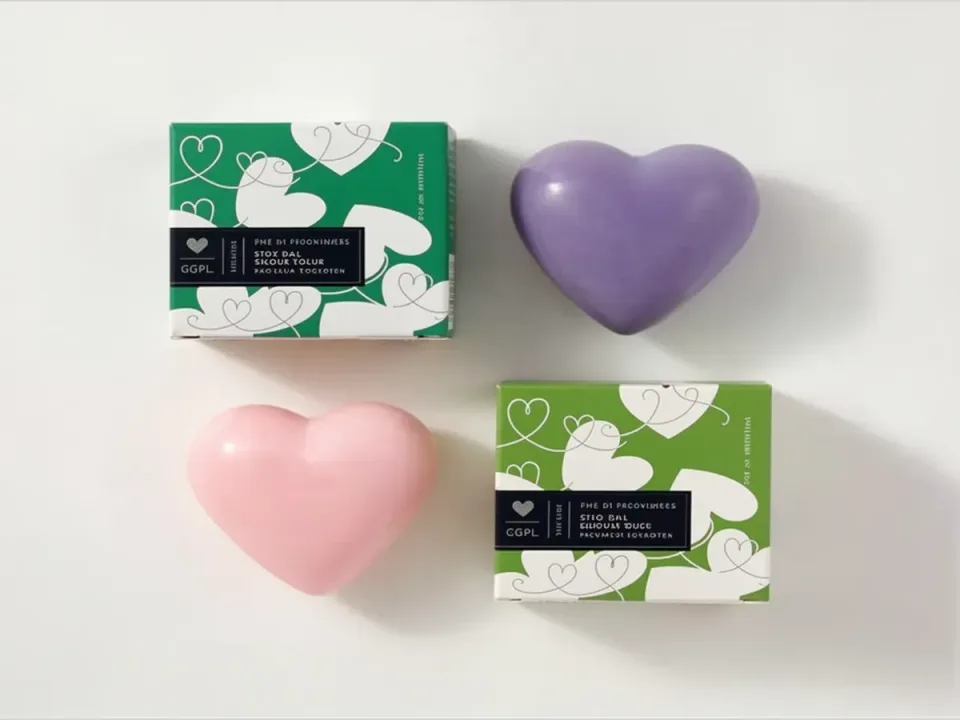
Artisan soap brands lose sales two ways: a beautiful bar in a flimsy wrap that looks homemade for the wrong reasons, or a glossy carton that traps moisture and warps on the shelf. Soap packaging boxes need snug fit after cure shrink, board that tolerates residual moisture, and print that matches farmers-market honesty or luxury bath positioning.
This guide covers styles, sizing, and how to brief custom soap boxes for retail, gift sets, and subscription kits. Pair with the cosmetics packaging guide for broader beauty norms.
Key takeaways
- Measure cured bar dimensions — fresh bars shrink.
- Kraft tuck-end is the workhorse for handmade stories; windows and sleeves add visibility or seasonal flexibility.
- Spec moisture tolerance and any wrap paper in the quote.
- Pilot MOQs often start around 50–249 units.
- Sample fit before locking plates when bars are irregular.
- DTC multi-bar kits need dividers or a mailer plan, not only unit cartons.
Soap box styles compared
| Style | Best for | Notes |
|---|---|---|
| Kraft tuck-end | Artisan single bars | Natural cue + full CMYK |
| Window display | Colorful or swirled bars | PET panel; note recyclability |
| Sleeve wrap | Seasonal art over stock tray | Lower reprint cost |
| Two-piece gift | Sets and luxury lines | Higher perceived value |
| Pillow box | Samples and favors | Lightweight bars only |
Square soap and thick rectangle bars both work — size the cavity to the largest SKU if you share one carton across the line.
Sizing and moisture checklist
- Cure bars fully, then measure L×W×H.
- Add wrap or tissue thickness if used inside the carton.
- Prefer snug fit; rattling scuffs edges.
- Note residual moisture or essential-oil bleed for coating choice.
- Decide unit carton vs multi-bar gift set vs subscription outer.
- Plan label panels for ingredients and net weight (stickers and labels).
Prefill interior dimensions with the box size calculator once cured measurements are locked — then send those numbers on the quote.
Cure shrink and cavity clearance
Fresh bars shrink as they cure. Quoting on wet-bar dimensions leaves rattling cavities after 4–6 weeks.
| Stage | What to measure | Pack note |
|---|---|---|
| Fresh cut | Optional baseline only | Do not lock dies |
| Fully cured | L×W×H for the quote | Primary size input |
| With wrap/tissue | Add thickness | Prevents edge scuff |
Irregular hand-cut bars need a sample before plates. Window cartons show swirl color — note PET if you claim recyclability (die-cut window boxes guide).
Retail, gift, and subscription paths
- Farmers market / boutique — Kraft or printed tuck-end; optional belly band.
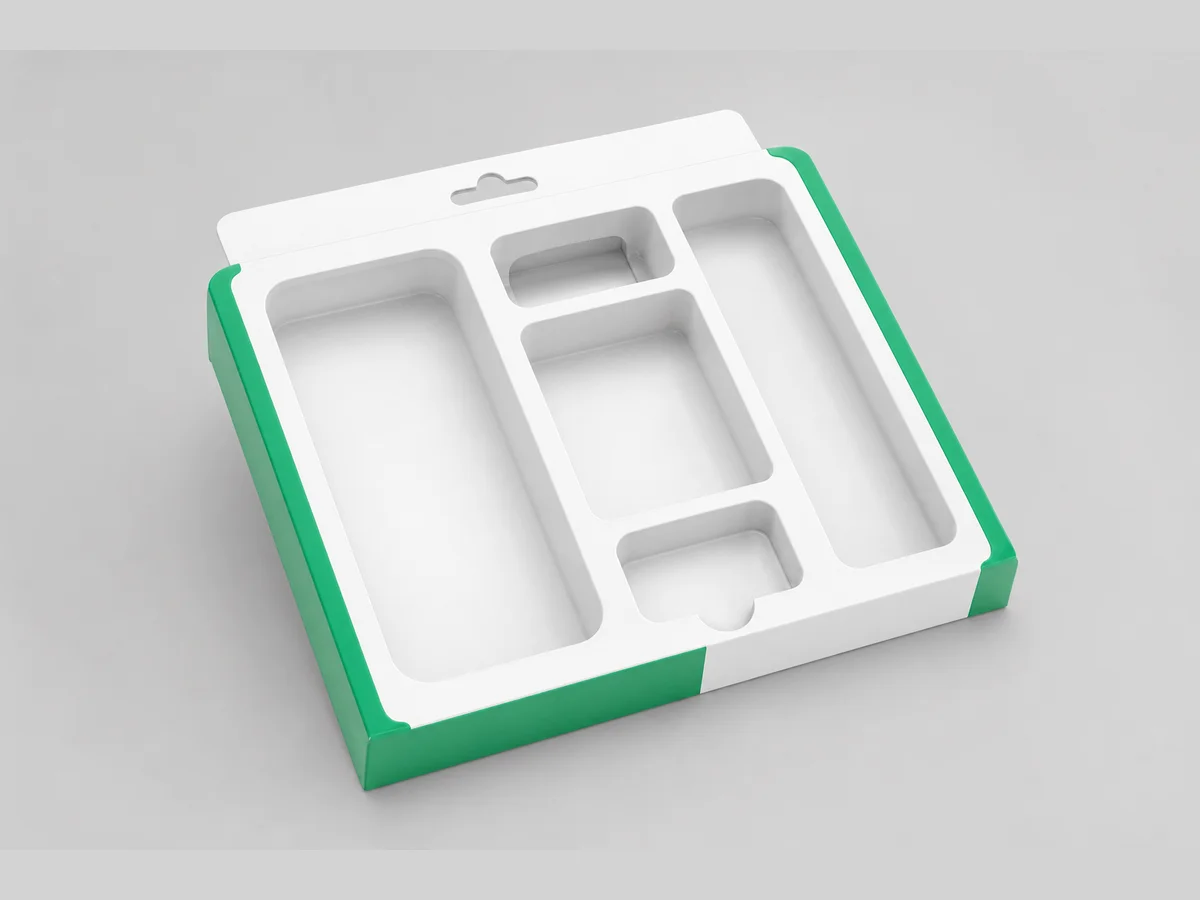
- Gift sets — Two-piece or tray + sleeve with bath bomb boxes companions.
- Subscription — Fixed outer mailer + interchangeable soap cartons; see subscription packaging.
Buyer mistakes
- Quoting on wet-bar dimensions
- Full plastic laminate on a “natural” kraft story
- One size for every SKU without checking the thickest bar
- Skipping samples on hand-cut irregular bars
Quote checklist
Bar dimensions (cured), style, board (kraft/SBS/recycled), print/finish, window yes/no, quantity tiers, channel, in-hands date.
Order samples or request a free packaging quote with those specs. Browse eco-friendly packaging if kraft and recycled board drive the brand.
Common questions
Best style for handmade soap?
Kraft tuck-end for most artisan lines; window or sleeve when visibility or seasons matter.
How to size?
Measure cured bars; add wrap clearance; keep fit snug.
Moisture?
Call out residual moisture; consider light barriers or vented designs.
MOQ?
Often 50–249 for pilots; volume improves at higher tiers.
Conclusion
Strong packaging for soaps protects edges, survives light moisture, and sells the bar’s story before the lid opens. Start with custom soap boxes, sample when fit is uncertain, then get a free quote.