Choosing between custom plastic packaging and paperboard is a product-level decision — not a universal sustainability choice. Each material wins in different applications. Start with our custom plastic packaging types overview if you have not narrowed format yet.
When plastic packaging wins
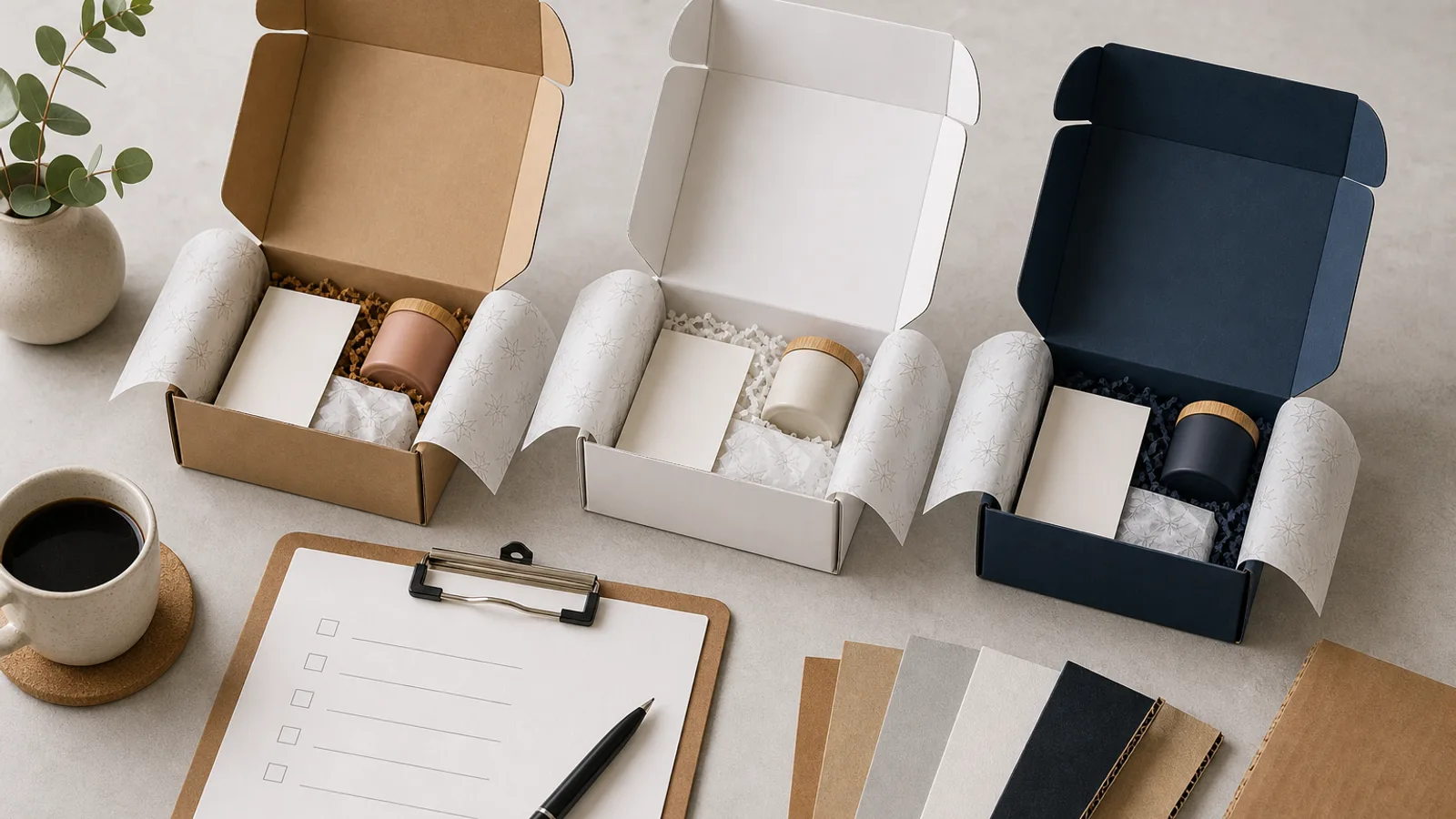
Validate board feel and print quality with packaging samples before locking production MOQ.
- Moisture-sensitive dry goods needing barrier films
- Flexible pouches that reduce freight cube vs rigid cartons
- Reclosable consumer convenience (zipper pouches)
Custom plastic packaging covers pouches and bags optimized for these cases. For retail bag specifics — hang holes, gauge, panels — see custom plastic packaging bags.
When paperboard wins
- Premium cosmetic and gift presentation with foil/emboss
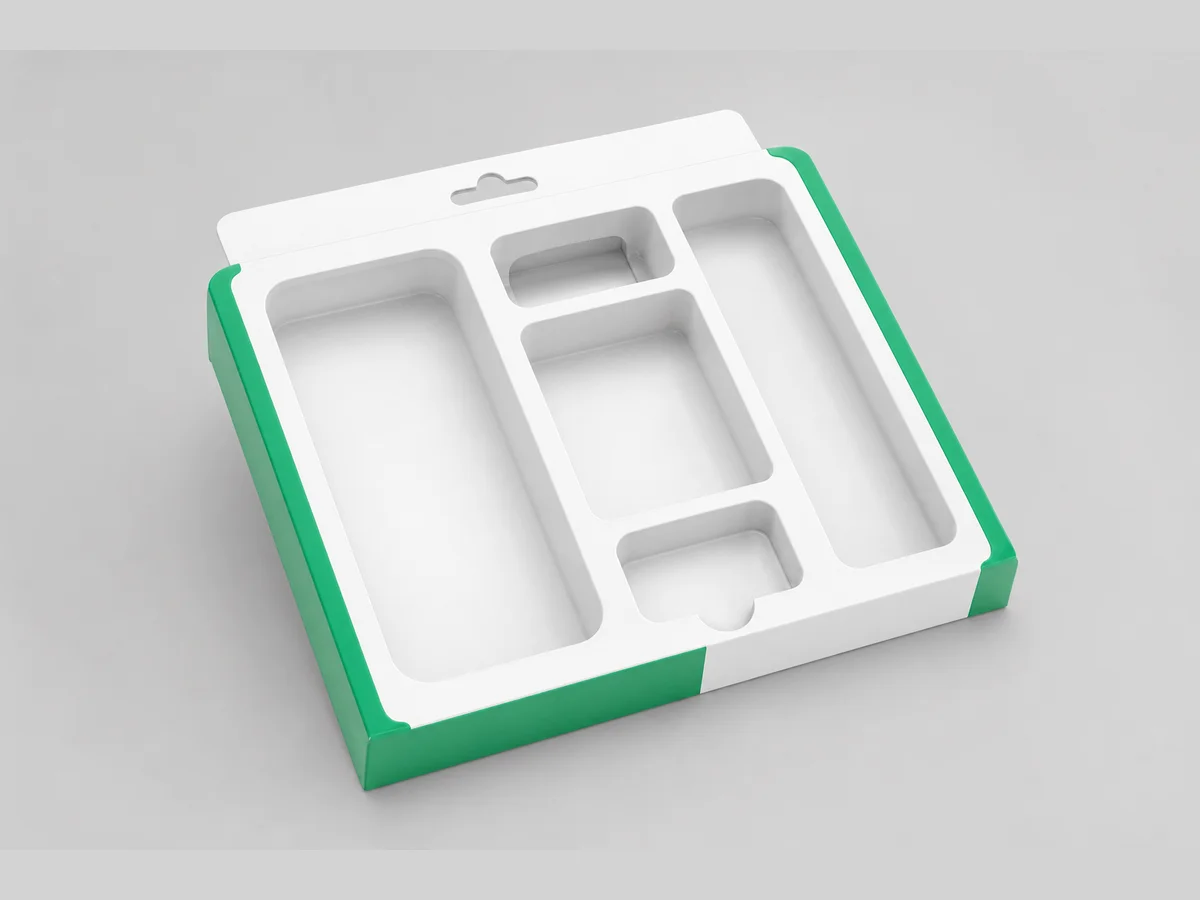
- Retail folding cartons with window patches
- Programs prioritizing curbside recyclable paperboard
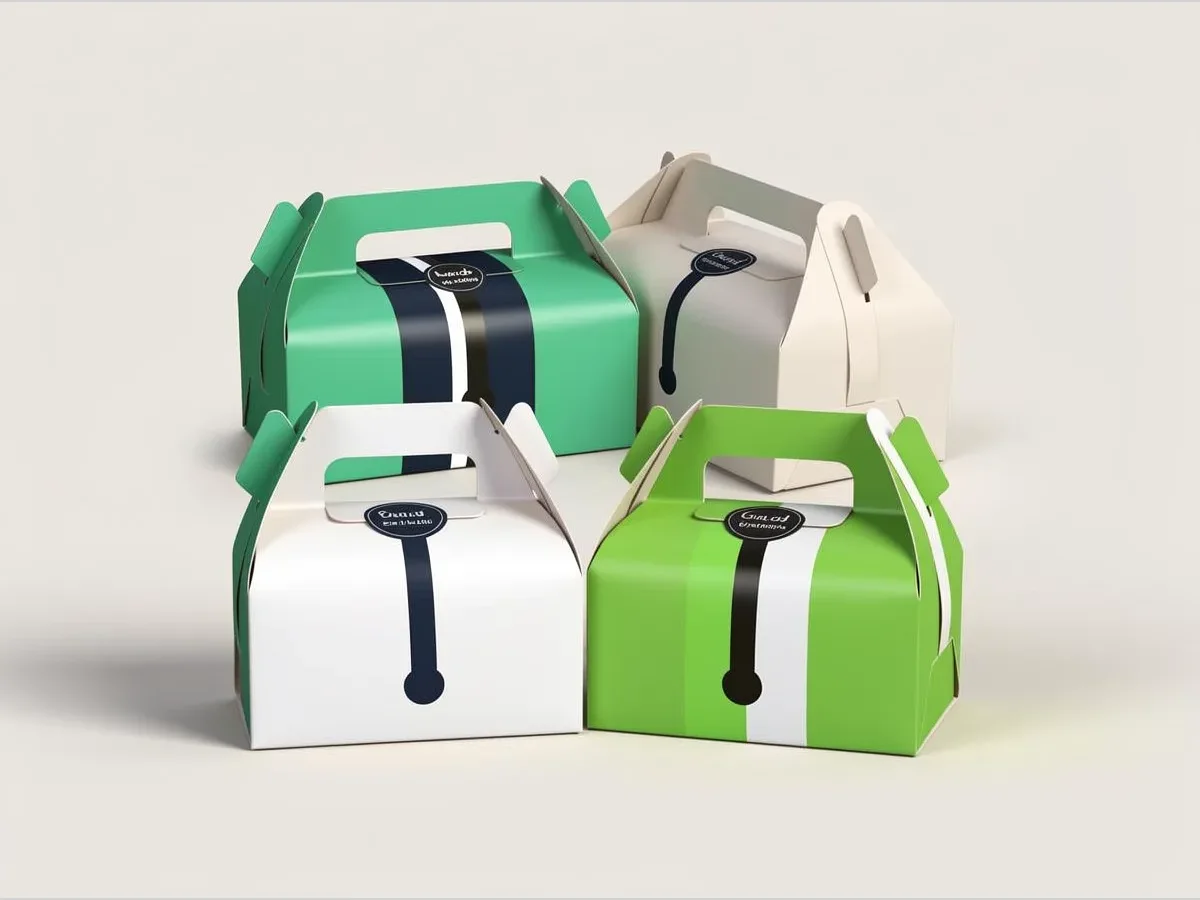
Folding cartons and cosmetic packaging boxes remain paper-forward solutions.
Hybrid programs
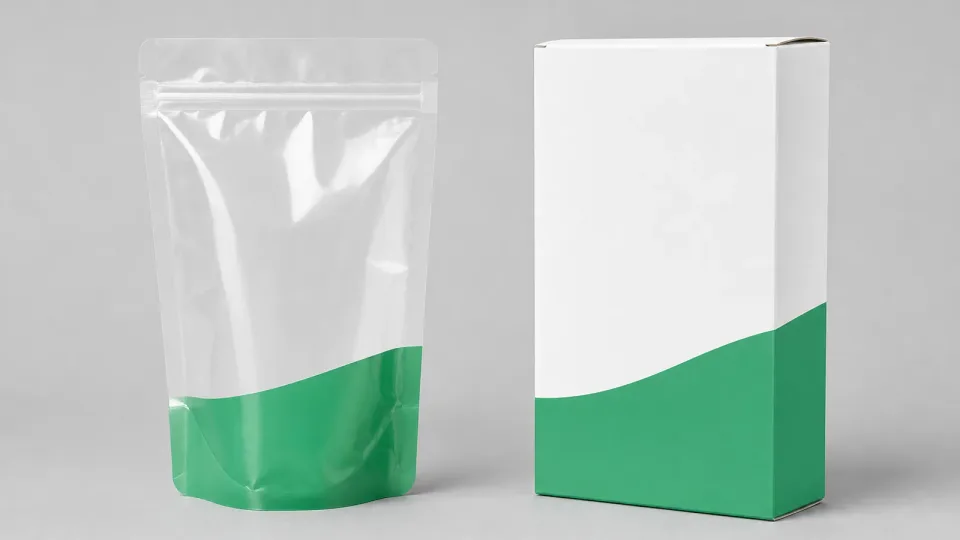
Many brands use a paperboard retail carton inside a custom plastic packaging bags outer for club or multi-pack channels, or pair rigid cartons with poly mailers for DTC.
Quote both formats
Share SKU details and channel mix. Our team recommends plastic, paperboard, or a combination based on protection, regulations, and brand goals. First-time plastic buyers should complete the how to spec plastic pouches for first order checklist before quoting.
Plastic vs paperboard — choosing the primary pack
Plastic wins on barrier and moisture; paperboard wins on print theater and recycling familiarity. Many brands combine both: paperboard carton + film pouch inside. BoxYourBrand produces end-to-end custom packaging for ecommerce and retail brands.
| Job | Lean plastic | Lean paperboard |
|---|---|---|
| Barrier | Yes | Limited without coatings |
| Brand panels | Good | Excellent |
| Recycle story | Varies | Often clearer |
| Crush | Format-dependent | Strong with flute |
Substrate decision checklist
- Write shelf-life and chemistry needs.
- Decide if primary pack is also the ship face.
- Model a hybrid carton + pouch if needed.
- Align on-pack claims with real materials.
- Sample consumer open experience. Use the quote wizard to compare quantity tiers side by side.
Hybrid notes
A folding carton can carry brand and claims while a pouch holds the product. That split often beats forcing one material to do every job.
Substrate pitfalls
- Paperboard for oily products without proper coating
- Plastic for brand-led gifting when carton theater matters
- Mixed claims that contradict the bill of materials
Decide plastic vs paperboard with a clear brief
List barrier, brand, and disposal goals. We will recommend plastic, paperboard, or a hybrid primary pack.
Hybrid packs: carton theater + film barrier
Many brands stop forcing a single substrate. Paperboard carries brand and claims; film holds barrier. That hybrid often beats a compromise material.
Write disposal instructions for each component. When quoting, say whether you want a hybrid primary pack so engineering prices carton and pouch together.
End-of-life messaging for mixed materials
Hybrid packs need disposal instructions per component. Do not print a single recycling logo that implies the whole pack is paper if a film pouch remains.
Clarify hybrid disposal needs when comparing plastic vs paperboard quotes.
Practical next steps for Plastic vs Paperboard Packaging
Before you scale plastic packaging vs paperboard, freeze structure and size on a short pilot, then decorate. Bring packed dimensions, channel notes, and quantity tiers to the quote form so engineering recommendations match how the pack actually ships and sells.
If you already have a working dieline, send it — reusing proven structure cuts tooling and proof rounds. Archive board, film, ink, and revision IDs with the purchase order so reorders do not rediscover decisions you already paid to learn.
Comparing plastic vs paperboard suppliers fairly
Send the same written brief — dimensions, environment, print needs, and quantity — to every supplier. Price gaps usually come from board grade, print method, or missing sample policy, not mysterious discounts. Keep that brief with your PO so reorders stay apples-to-apples.