Golf ball packaging is one of the most standardized formats in sports retail — a 3-ball sleeve, a dozen box holding four sleeves — which is exactly why custom print stands out. Direct-to-consumer ball brands, pro shops, tournament organizers, and corporate gifting programs all use the same structural formats with very different graphics jobs. BoxYourBrand produces end-to-end custom packaging for ecommerce and retail brands.
This guide covers sleeve and dozen-box dimensions, insert options, retail versus gifting formats, print finishes, and the shipping tests worth running before you order. For the product category, see custom sports packaging and folding cartons.
Standard golf ball packaging formats
Validate board feel and print quality with packaging samples before locking production MOQ.
| Format | Holds | Typical construction |
|---|---|---|
| 3-ball sleeve | 3 balls | Tuck-end paperboard carton |
| Dozen box | 4 sleeves (12 balls) | Tuck or tray-and-lid carton |
| Window carton | 3–12 balls | Die-cut window, film or open |
| Gift / corporate box | 1–6 balls | Rigid or magnetic-closure box |
| E-commerce shipper | 1–4 dozen | Corrugated mailer with insert |
Sleeve and dozen box dimensions
The starting number is fixed: under the Rules of Golf a conforming ball has a diameter of at least 1.680 inches. Every dieline in the category derives from it. Related formats include custom plastic packaging.
| Component | Internal dimensions | Notes |
|---|---|---|
| 3-ball sleeve | ~1.75 × 1.75 × 5.4“ | Three balls stack to about 5.05“; the balance is clearance and tuck |
| 4-ball sleeve | ~1.75 × 1.75 × 7.1“ | Less common; used for promotional counts |
| Dozen box (4 sleeves, 2×2) | ~3.6 × 3.6 × 5.5“ | Build around the finished sleeve, not the balls |
| Single-ball gift box | ~2 × 2 × 2“ | Usually rigid with a foam or pulp cradle |
| 6-ball gift box | ~5.4 × 3.6 × 2“ | Two rows of three, tray-and-lid or magnetic |
The most common dieline error is sizing a dozen box from ball dimensions instead of sleeve dimensions. Board thickness on four sleeves adds up: at 24pt, four sleeve walls in each direction add roughly 0.2“ to the assembly compared to bare balls. Skip that and the sleeves will not seat. Use the quote wizard to compare quantity tiers side by side.
Getting sleeve clearance right matters for print quality as much as fit. Too loose and balls rattle and scuff the interior print through the whole distribution chain; too tight and hand-assembly slows to the point where labor cost exceeds the board savings. See our custom sports boxes for the next decision in your workflow.
Inserts and interior structure
Golf balls are heavy for their size and perfectly round, which is an unhelpful combination — they roll, they concentrate load, and they punch out box corners on impact.
- Sleeve dividers are usually unnecessary. The sleeve itself constrains the balls in all three axes.
- Dozen-box inserts are usually unnecessary too, provided the sleeves fit snugly. A dozen box that needs an insert is a dozen box that was sized wrong.
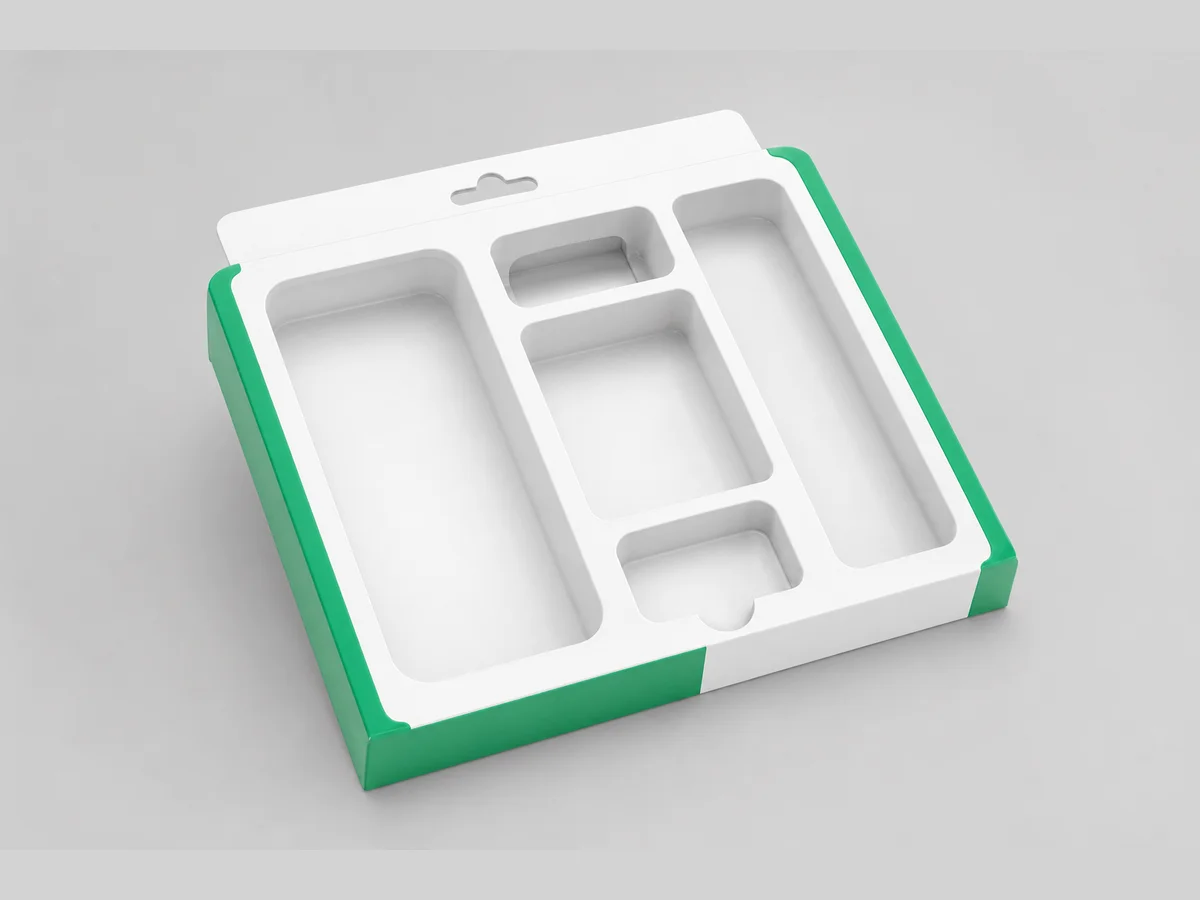
- Gift boxes need real inserts. A single ball loose in a rigid box is the worst possible presentation. Die-cut foam, molded pulp, or a paperboard cradle holds the ball logo-up, which is the entire point of a corporate gift box. See custom inserts & void fill.
- E-commerce shippers need corner protection, not ball cradling. The retail dozen box is protecting the balls; the shipper is protecting the retail box.
The 3-ball sleeve: getting the details right
Board weight of 18–24pt gives sleeves their crisp edges and clean fold lines. Below that, the sleeve looks soft on shelf; above it, tuck flaps get stiff and assembly slows.
Finish is where DTC ball brands differentiate. Matte or soft-touch lamination with spot gloss on the logo is the current premium look, and it photographs better than full gloss — worth considering if your channel is largely online.
One practical note: keep small text and fine logo detail off the tuck flap and the glue seam. Those areas take the most handling stress and show wear first in a retail display.
Dozen boxes and retail presence
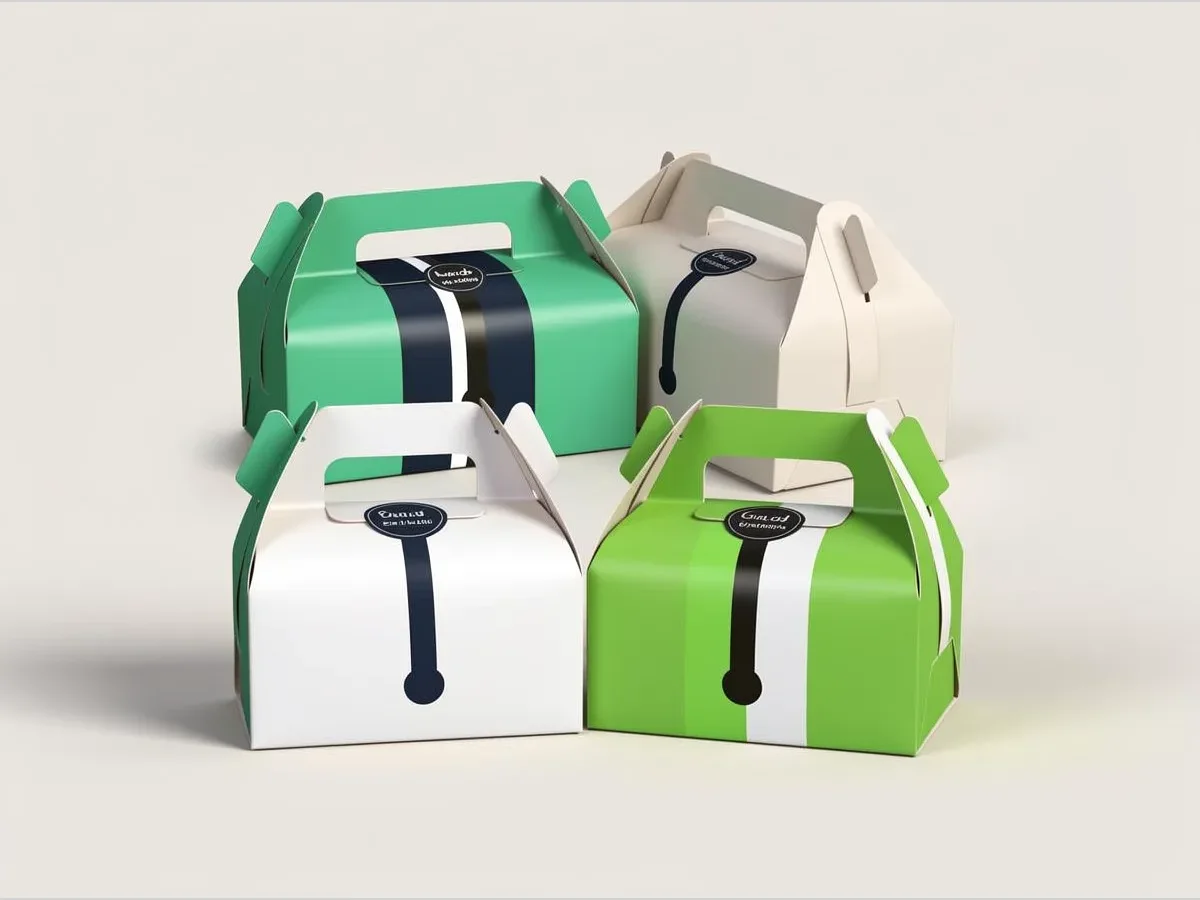
The dozen box is the shelf unit: four sleeves in a 2×2 grid, artwork wrapping the full exterior.
Tray-and-lid construction feels noticeably more premium than a tuck carton and reveals the sleeves like a boxed set, which suits higher price points. Tuck cartons are faster to pack and cheaper per unit, which suits volume lines.
Windowed dozen boxes let retail buyers see the ball, and they are worth the added cost whenever the product finish is the selling point — matte-finish balls, colored balls, and alignment-aid printing all sell better when visible. Film windows look cleaner; open die-cut windows avoid the mixed-material recyclability problem.
Retail vs corporate gifting
These are genuinely different products that happen to share a category.
Retail packaging competes on a shelf against established brands, so it optimizes for face-out visibility, immediate readability of the model name and compression rating, barcode placement, and case-pack efficiency. Cost per unit matters because margin is thin.
Corporate gifting has no shelf and no competition at the moment of opening, so it optimizes for the unwrap. Rigid single-ball and 3-ball boxes with foil stamping, magnetic closures, and a card insert run in per-event quantities of 100–500. Cost per unit matters less because the box is part of the gift’s perceived value — a $12 sleeve of balls in a $6 box reads as a $40 gift. For premium formats, see specialty & luxury boxes.
Tournament and event programs sit between the two: short runs, event-specific artwork, and usually a deadline that drives the whole schedule. Order those six to eight weeks out, because rush production on rigid formats is limited.
Print finishes
| Finish | Effect | Best for |
|---|---|---|
| Matte lamination | Soft, non-reflective | DTC brands, product photography |
| Soft-touch lamination | Tactile, premium | Premium retail and gifting |
| Gloss lamination | Bright, saturated color | Value lines, high-color artwork |
| Spot UV | Gloss logo on matte field | Logo emphasis without foil cost |
| Foil stamping | Metallic | Corporate gifts, limited editions |
| Emboss / deboss | Tactile relief | Rigid gift boxes |
Foil and spot UV both carry setup costs that amortize poorly under a few hundred units, so short corporate runs often get better perceived value from soft-touch lamination plus a well-designed card insert than from foil on a small quantity.
Shipping and testing
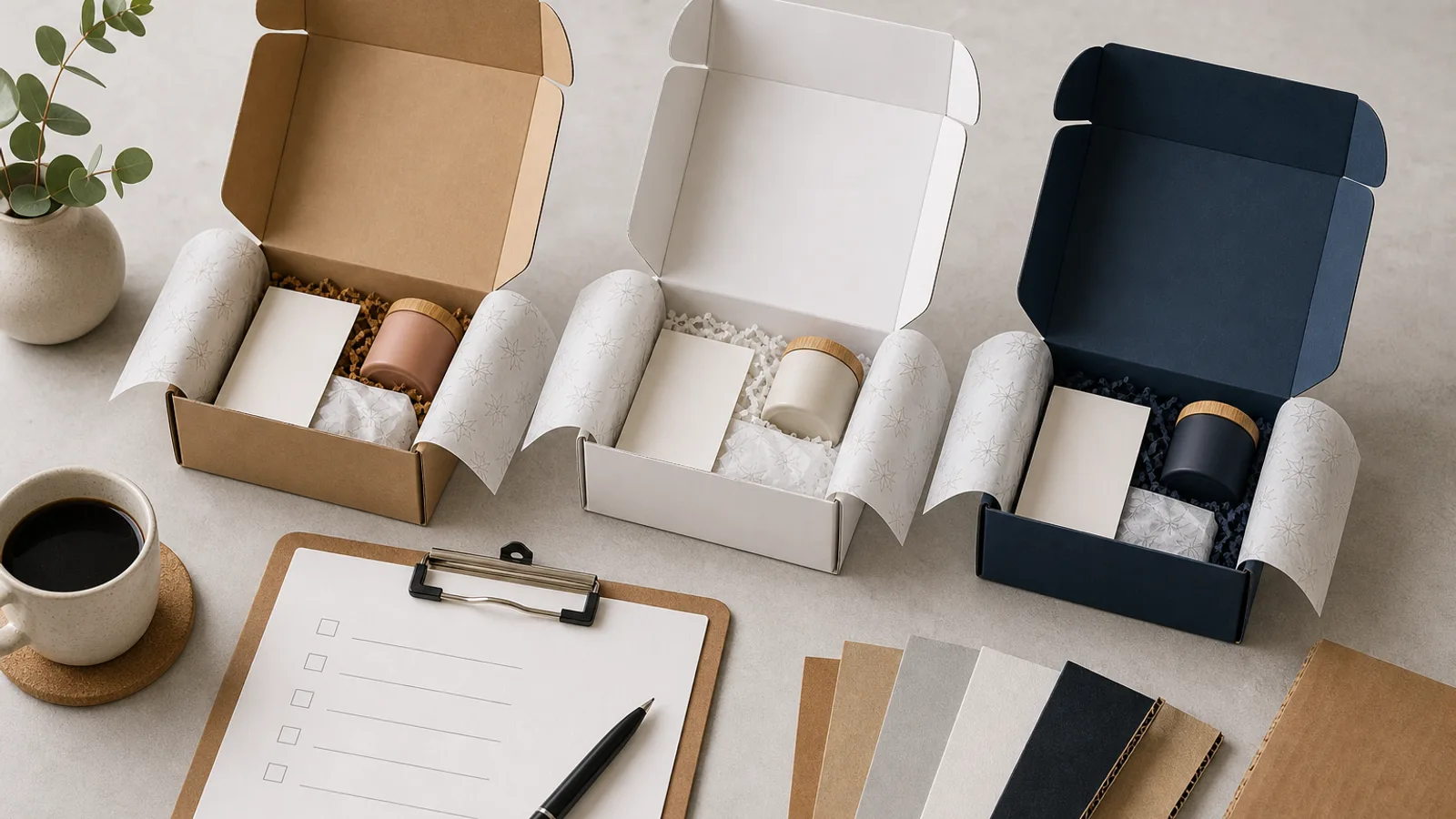
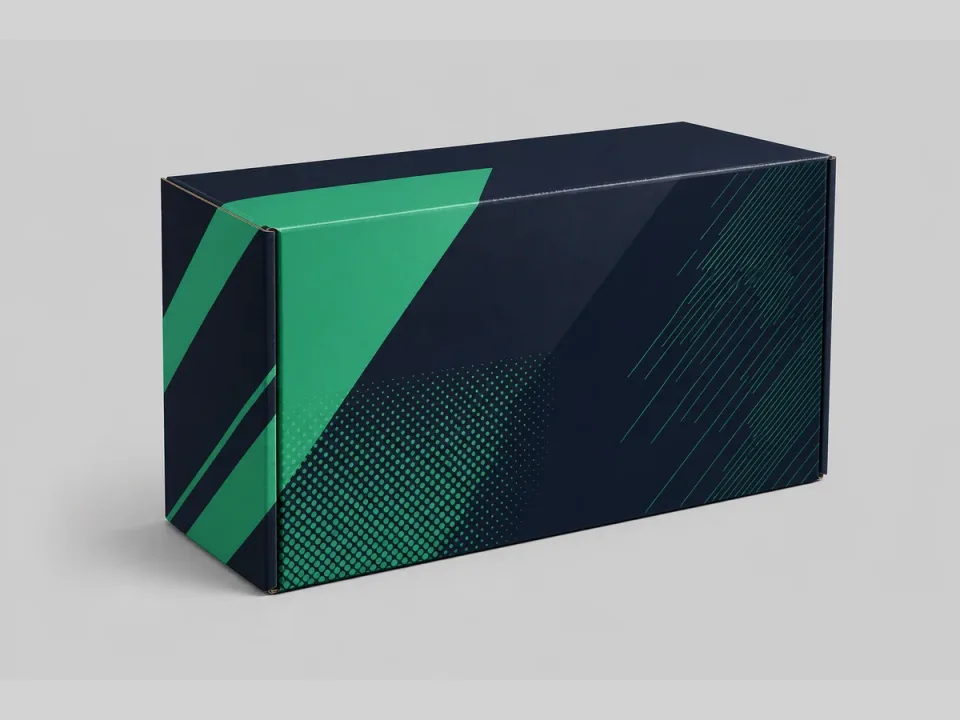
Dozen boxes are not parcel-ready on their own. A corrugated mailer box with a fitted insert protects corners and keeps the retail box giftable on arrival — which matters, because a large share of golf ball purchases are gifts and a crushed retail box defeats the purpose.
Weight makes this less forgiving than it looks. A dozen balls runs close to 1.5 lbs in a small footprint, so impact energy concentrates on corners rather than spreading across a large face. Multi-dozen shipments compound it.
Before committing to a program, pack the real product and drop it corner-first, edge-first, and flat from roughly 30 inches onto a hard floor. That approximates parcel handling well enough to reveal whether your shipper and insert hold up. ASTM D4169 and the ISTA parcel test procedures define the formal versions if a retail partner requires documented testing.
Pricing a sleeve or dozen-box program? Get a free quote with your ball count, finish, and quantity — free dieline and digital proof on every order.