Coffee shop packaging is the highest-frequency brand impression most cafes own. A shop doing 300 drinks a day puts its logo in a customer’s hand roughly 9,000 times a month — more brand exposure than any advertising budget a single location can afford. BoxYourBrand produces end-to-end custom packaging for ecommerce and retail brands.
The problem is that the packaging stack is deceptively large. Hot cups, cold cups, lids, sleeves, carriers, pastry bags, retail bags, and shipping boxes each have their own sizing rules, minimums, and print economics. This guide covers the whole stack, what to brand first, and how to stage a rollout so you are not spending five figures before you have volume to justify it. Related formats include corrugated shipping boxes.
The coffee shop packaging stack
Validate board feel and print quality with packaging samples before locking production MOQ.
| Item | Branding option | Typical starting MOQ |
|---|---|---|
| Hot cups | Direct print or branded sleeve | 1,000+ printed; 250+ sleeved |
| Coffee cup sleeves | Full-color or one-color kraft print | 250–500 |
| Lids | Stock color choice (printing rare) | Stock |
| Cold / boba cups | Printed cups or printed sealing film | 1,000+ |
| Drink carriers | Stamped or stickered kraft | 250 |
| Pastry bags & boxes | Printed kraft bags, windowed boxes | 250 |
| Whole-bean retail boxes | Fully printed folding cartons | 50–250 |
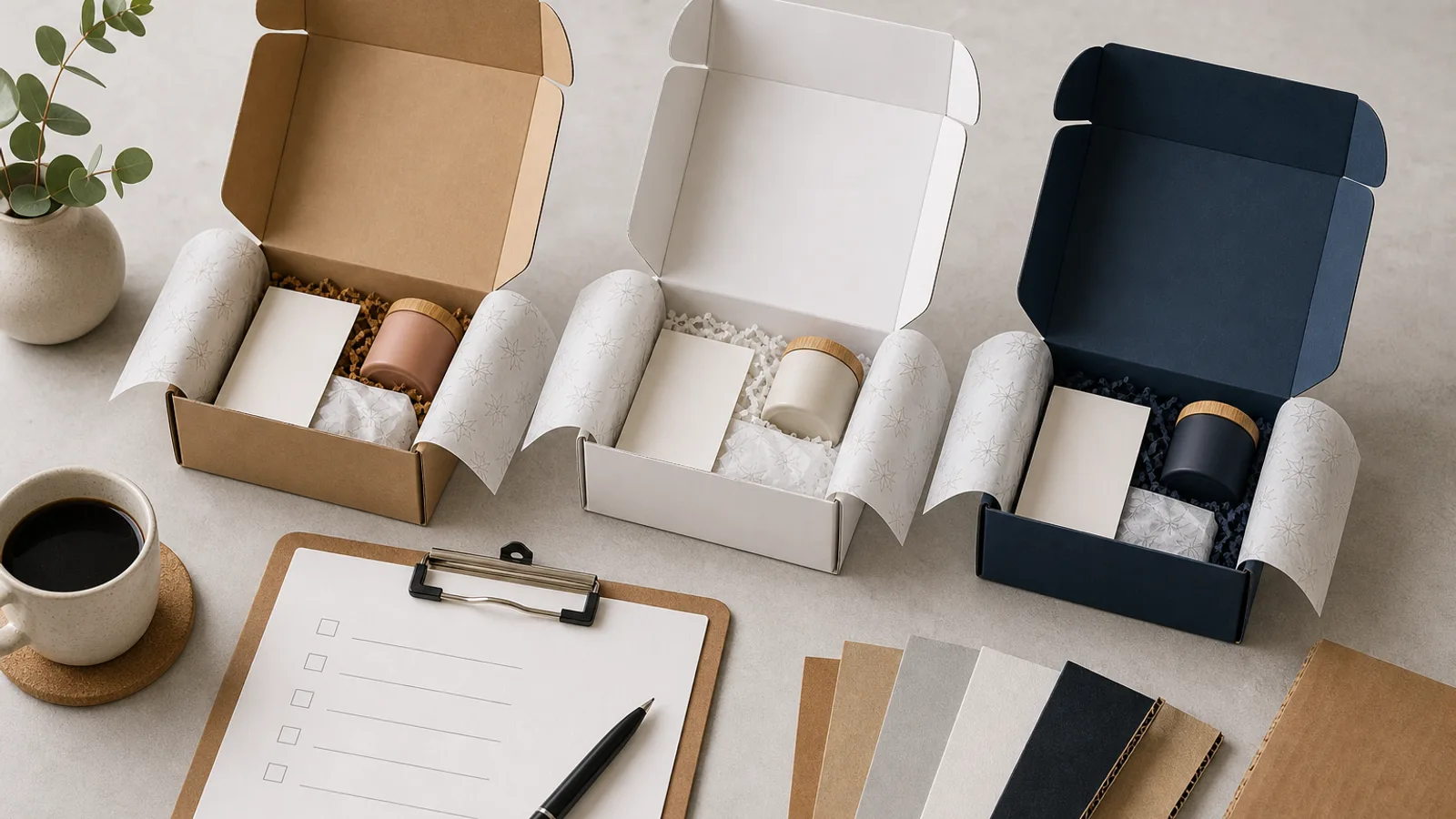
| Subscription shippers | Printed mailer boxes | 50–250 |
Cup and lid compatibility
Before any branding decision, get the mechanical part right. Cup and lid fit is defined by the rim diameter, not the fluid capacity, and this is where multi-supplier sourcing goes wrong. Use the quote wizard to compare quantity tiers side by side.
Most North American hot cup lines use a common rim across 8, 12, 16, and 20 oz, which means one lid SKU covers the range — that is why an 8 oz cup often looks stubby next to a 12 oz of the same diameter. Cold cups are less standardized: PET and PP cold cup rims vary between suppliers, and a lid that seats on one brand’s 16 oz will not necessarily seat on another’s. See our beverage ice cream packaging guide for the next decision in your workflow.
Three practical rules:
- Buy cups and lids from the same specification. A leak caused by a 0.5 mm rim mismatch will cost you more in remakes than the sourcing savings.
- Keep hot-cup sizes on one rim family. One lid SKU across your entire hot menu simplifies the counter and cuts inventory.
- Test a case before committing. Rim tolerance varies by production lot. Seat a lid, fill with hot water, and invert it.
On lid types: dome sip lids give room for foam and latte art volume; flat sip lids stack better and suit drip and americano programs. Cold and boba menus use strawless sip lids or flat straw-slot lids. Direct lid printing is technically available but carries high tooling minimums, so almost every independent treats lid color as the branding decision — black on kraft for a craft look, white-on-white for minimalist, matte black for premium positioning.
Start with sleeves, not printed cups
A coffee cup sleeve is the highest-impact, lowest-cost branding surface in the shop. Disposable kraft sleeves print well in one or two colors, ship flat, fit standard 8–20 oz cups, and start at a few hundred units — while direct-printed cups usually require four-figure minimums per size.
The math is straightforward. Printing four cup sizes at 1,000 units each commits you to 4,000 cups and a five-figure order before you know which sizes actually move. A single sleeve SKU covers all four, costs a fraction per unit, and can be reprinted seasonally without stranding inventory.
Most independent shops run branded sleeves and stickers for the first year, then graduate to printed cups on their top one or two sizes once daily volume makes the per-unit math work. That is not a compromise — it is the correct sequence.
Bubble tea and boba programs
Bubble tea branding has one advantage coffee does not: sealing film. Printed film covers the entire drink top on every order, faces the customer through the whole drink, and prints at moderate minimums. It is the boba equivalent of the coffee sleeve, and it is the single best first investment for a boba menu.
A complete branded boba order is film plus a printed or sleeved cold cup, a branded straw sleeve, and a carrier bag. That combination photographs well, which matters more in boba than in coffee — the category is driven by social sharing to a degree drip coffee is not.
Retail coffee packaging
Cafes that roast, or white-label a roaster’s beans, extend the brand into the customer’s home. This is also where the margin is: a $18 retail bag carries far better economics than a $5 latte, and the packaging is a one-time cost per unit rather than a per-serving consumable.
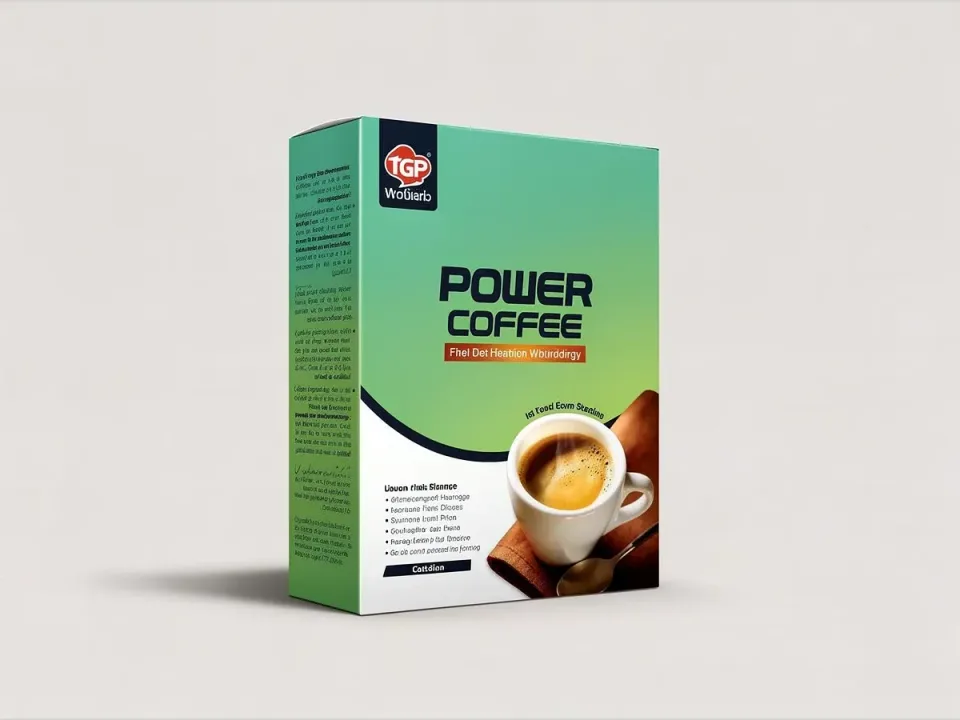
Custom coffee boxes are folding cartons sized for 12 oz bags, gift flights, and subscription shipments, starting at 50–250 units with full-color print. Common formats:
- Single-bag carton — retail shelf and counter sales, usually 12 oz
- Three- or four-bag flight — gifting and holiday programs, the highest-margin SKU most cafes run
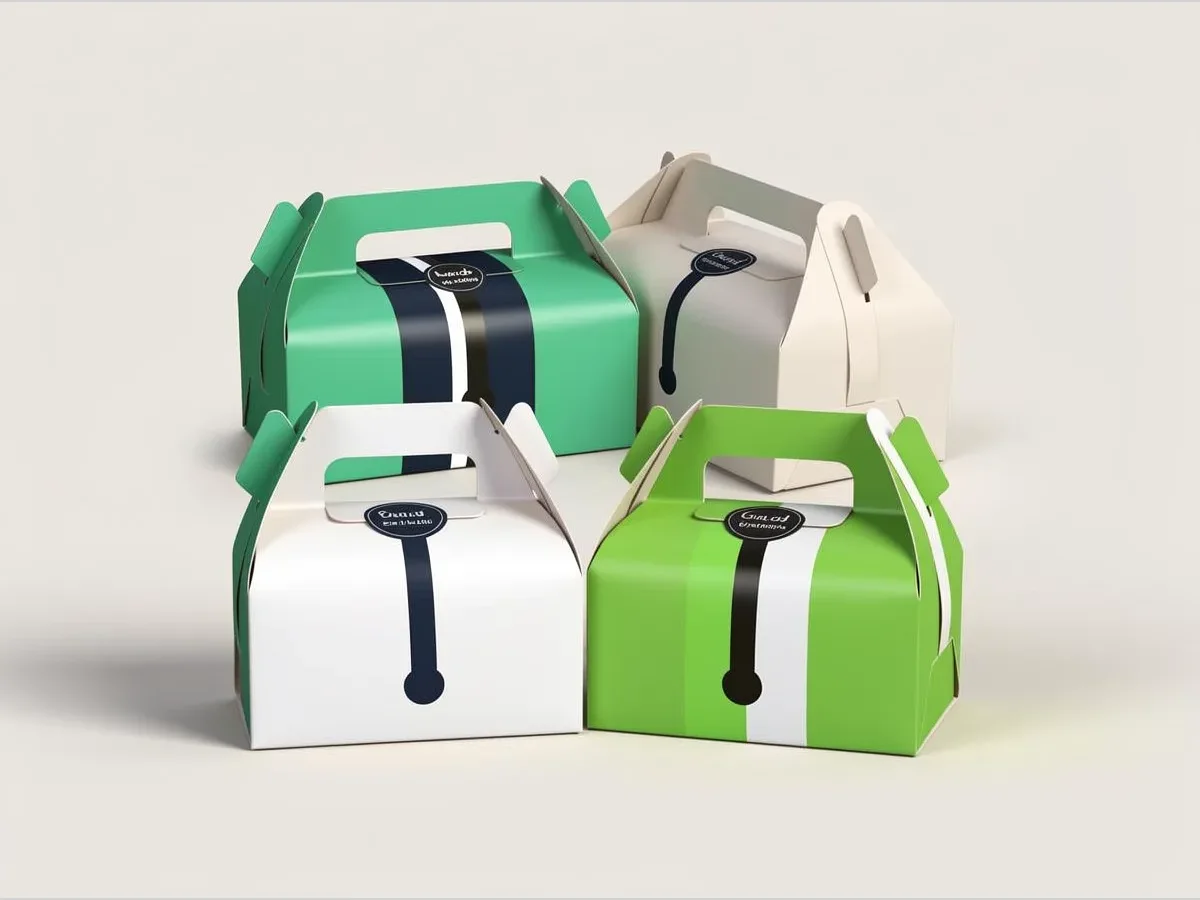
- Subscription mailer — a printed mailer box sized so bags do not shift in transit
- Kraft bags with labels — the lowest-cost entry point for counter sales
If you ship beans, size the outer box tightly. Coffee bags are light but bulky, and an oversized shipper puts you in a higher dimensional weight bracket for no protective benefit. Run the numbers through the DIM weight calculator before you settle on a box.
Label requirements for packaged coffee
Coffee poured to order is a foodservice item with minimal labeling obligations. Coffee sold packaged is a food product, and the label carries real requirements: a statement of identity, an accurate net weight declaration, ingredient information where anything is added, and the name and place of business of the manufacturer, packer, or distributor.
Beyond the legal minimum, specialty buyers expect roast date, origin or blend composition, and process method. Leaving these off signals a commodity product to exactly the customers willing to pay a premium. Design the label panel with space for a roast date stamp — printing a fixed date locks you into single-batch runs, so most roasters print everything except the date and stamp or sticker it at packing.
Sustainability claims deserve the same care. “Compostable” on a coffee bag is only true where facilities accept it, and valve-fitted bags are frequently not curbside recyclable regardless of the paper exterior. Our sustainable packaging hub covers claim wording that stands up.
Keeping the brand system consistent
The most common coffee branding failure is not bad design — it is drift. A shop prints sleeves in year one, cold cups in year two from a different supplier, and retail cartons in year three from a third. Three greens, three logo lockups, and none of it reads as one brand.
Two things prevent it. Lock brand colors to Pantone references, not screen values, because the same file prints differently on kraft, white SBS, and PET film. And keep one logo lockup that works in a single color at small scale, since sleeves, straw sleeves, and stamps rarely justify full-color print.
Cheap consistency tools that work at any volume: a custom rubber stamp for kraft bags and carriers, and custom stickers and labels for seasonal messaging on otherwise plain packaging. Both let you keep base inventory neutral while the campaign layer changes.
Rollout plan for a new shop
- Month 1 — stock cups and lids on one rim family, printed sleeves, stamped or stickered carriers and pastry bags.
- Month 3 — printed pastry bags; branded cold cups or sealing film if iced and boba volume is high.
- Month 6 — retail bean cartons for counter and online sales; this is usually the first packaging investment that pays for itself directly.
- Month 9–12 — direct-printed hot cups on your top one or two sizes, once weekly volume supports the minimum without dead stock.
Ready to price your program? Get a free quote with your weekly cup volume and sizes — a specialist responds within two hours with tier pricing across sleeves, cups, and retail cartons.